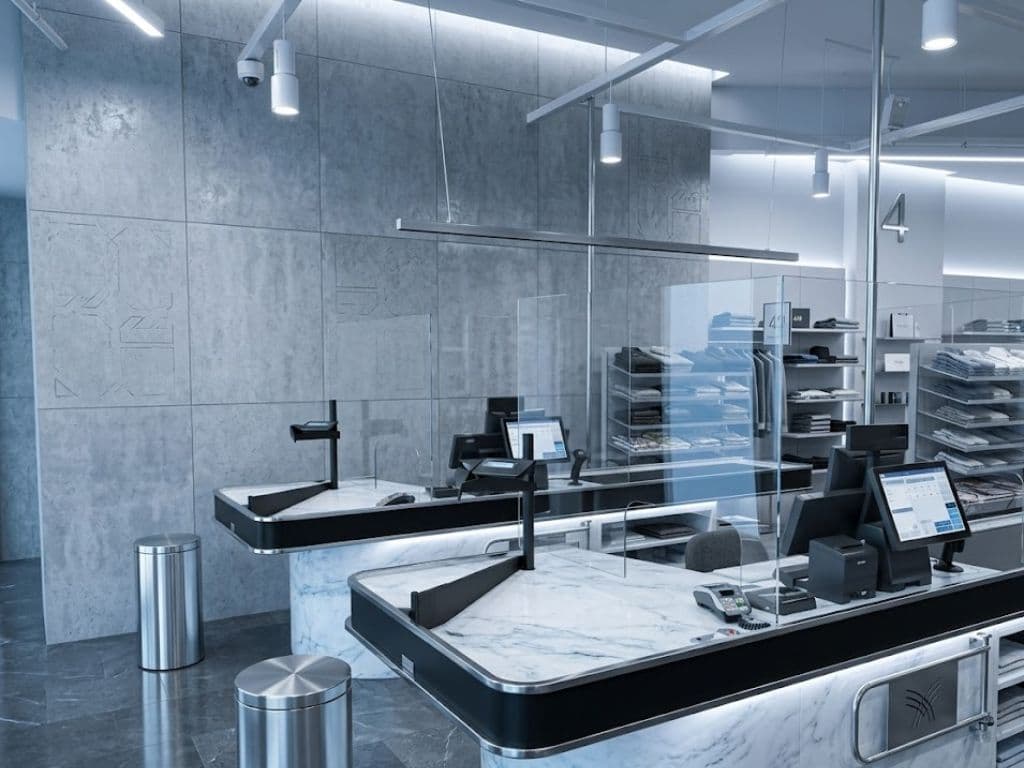
Kiosk Fit-Out & Mall Kiosk Design in Dubai

  • Turnkey Commercial Interiors Since 1996
  • DM Approved · DEWA Certified
  • Mall RMU & Overnight Install Experience
  • In-House Joinery Factory

Mall kiosks, RMUs, food and coffee carts, pop-ups and exhibition stands — designed to your centre’s guidelines, built in our own Dubai factory and installed overnight.

One Turnkey Team from Concept to Trading DateMall RMU Guidelines & Design Review Handled In-HouseUnits Prefabricated in Our Own Dubai Joinery FactoryOvernight Installation Inside the Mall’s Access WindowItemised Scope with Documented VariationsAED 5 Million Insurance Coverage

Featured Kiosk and Mall Unit Projects in Dubai

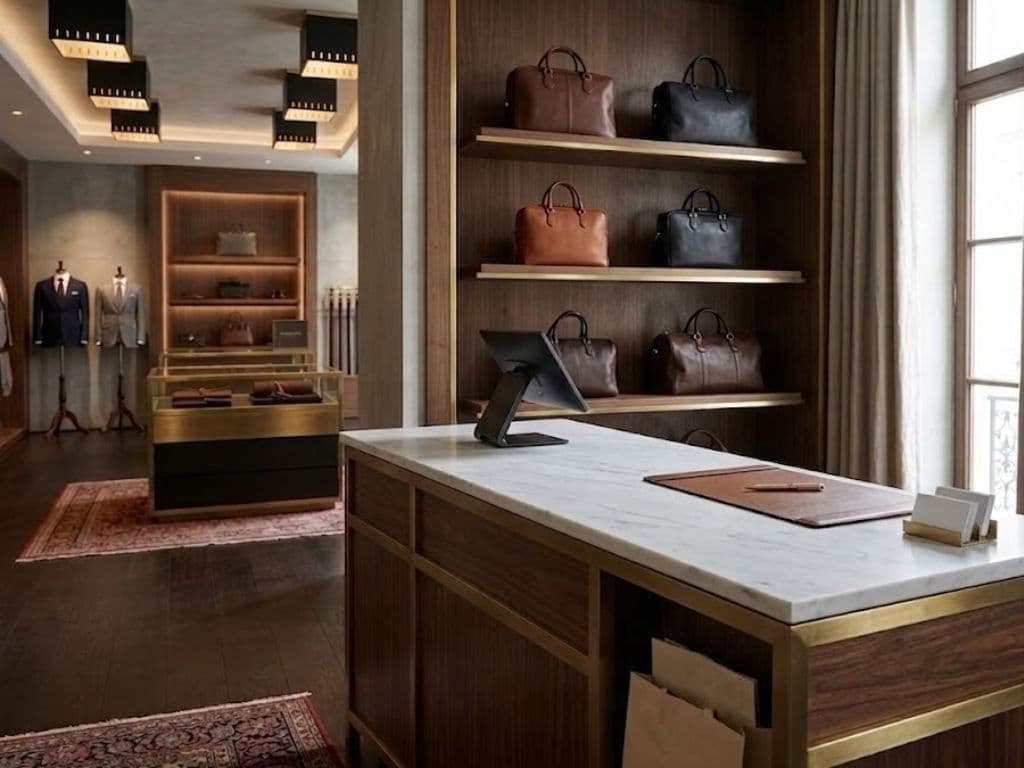
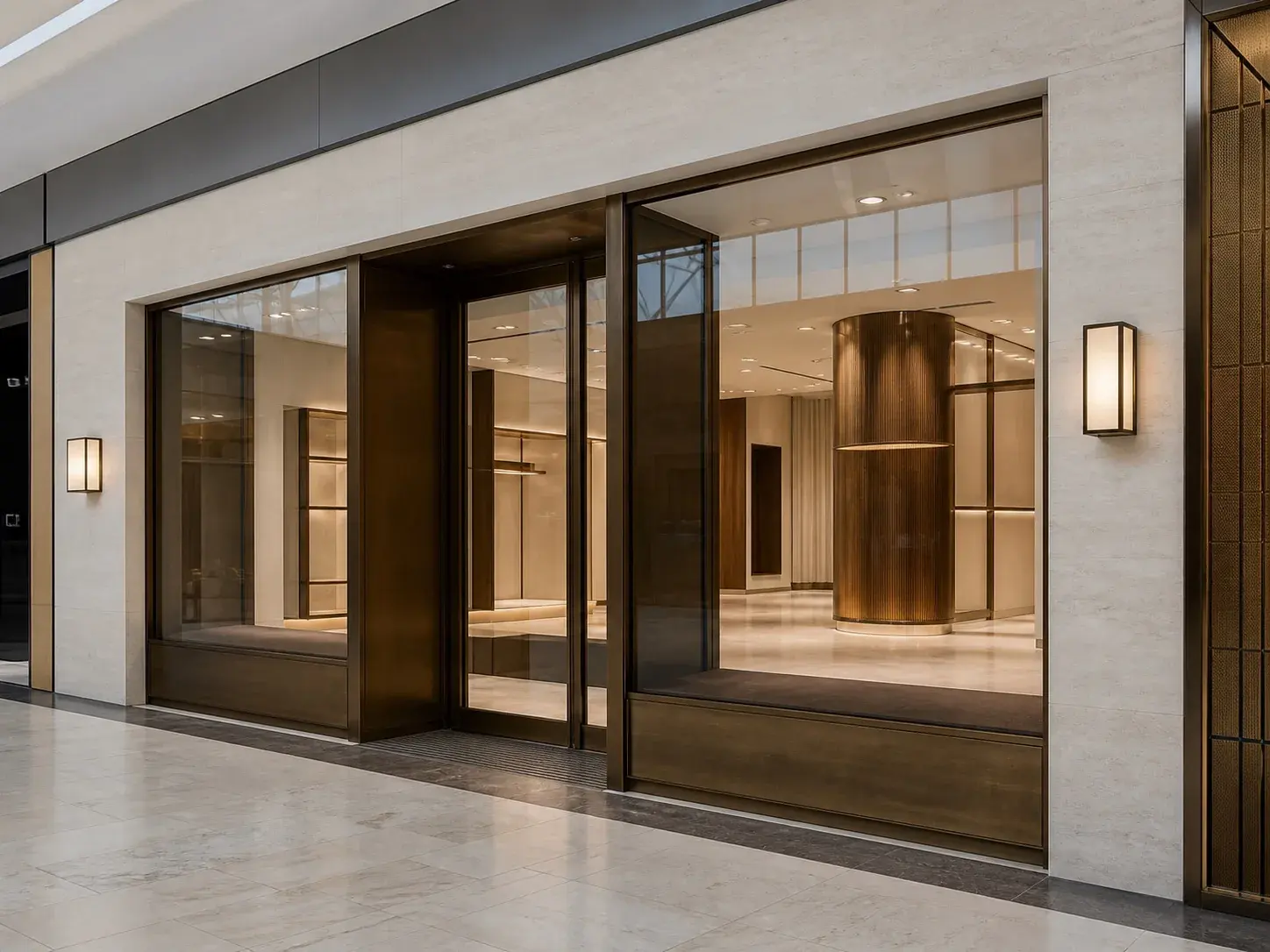
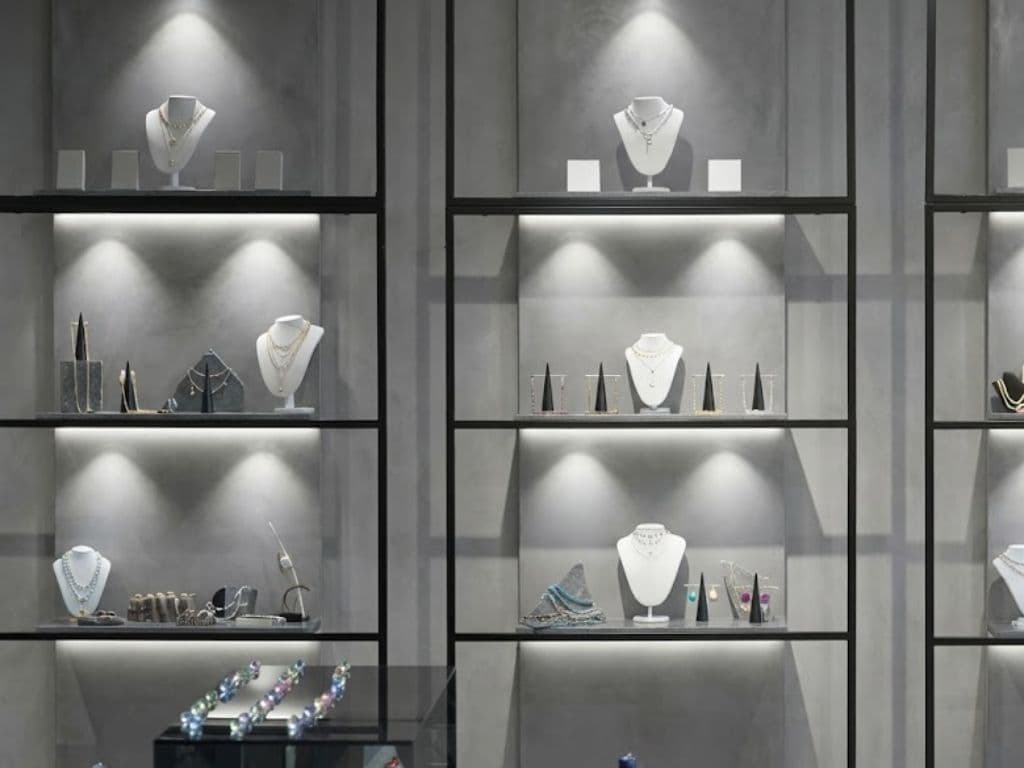
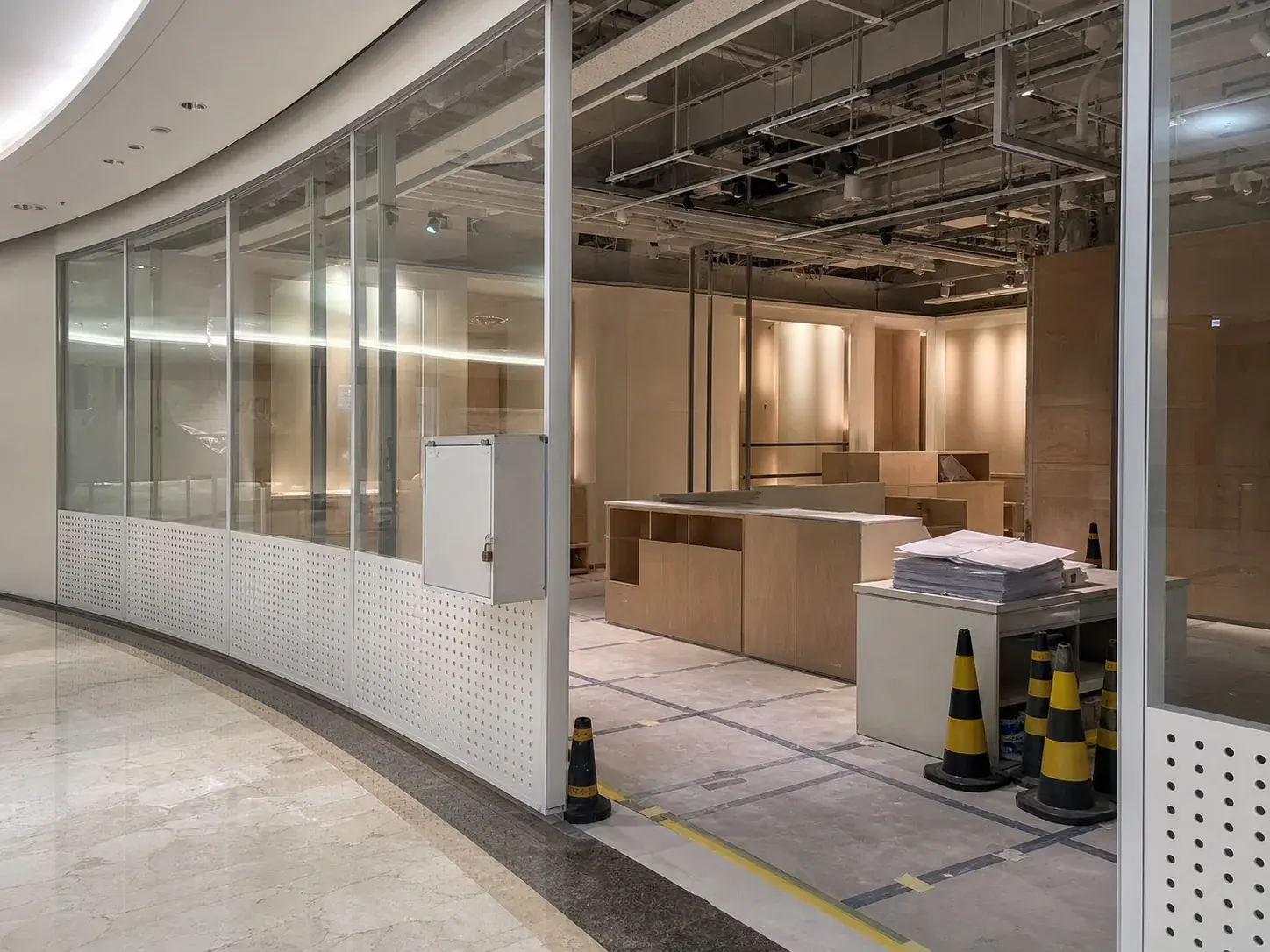
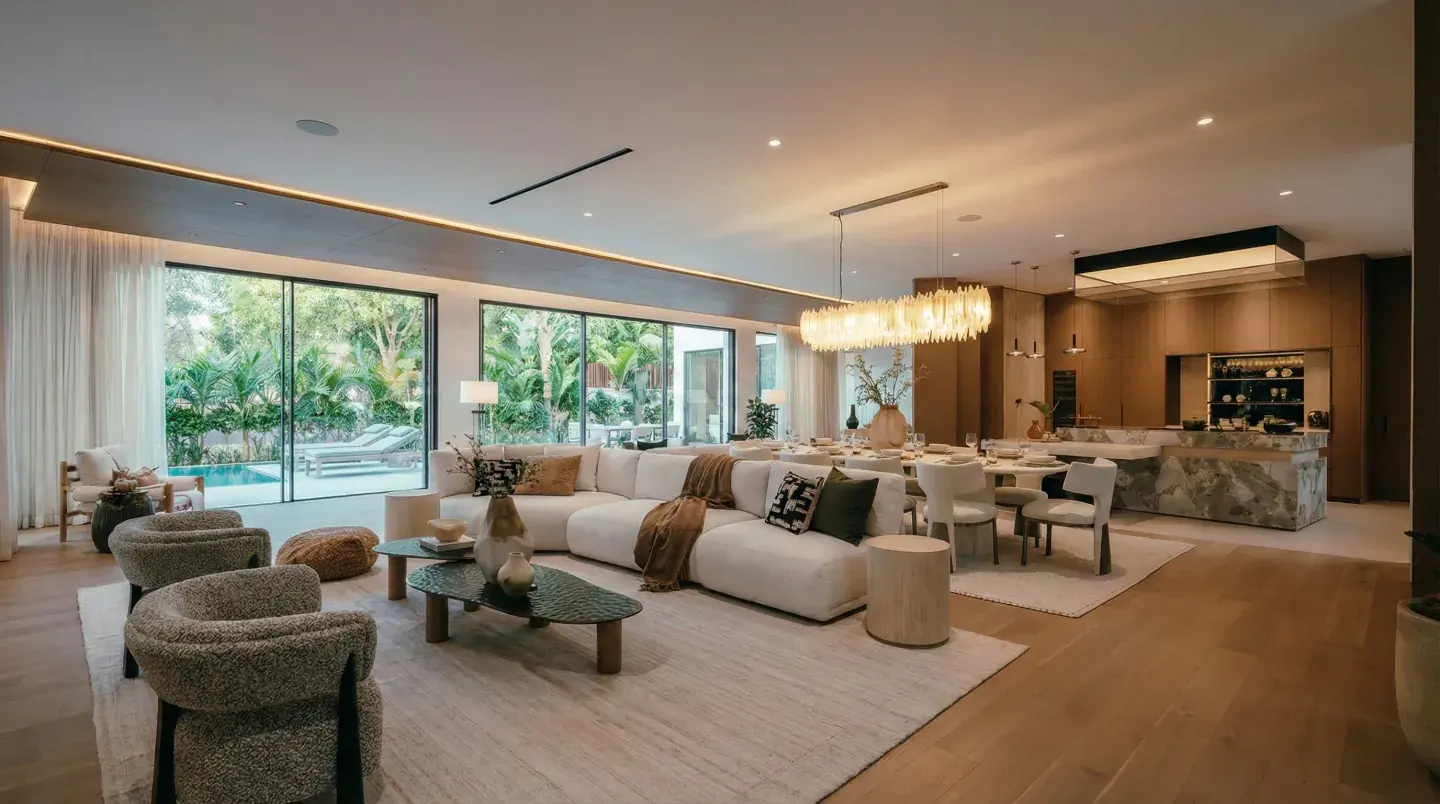
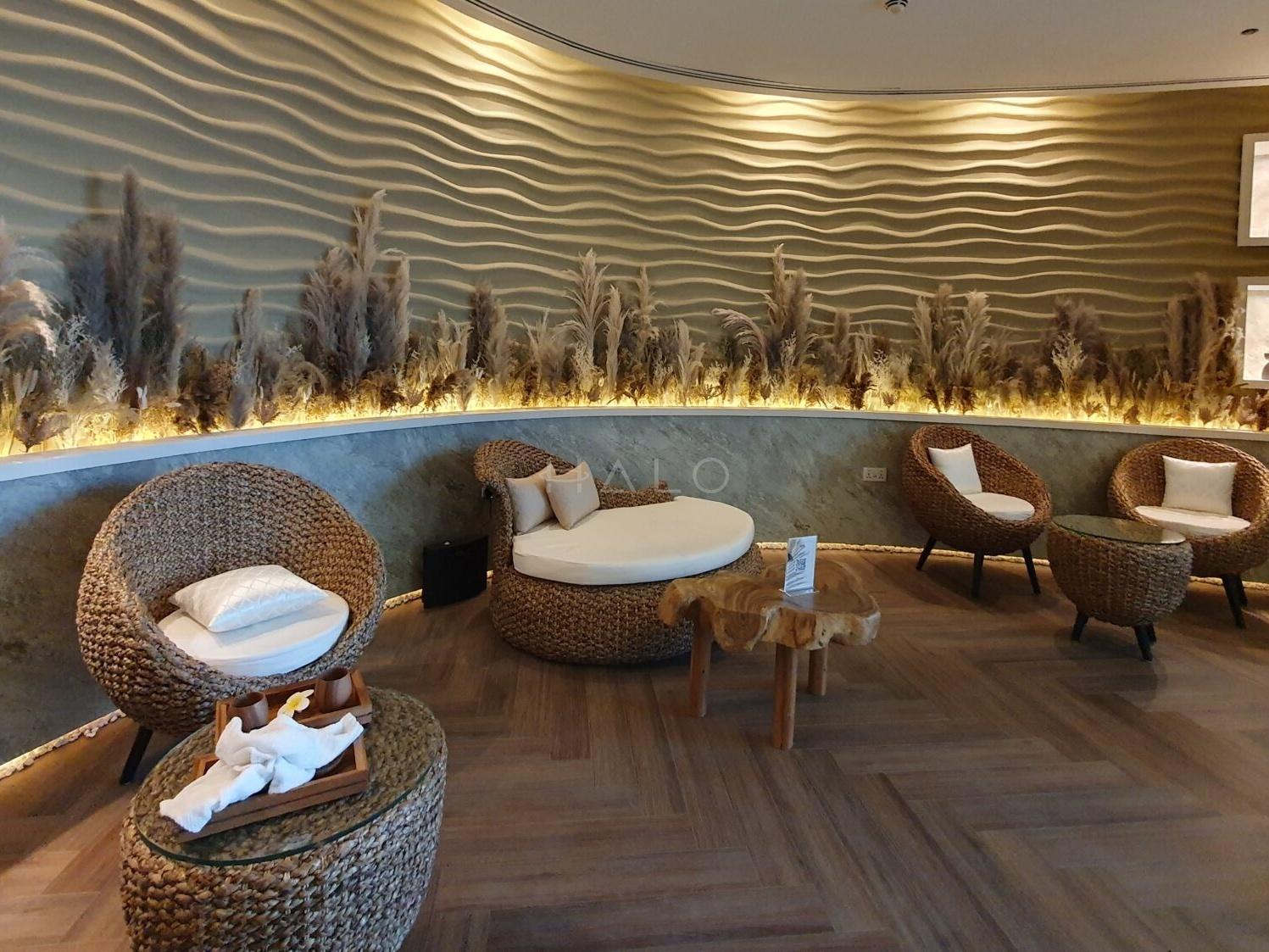
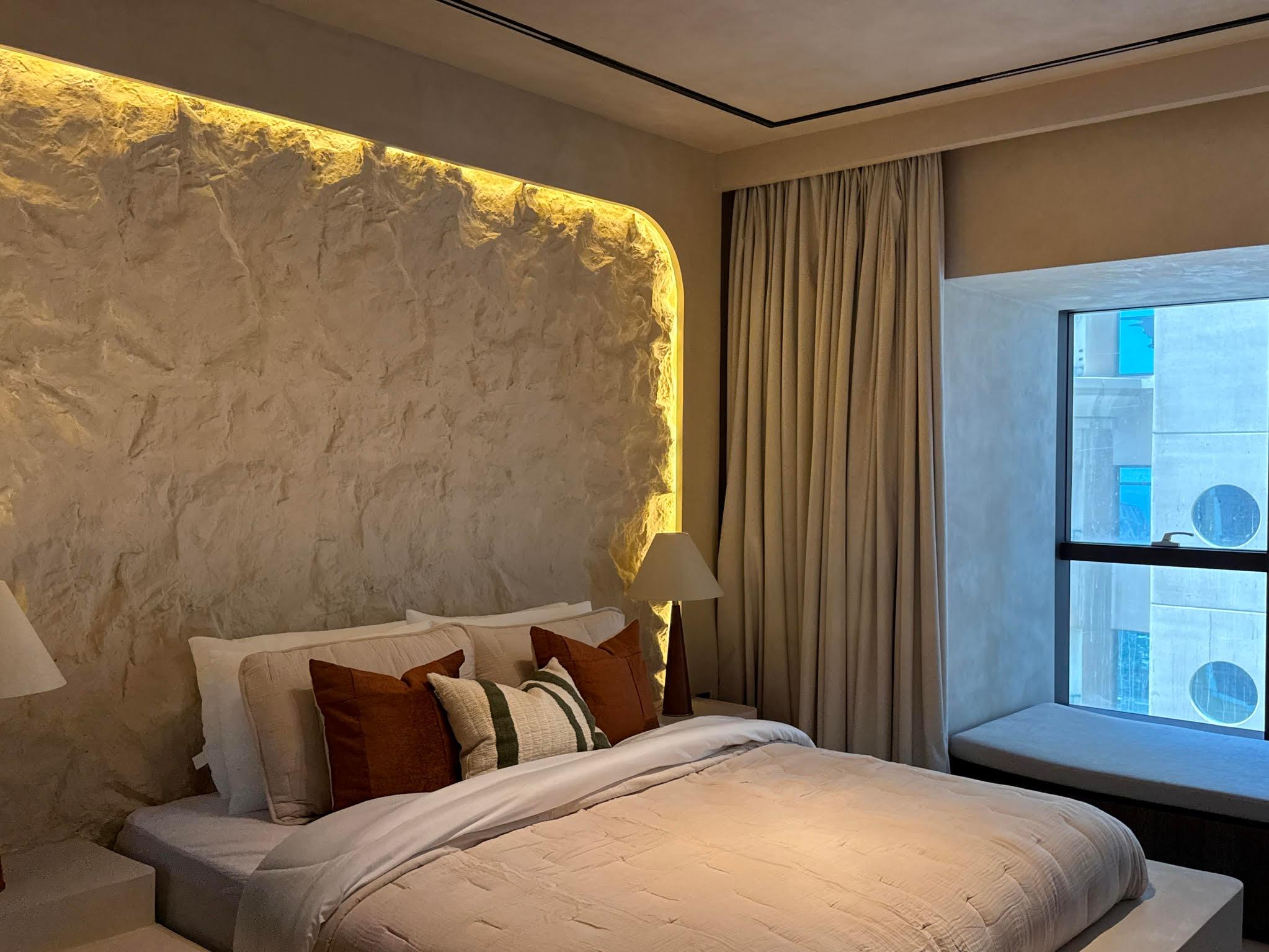
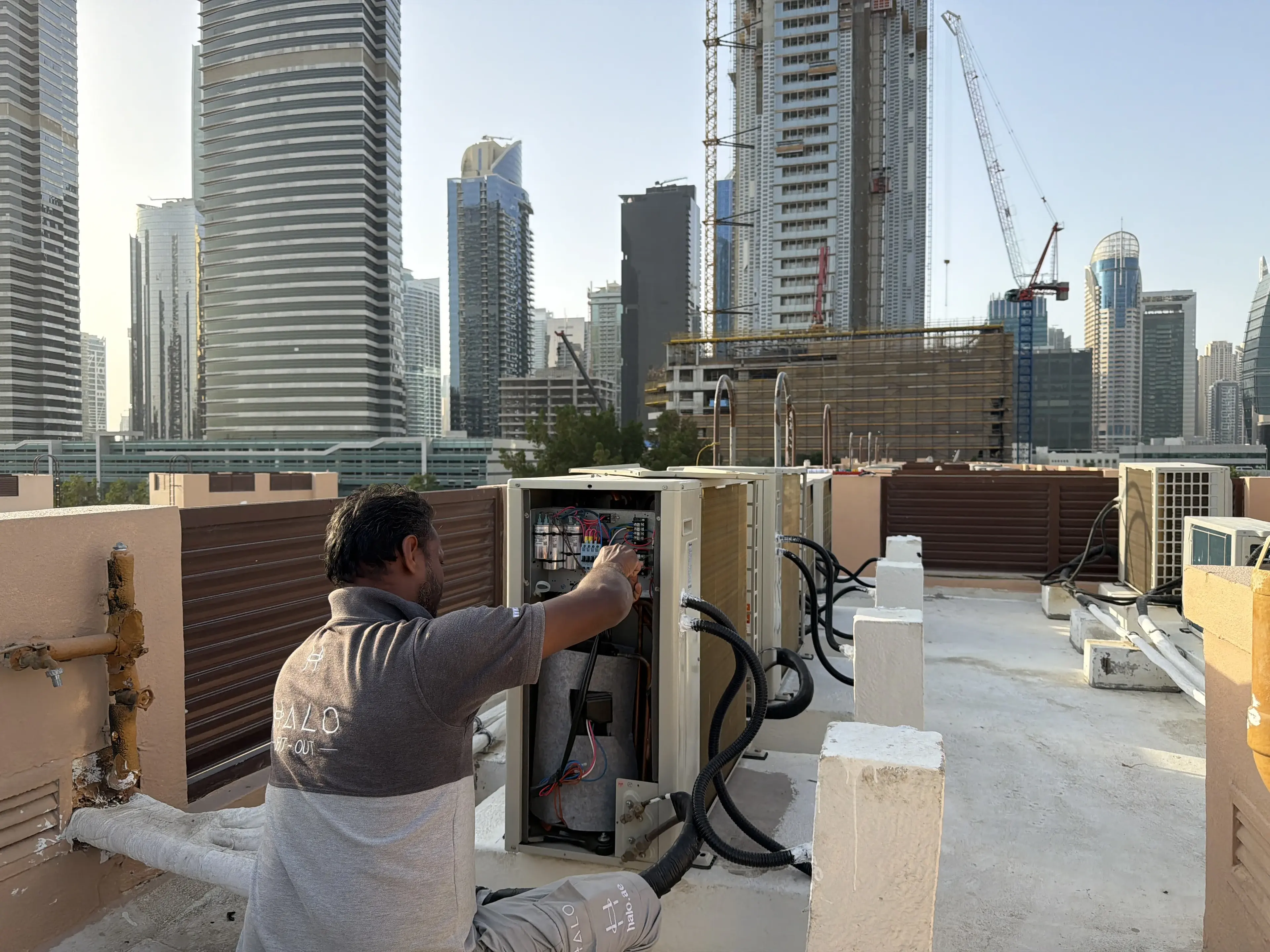
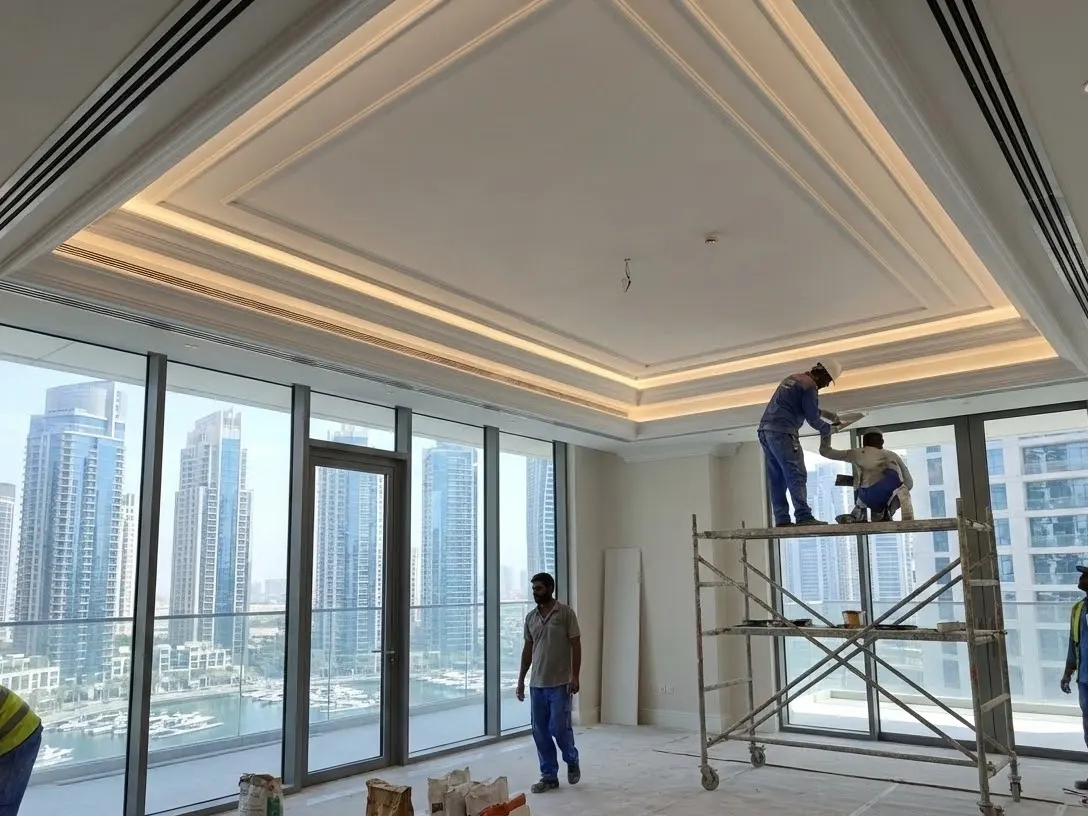
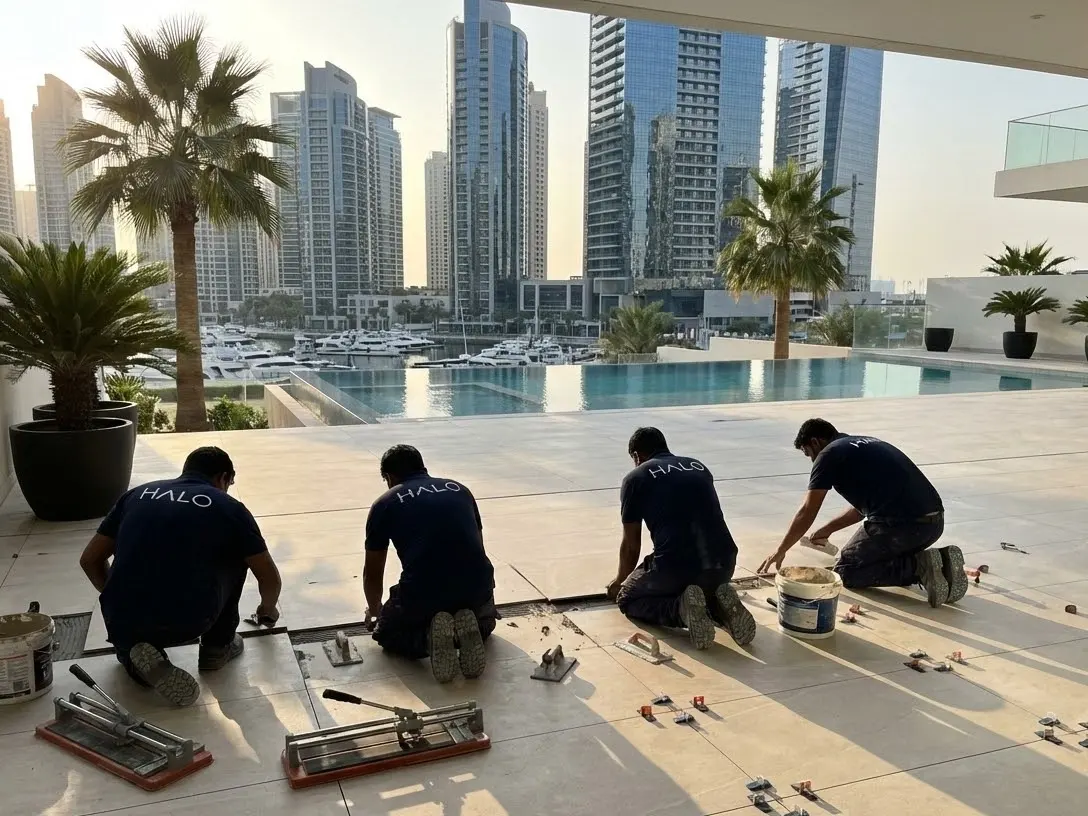
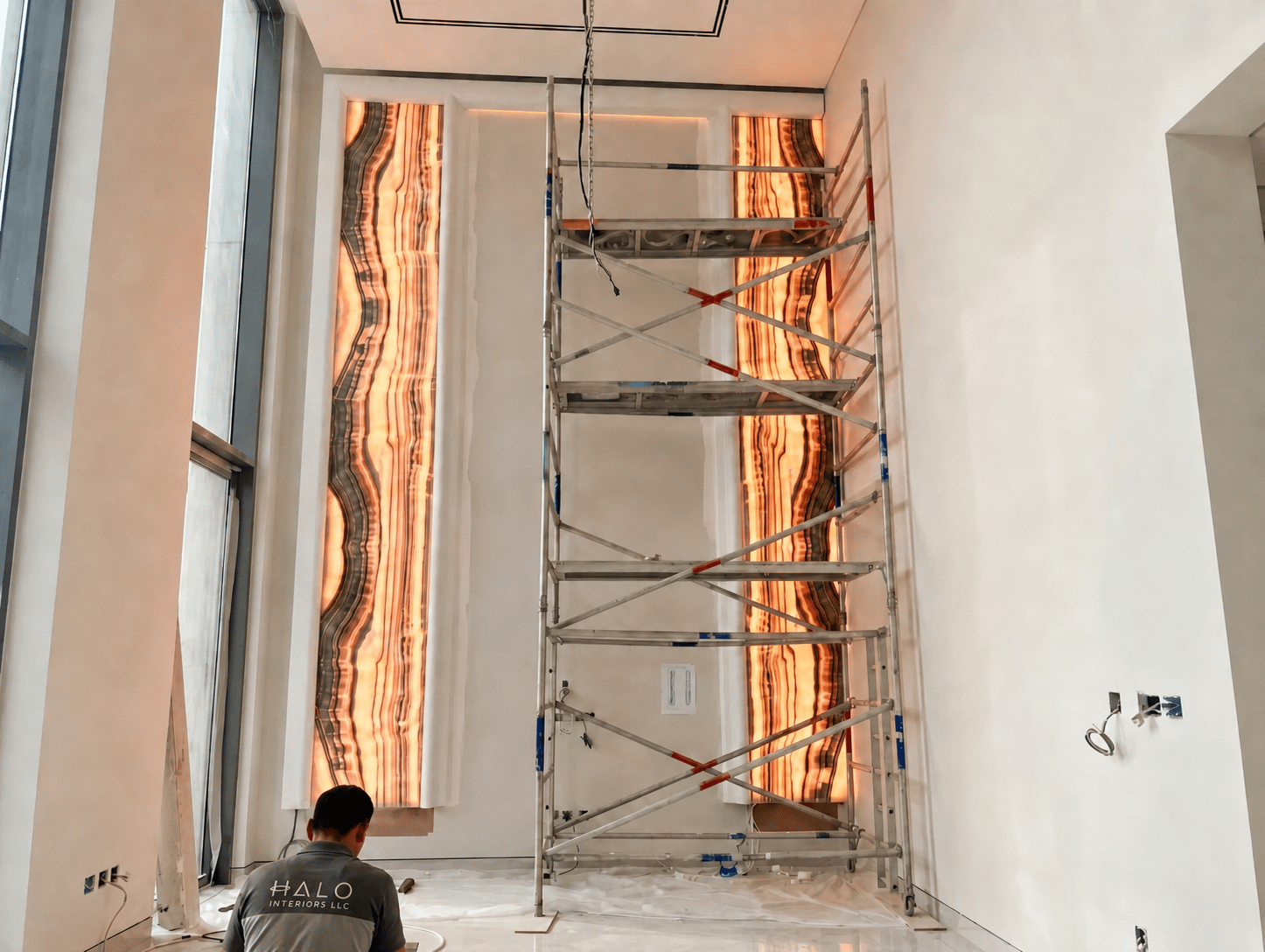
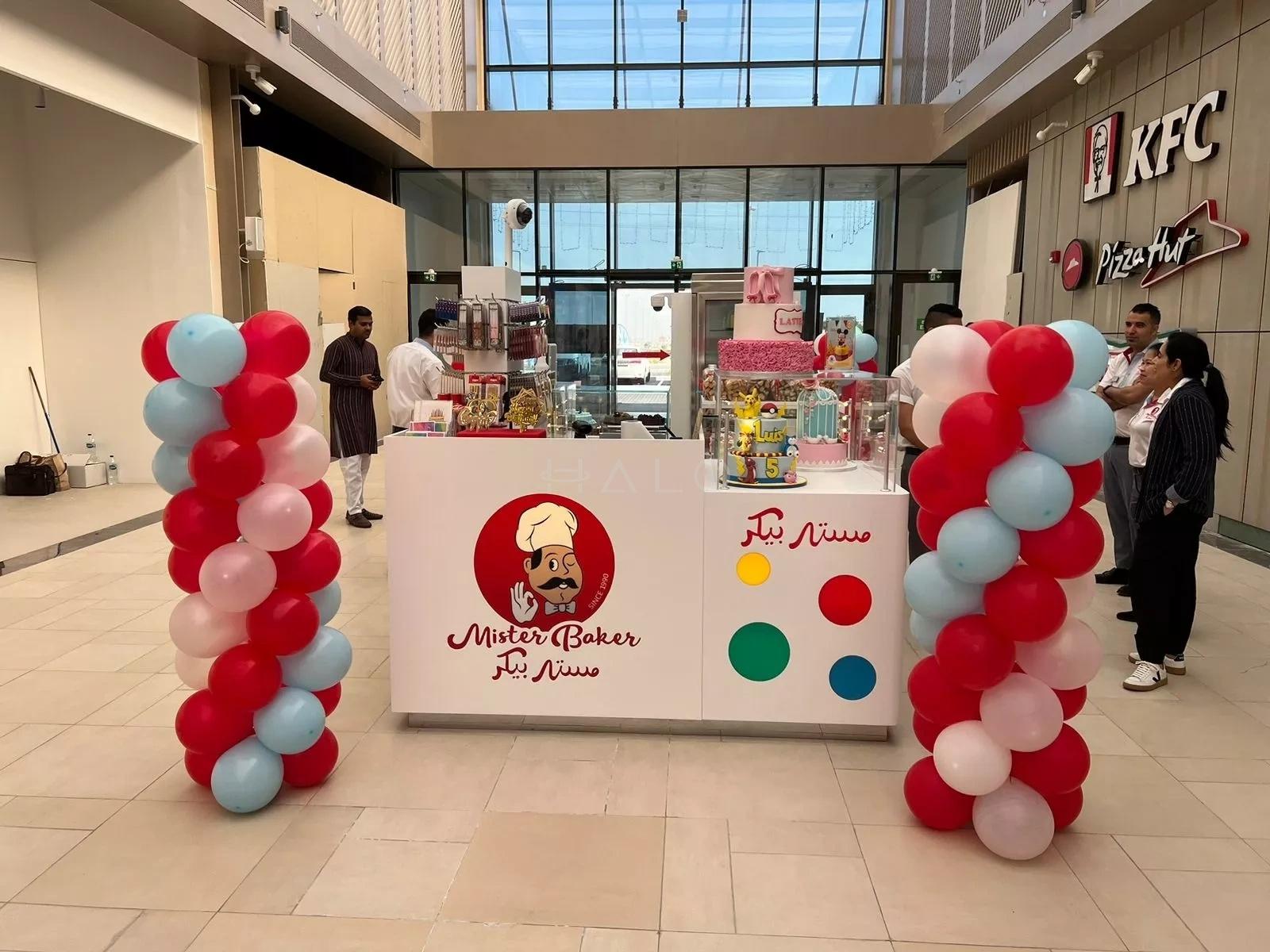
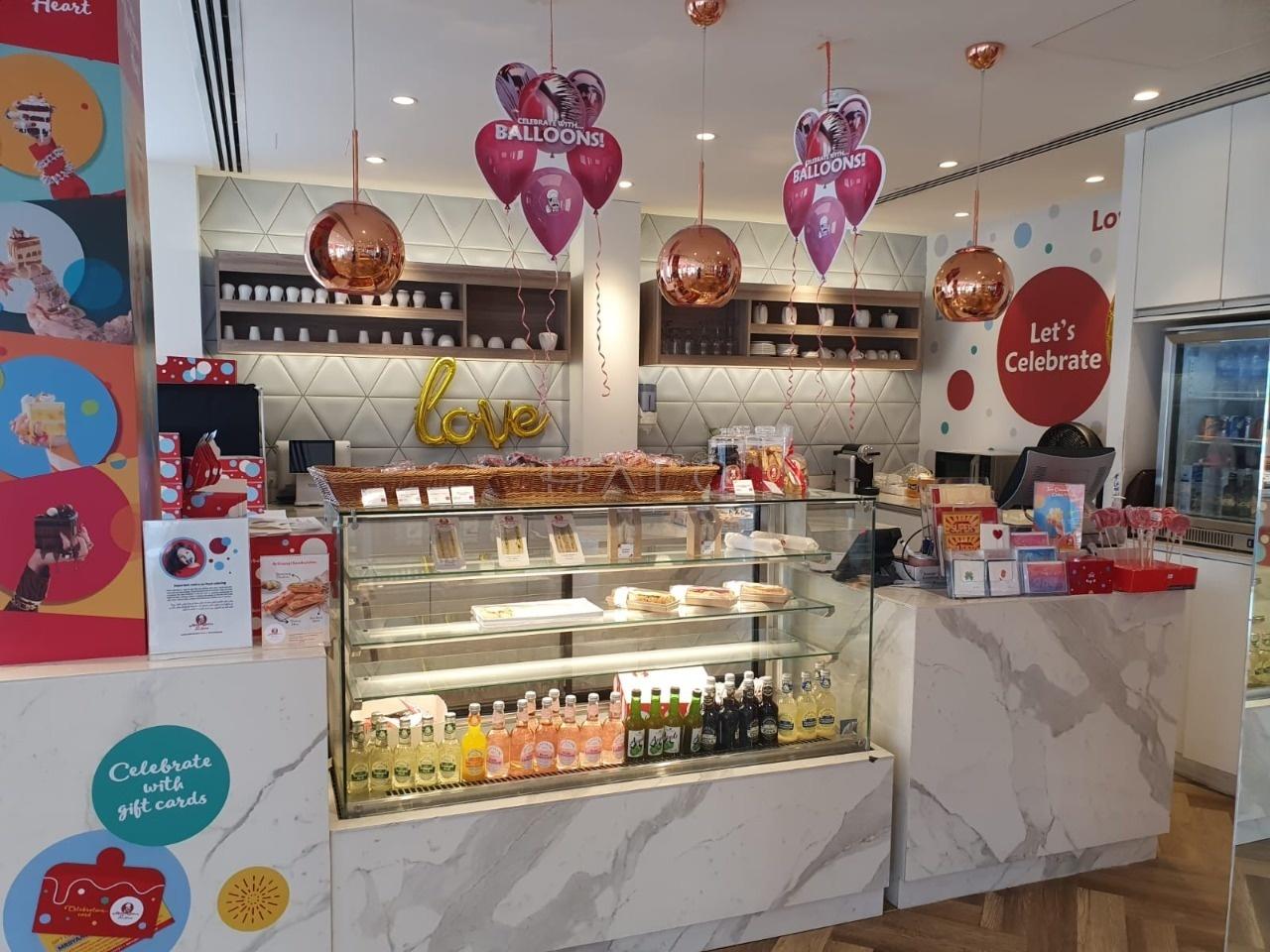
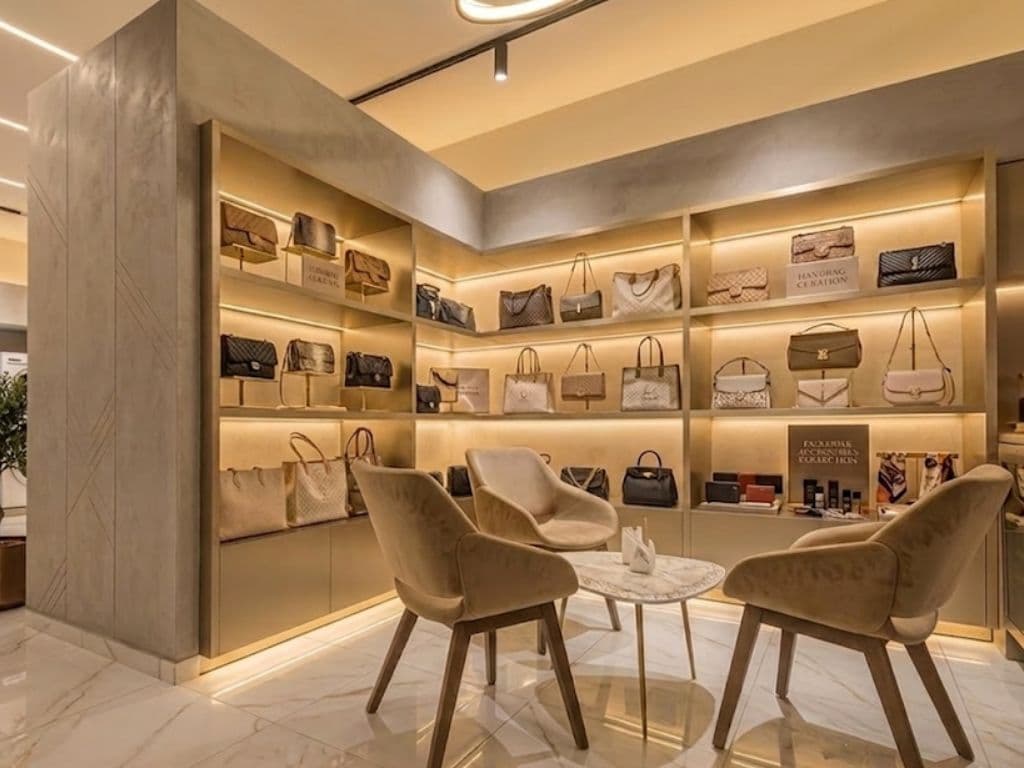
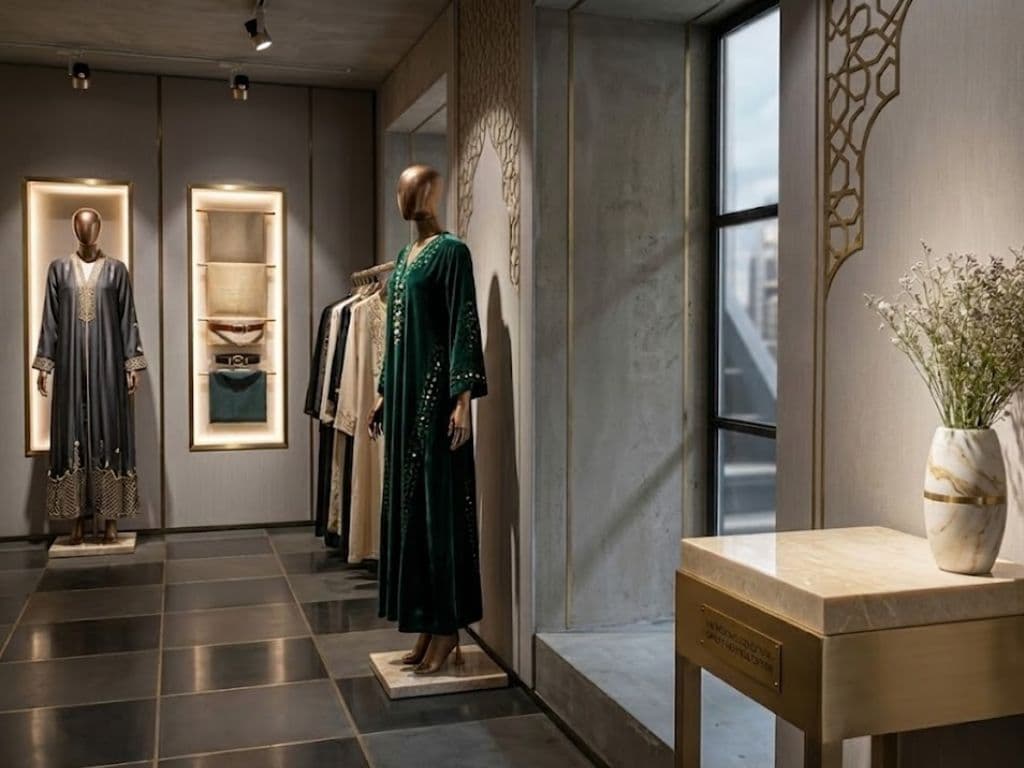
The portfolio above shows completed Halo kiosk and retail display work. Brand names, mall locations, pitch references and trading dates are not published without written permission, so the project notes below describe the problems each unit type resolves rather than inventing operators or outcomes.

01

An Empty Pitch and a Fixed Licence Date

Challenge: A licensed concourse pitch already charging rent, with a centre design review still to pass. Halo approach: Read the mall’s RMU guidelines first, draw the unit inside them from the start, and run fabrication against the approved design so the only site activity left is a single overnight installation.


02

An F&B Kiosk With No Water Connection

Challenge: A coffee and dessert format on a pitch offering power and data but no plumbing. Halo approach: Size a tanked potable supply and grey-water storage around the expected service volume, plan the hand-wash and waste positions before the joinery, and design the chiller ventilation so heat is rejected away from the serving side.

03

One Unit Repeated Across Several Centres

Challenge: A brand standard that has to survive four different malls with four different guideline documents. Halo approach: Document the prototype as a specification and drawing set, produce every unit in the same factory, and adjust only the dimensions each centre requires rather than redesigning the concept per site.

Turnkey Kiosk Fit-Out Services in Dubai

Halo works as a single kiosk manufacturer and fit-out contractor across design, mall submission, fabrication, signage, services and installation. Take the full turnkey package or the specific scope your unit needs — every service is delivered against the same drawings, the same programme and one project manager.

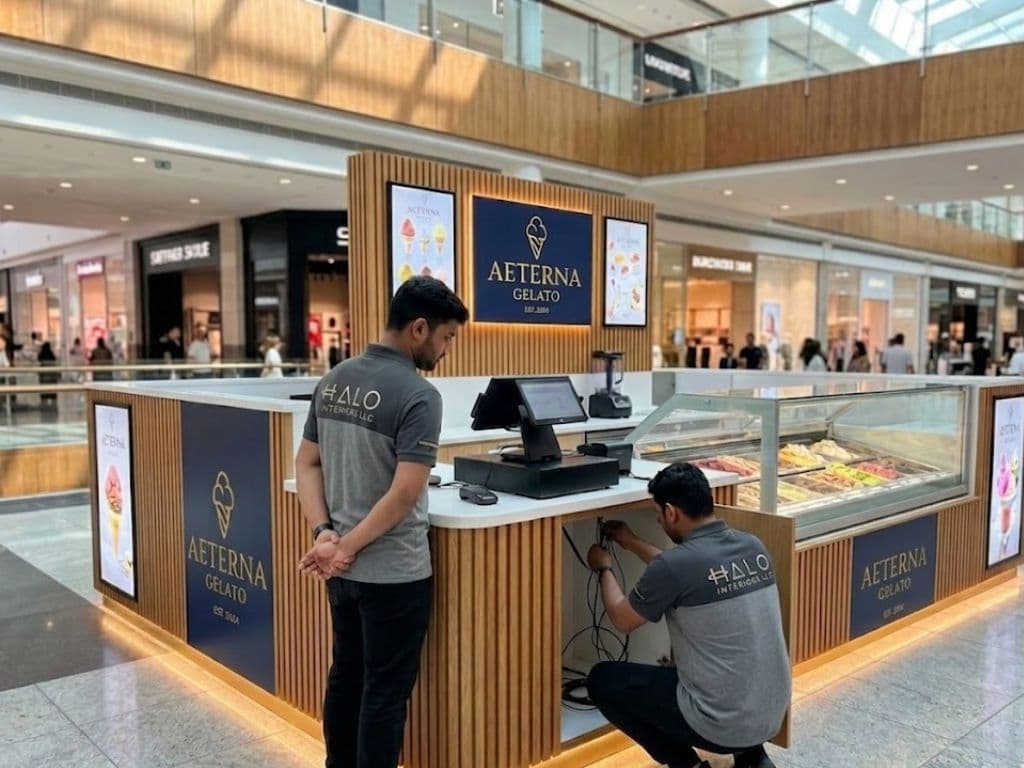
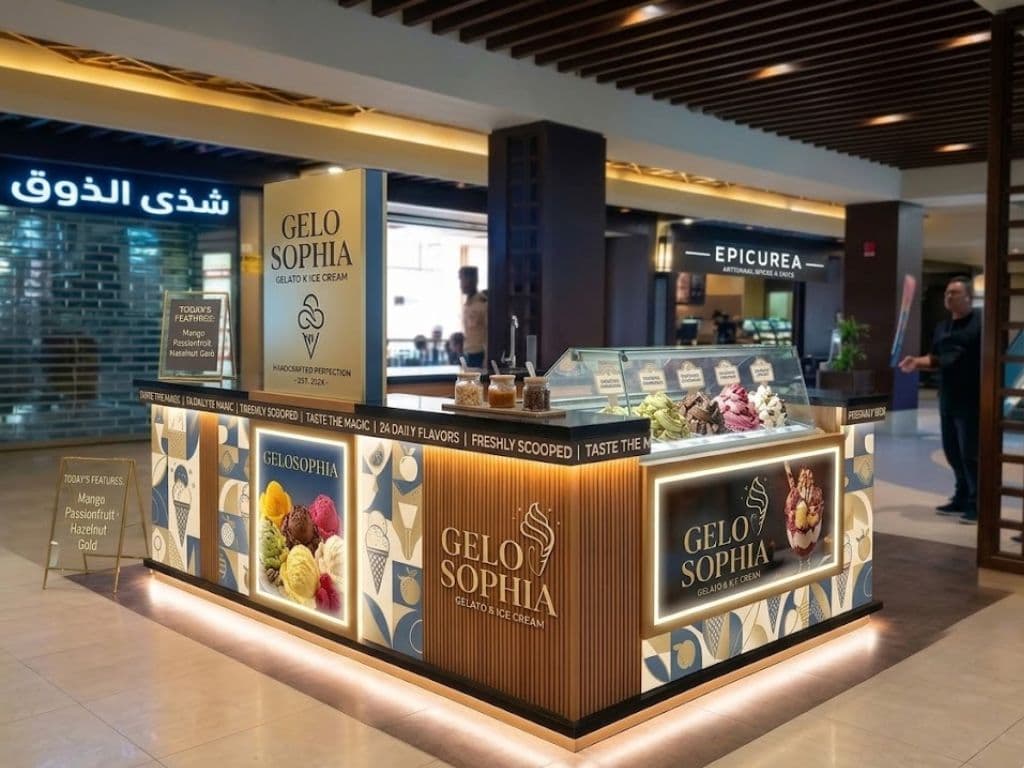
Halo technician commissioning the POS on a completed gelato kiosk in a Dubai shopping mall concourse

Mall Kiosks and Retail Merchandising Units (RMUs)

The core of this service: a freestanding unit built for a mall’s common area. Halo plans the pitch in the round — body height against the centre’s sightline rule, counter line, the serving side, staff position, secure overnight closure and where the stock actually lives — then builds it as bolted modules that pass through the service lift. A retail merchandising unit is licensed on a pitch you do not own, so nothing fixes into the landlord’s floor and every service reaches the mall’s own floor box.

  • Footprint, height and sightlines set by the centre’s RMU guidelines
  • Freestanding, levelled and ballasted — no fixing into mall finishes
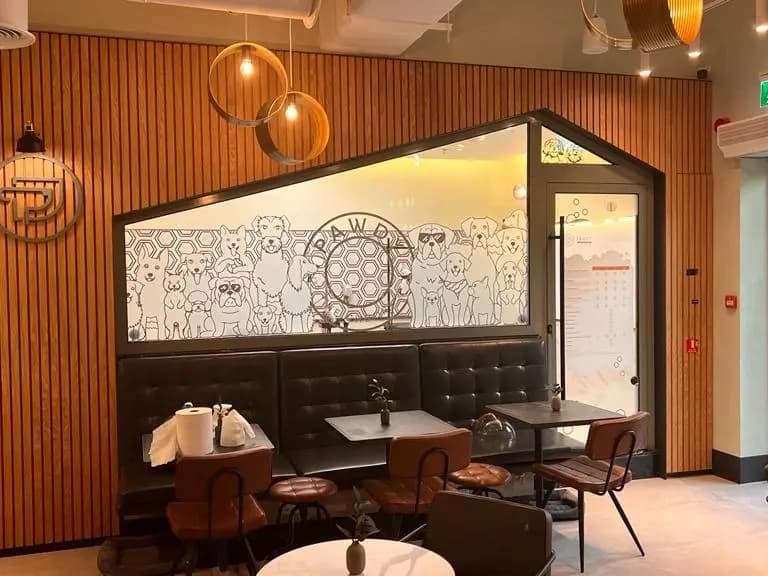
Compact timber-clad food and beverage unit with branded glazed screen and integrated seating in Dubai

Food, Coffee and Dessert Kiosks and Carts

An F&B kiosk is a food premises on a shopping mall floor, and water is the constraint that decides the layout. Halo plans the unit around the hand-wash basin, the potable supply and the waste route — a mall connection where one exists, tanked supply and grey-water storage where it does not — then works outwards to the chillers, the ice bank, the espresso machine and the service counter. Heat rejection from refrigeration and any cooking or extraction is confirmed with the centre before the joinery is drawn around the equipment.

  • Hand-wash, potable water and waste resolved before the layout is fixed
  • Chillers, ice, refrigeration heat rejection and equipment cut-outs coordinated
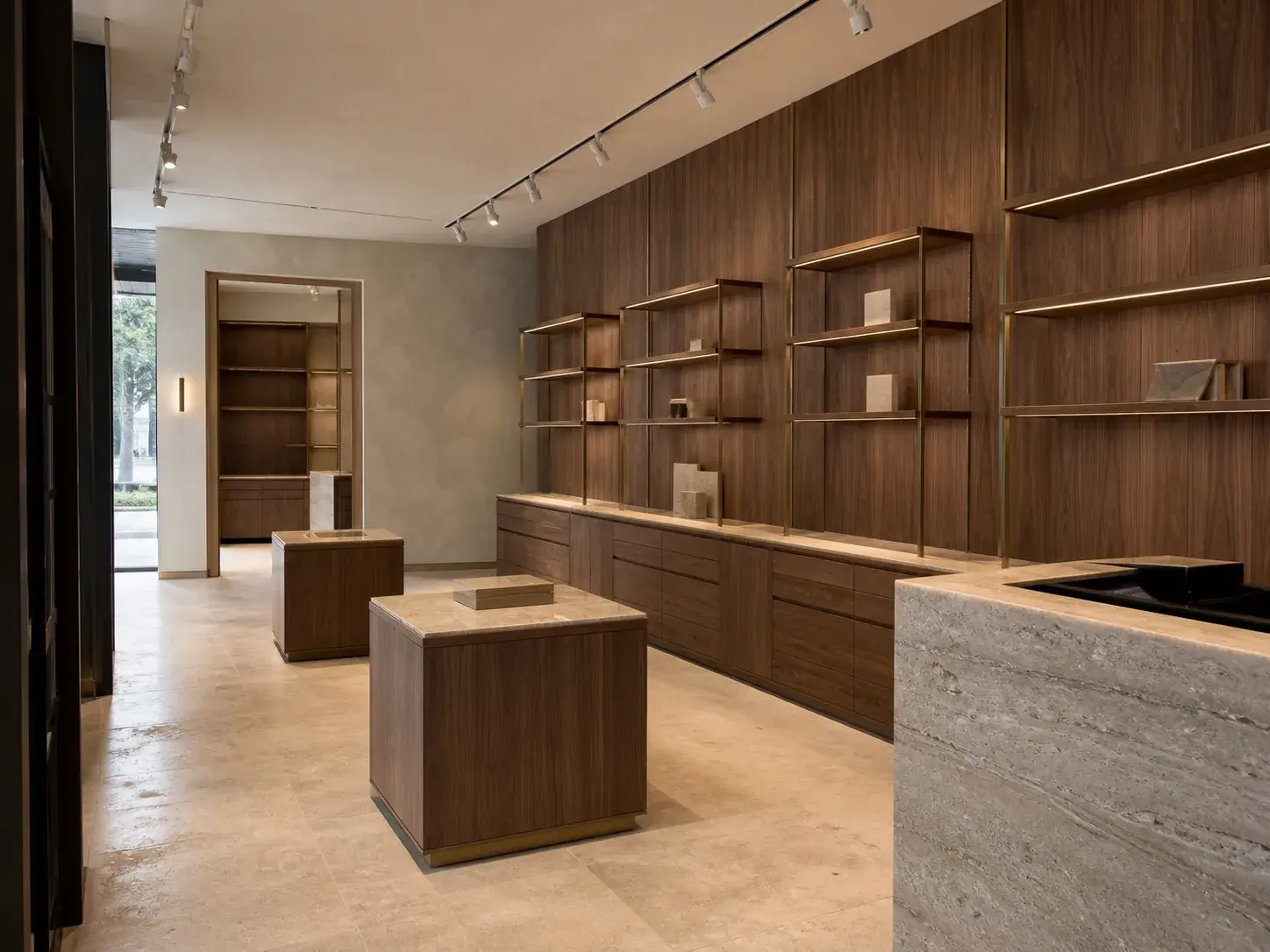
Bespoke walnut display bays, plinths and a stone-topped counter produced in Halo’s Dubai joinery factory

Kiosk Fabrication and In-House Joinery

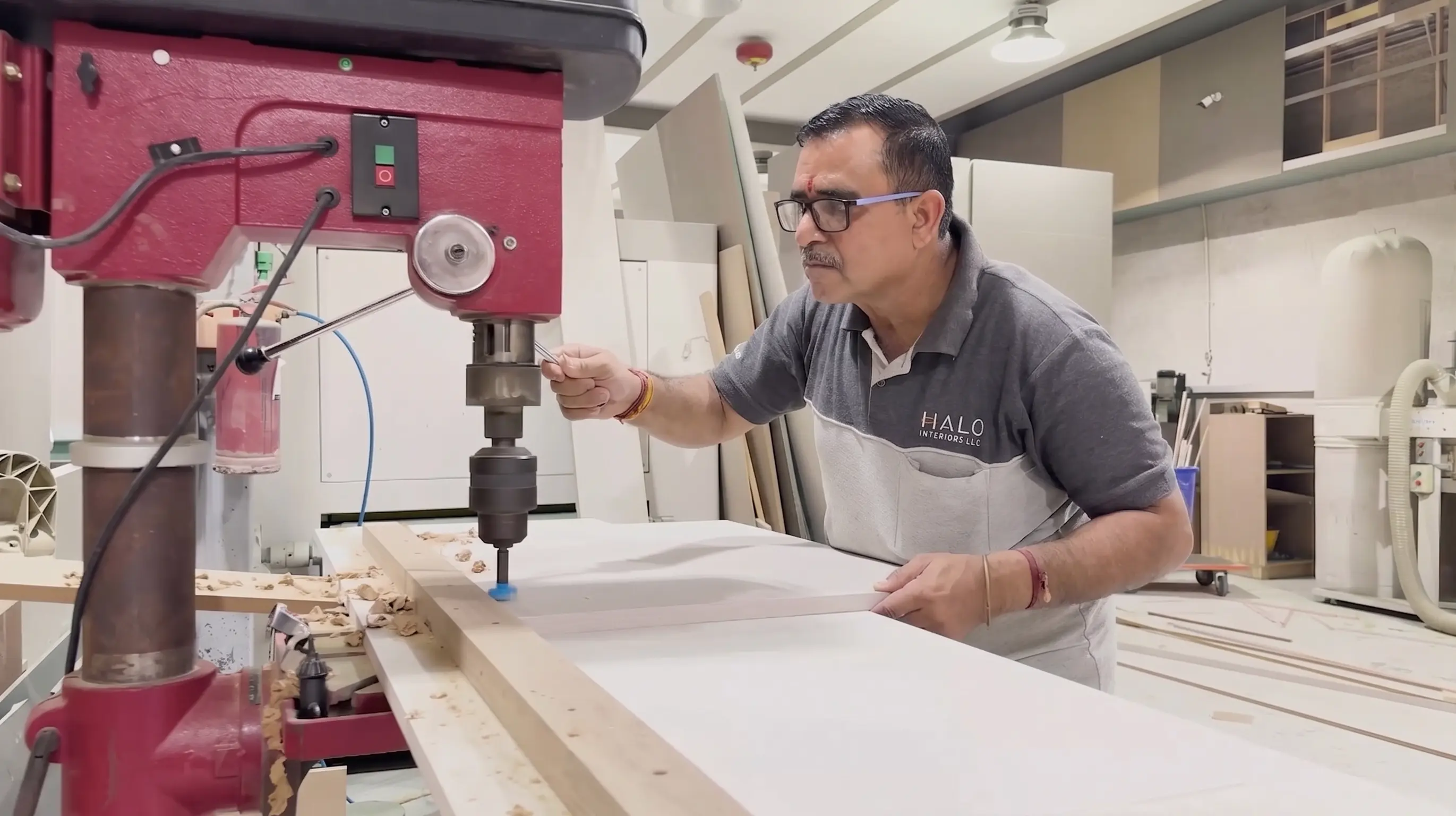
A kiosk is a piece of furniture, not a room, and it is judged from an arm’s length away. Halo’s own Dubai joinery factory produces the carcass, counters, shelving, doors, canopies and signage towers in solid surface, laminate, veneer, lacquer, powder-coated steel or stainless. The unit is dry-assembled and checked in the workshop — levelling, door swings, drawer runners, service routes and finish consistency — before it is broken down into transportable modules. There is no second attempt inside an overnight window.

  • Solid surface, veneer, lacquer, laminate, steel and stainless fabrication
  • Full workshop dry-assembly before the unit is broken down for delivery
Stone-topped retail cash counter with integrated POS terminal and a lit glazed display case in Dubai

Counters, Showcases and Secure Display

Cash counter design, glazed showcases and display towers are where a kiosk earns its pitch. Halo builds serving and cash counters at working height with the POS, printer and payment terminal designed in rather than placed on top; lockable glazed showcases for jewellery, watches, phones and perfume; refrigerated and ambient display for food; and tiered towers and hanging systems that increase facings without blocking the sightline the mall protects. Everything closes and locks at night.

  • Lockable glazed showcases, tiered towers and hanging display systems
  • Cash and serving counters with POS, printer and payment terminal integrated
Illuminated retail shopfront with bronze framing, glazing and built-up signage lettering in a Dubai mall

Branding, Signage and Illuminated Graphics

On a concourse you are competing with every shopfront on both sides, so the signage tower and the illuminated face do the work. Halo produces fascia and tower signage, built-up and face-lit lettering, backlit and edge-lit panels, light boxes, printed and vinyl-wrapped body graphics and changeable poster frames for seasonal campaigns. Signage is submitted with the unit, because most centres approve the sign type, the illuminated area and the overall height as part of the same design review.

  • Built-up letters, light boxes, backlit panels and printed body graphics
  • Signage height and illuminated area submitted with the unit for approval
Accent-lit display shelving with concealed strip lighting rendering jewellery against a pale plaster wall

Kiosk Lighting, Power, Data and POS

The mall gives you a floor box and everything else is yours to solve. Halo routes power and data from that single point through concealed containment inside the body — no trailing cable across a public floor — with an isolator, correctly rated circuits for refrigeration and coffee equipment, and USB and charging points where the format needs them. Lighting is planned as accent rather than flood: product at high colour rendering, an illuminated sign that reads at distance, and no glare into the faces of the people walking past.

  • Concealed containment from the mall floor box, isolator and rated circuits
  • Accent lighting at high colour rendering, POS, data and payment terminals
Temporary retail unit under construction in a Dubai mall, hoarded off with site protection during the fit-out window

Pop-Ups, Activations, Roadshows and Exhibition Stands

The same workshop, on somebody else’s clock. Halo builds mall atrium pop-ups and brand activations, roadshow and promotional stands that travel between centres, and custom exhibition stands for Dubai World Trade Centre, Expo City, ADNEC and hotel show floors. Space-only stands are designed against the organiser’s technical manual — height limits, platform edges, rigging points and the structural calculations a raised or double-deck build requires — then built, transported, erected inside the build-up period and dismantled in the breakdown window. Reusable elements can be stored between shows.

  • Shell-scheme upgrades and custom space-only stands built to the technical manual
  • Build-up, breakdown, transport, storage and reuse between shows
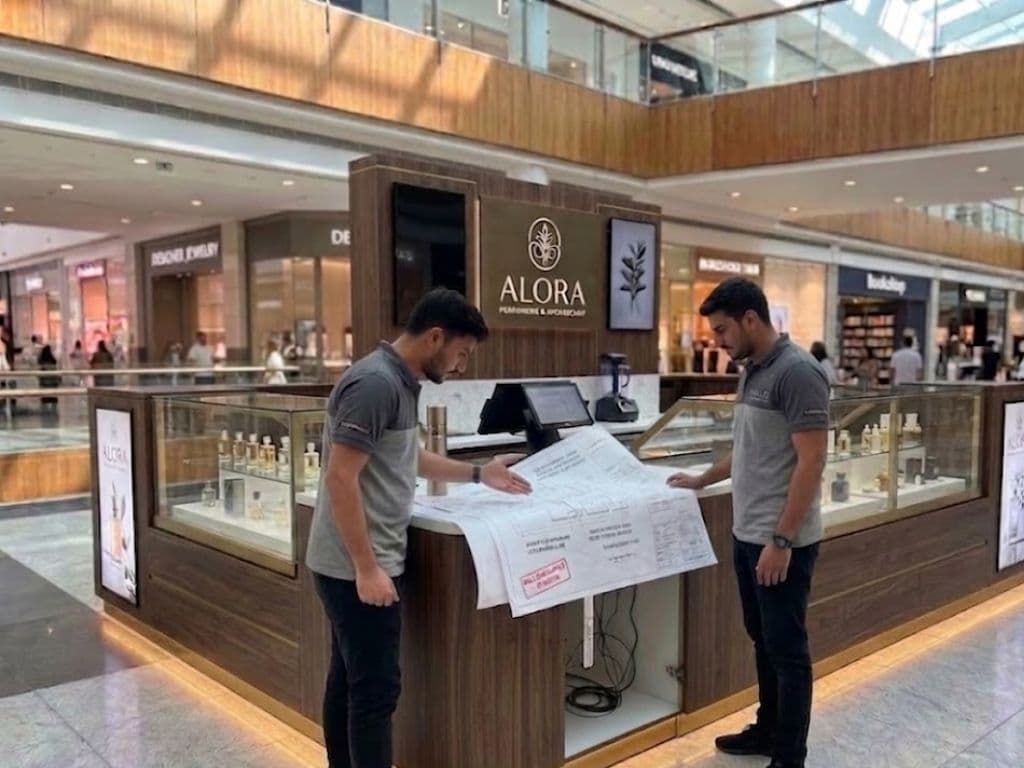
Two Halo project staff reviewing mall compliance drawings beside a completed perfume kiosk in a Dubai mall

Mall Approvals, Overnight Installation and Handover

From the assessment we identify the route that applies to your pitch, then prepare the design submission the centre expects — dimensioned plans and elevations from all four sides, renders, a material and finish schedule, signage details and the contractor documentation, insurance and inductions required before access is granted. Delivery route, service-lift dimensions, floor protection, permits and the night-works crew are booked against the centre’s access window, and the unit is standing, powered, cleaned and trading-ready before the doors open.

  • Four-sided elevations, renders, material schedule and signage submission
  • Access permits, floor protection, night-works crew and pre-opening handover

One Team for Design, Approval, Fabrication & Overnight Install

Kiosk projects fail in the gaps between suppliers. A designer produces a concept the mall will not approve; a fabricator builds to it anyway; the unit arrives too large for the service lift; the graphics are late; and the electrical connection turns out to be somebody else’s scope at two in the morning with the centre opening at ten. Splitting a kiosk across separate companies puts every one of those gaps on your side of the contract.

Halo delivers bespoke joinery, interior fit-out, MEP & HVAC, authority approvals and project management as one turnkey scope under one project manager.

Book a Pitch Assessment

Concept, pitch planning and renders

Brand brief, four-sided elevations, footprint and height against the centre’s RMU rules, and the renders the mall’s design review will ask for.

Fabrication in our own factory

Carcass, counters, showcases, canopy and signage produced and dry-assembled in Halo’s Dubai workshop before anything is delivered.

Services, equipment and graphics

Power and data from the mall floor box, lighting, POS, refrigeration and water where the format needs it, plus signage and body graphics.

Approvals, install and handover

Design submission, permits, delivery route, overnight installation, snagging and a trading-ready handover before the centre opens.

Why Dubai Operators and Brands Choose Halo Interiors

Quotes from kiosk manufacturers in Dubai rarely compare like for like, because each one draws the scope line somewhere different — usually around the submission, the electrical connection, the graphics and the installation. These are the six things worth testing on every kiosk company you shortlist, including this one.

Our Own Joinery Factory

Kiosks, stands, counters and showcases are produced in Halo’s own Dubai workshop rather than placed with whichever fabricator is free. That is what keeps the finish consistent, the tolerances tight enough to bolt together on site, and the delivery date under our control instead of somebody else’s.

Mall RMU Guidelines, Read First

Every centre publishes its own rules for common-area units — maximum footprint, body and signage height, sightline protection, permitted materials, illumination and how the submission has to be presented. We identify which set applies to your pitch during the assessment, so the design is drawn inside them rather than reconciled with them later.

Built for the Service Lift, Not Just the Pitch

A unit that fits the pitch but not the goods lift gets cut down in the loading bay. Modules are sized against the actual access route — lift dimensions, door widths, corner radii and floor protection — and the install is planned to finish inside the centre’s permitted overnight window.

A Programme Tied to Your Licence Date

Mall licence agreements start charging on a fixed date whether the pitch is trading or not. The programme is worked backwards from that date, with the design-review response time treated as the risk it actually is rather than as a formality.

Transparent Scope and Cost Control

Kiosk quotes diverge most on what is excluded. Ours states whether equipment, POS hardware, graphics production, transport, permits, storage and reinstatement are in or out, and every variation is priced and approved before it is built.

Units That Can Be Moved, Stored and Reused

Short licences, seasonal pitches and travelling roadshows all need a unit that comes apart. Building in bolted modules with a documented make-up means the same unit can be relocated, stored between shows or reinstated at the end of the term without being destroyed.

The Halo Kiosk Experience vs. The Typical One

Most kiosk quotes in Dubai only look comparable until the scope behind them is read. This is what changes, line by line, when design, approval, fabrication and installation sit with one contractor.

Price

The Halo Experience
  • Itemised proposal priced against a written, line-by-line scope
  • Equipment, graphics, transport and reinstatement stated as in or out
  • Variations priced and approved in writing before they are built
The Typical Experience
  • A single square-metre rate with the scope left undefined
  • Delivery, installation and permits invoiced after the unit is on site
  • Extras built first, priced afterwards

Accountability

The Halo Experience
  • One contract covering design, submission, fabrication, delivery and install
  • A named project manager from site survey to trading-ready handover
The Typical Experience
  • A designer, a fabricator and an installer appointed separately
  • Responsibility passed sideways when the unit does not fit the pitch

Mall Approvals

The Halo Experience
  • RMU guidelines read for your specific pitch before anything is drawn
  • Elevations, renders and materials submitted and tracked by Halo
The Typical Experience
  • A design drawn first and reconciled with the guidelines afterwards
  • A resubmission cycle discovered with two weeks left on the programme

Manufacture

The Halo Experience
  • Built in our own Dubai joinery factory to a documented specification
  • Dry-assembled and checked in the workshop before it is broken down
The Typical Experience
  • Fabrication placed with whichever workshop is free that week
  • The first full assembly attempted on site, overnight, under time pressure

Installation

The Halo Experience
  • Modules sized for the service lift and the centre’s access route
  • Floor protection, permits and night-works crew arranged in advance
  • Complete and cleaned before the centre opens
The Typical Experience
  • A unit that will not fit the lift, cut down in the loading bay
  • An install stopped part-built when the access window closes

Services

The Halo Experience
  • Power, data and POS routed to the mall’s floor box with no trailing cable
  • Water, waste and refrigeration resolved before the layout is fixed
The Typical Experience
  • Cable management improvised on the day and taped to the floor
  • Equipment specified after the joinery is already built around it

End of Term

The Halo Experience
  • Built in bolted modules so the unit can be relocated or stored
  • Removal, floor make-good and reinstatement quotable in the same scope
The Typical Experience
  • A unit that can only be dismantled by destroying it
  • A reinstatement bill, and a deposit that does not come back

A Kiosk Is Not a Small Shop — Six Things That Change

Most of what goes wrong on a kiosk comes from treating it as a scaled-down store. The commercial logic is different, the constraints are set by somebody else, and the whole build happens before the unit ever reaches the pitch. If you are fitting out an in-line unit rather than a concourse pitch, the retail fit-out page covers that scope instead.

Seen from every side

A store has one frontage and three walls you never see. A kiosk has four frontages and no back, so storage, bins, cabling and the staff position all have to be designed as things a customer will look at.

You are a guest in the common area

The floor, the ceiling, the sprinklers and the lighting above your pitch belong to the mall. Nothing fixes into them, the unit stands free, and the centre sets the height that protects its own sightlines.

Built off site, installed in hours

There is no barricade and no fit-out period on a concourse. The unit arrives finished and goes together inside a single overnight window, which moves almost all the risk into the workshop.

One service point, no more

Most pitches offer a floor box with power and data and nothing else. Water, waste, refrigeration heat and any extraction have to be solved inside the unit or negotiated with the centre before the design is fixed.

Stock has nowhere to hide

There is no stockroom. Replenishment frequency, case sizes and what a shift genuinely needs to hold decide the internal volume, and getting it wrong shows as boxes stacked beside a trading unit.

Short, renewable and movable

Kiosk licences are frequently short and the pitch can change at renewal. The unit is worth building as an asset that can be lifted, relocated and reinstated rather than as a fixed installation.

Our Kiosk Fit-Out Process

Consultation and Pitch Assessment

We review the brand, the format, the licence dates and the pitch itself, and read the centre’s RMU guidelines or the show’s technical manual before proposing anything.

Survey, Layout and Concept Design

Dimensions, the mall floor box position, the access route and the service lift are confirmed on site, then the unit is planned in the round with four-sided elevations.

Renders, Material Schedule and Itemised Proposal

Renders from every side, a finish and signage schedule, a defined scope with exclusions stated, and a programme worked backwards from your licence date.

Mall or Organiser Design Approval

The submission is lodged in the format the centre or organiser accepts and their comments are answered by us, with the resubmission risk carried in the programme.

Fabrication and Workshop Dry-Assembly

The unit is built, finished, fitted out with services and fully assembled in our factory, then checked, photographed and broken down into transportable modules.

Overnight Installation and Handover

Delivery, floor protection, assembly, power connection, commissioning, snagging and cleaning inside the access window, complete before the centre opens.

Kiosk Cost and Project Timelines

Kiosk cost in Dubai is driven by the footprint and height, the material and finish standard, whether the unit carries refrigeration, water or coffee equipment, the signage and illumination package, the graphics, and whether transport, permits, storage and end-of-term removal sit inside the scope or outside it. A compact laminate retail unit and a solid-surface F&B kiosk with chillers, a tanked supply and an illuminated tower are different builds, not the same build priced differently.

If the budget is finite, we will tell you where specification money has the most effect on a unit this size — usually the counter face, the illuminated signage and the lighting that renders your product — and where saving is a false economy, such as a body that cannot be dismantled at the end of a short licence. After the pitch assessment you receive an itemised proposal against a defined scope, so you can compare it line by line with any other kiosk manufacturer.

To prepare it we need the mall or venue and the pitch reference, the licensed dimensions, the centre’s RMU guidelines or the show’s technical manual if you hold them, your product category and brand assets, whether the unit needs water, refrigeration or cooking, the equipment you already own, and your licence or build-up dates.

Footprint, height and complexity

A 2m × 2m unit and a 4m × 3m unit with a signage tower and a raised canopy are different builds, not the same build scaled.

Materials and finish standard

Laminate, solid surface, real veneer, high-gloss lacquer, powder-coated steel and stainless sit on a wide band, and the finish is read from an arm’s length.

Equipment, refrigeration and water

Chillers, ice banks, coffee equipment, tanked water and grey-water storage add cost, plant space and heat that the joinery has to be designed around.

Signage, illumination and graphics

Built-up letters, backlit faces, light boxes and printed wraps carry their own fabrication and production cost, and seasonal changeouts recur.

Submission, permits and access

Design review, renders, permits, contractor documentation, night-works crew, service-lift booking and floor protection all sit behind the visible unit.

Transport, storage and reinstatement

Delivery, an overnight install window, storage between shows or seasons, relocation and end-of-term removal and make-good are each priced or excluded explicitly.

How Long Does a Kiosk Take to Build?

The phase ranges below are what we plan against on a Dubai kiosk project. Design and fabrication are predictable; the mall design-review stage is not, because it depends on the centre’s response time and whether comments require a resubmission. Fabrication cannot start until the design is approved, which is why that stage is usually the critical path. You receive a dated programme, worked backwards from your licence date, once the pitch has been assessed.

  1. Consultation and pitch survey
    2 – 5 days

    Brief, pitch dimensions, floor box position, access route and the centre’s guidelines.

  2. Concept, elevations and renders
    1 – 2 weeks

    Layout in the round, four-sided elevations, renders, finish and signage schedule.

  3. Mall or organiser design approval
    1 – 4 weeks

    Submission, design-review comments and resubmission — usually the least predictable phase.

  4. Fabrication and workshop assembly
    2 – 5 weeks

    Carcass, counters, showcases, signage, services and a full dry-assembly before break-down.

  5. Delivery and overnight installation
    1 – 3 nights

    Floor protection, service-lift access, assembly, power connection and commissioning.

  6. Snagging, graphics and trading readiness
    2 – 5 days

    Final graphics, defect rectification, deep clean and handover before merchandising.

Phases overlap, except one. Survey, concept and procurement can run together, but fabrication does not begin until the centre has approved the design — so the approval stage is the one that genuinely moves your opening date.

Kiosk and Stand Projects We Deliver

Find the situation that matches your unit today. The pitch assessment confirms the right technical and commercial scope from there — and if your format is closer to an in-line store, a café or a boutique, those pages go into more depth.

01

A New Mall Kiosk or RMU

For an operator who has been offered a pitch and holds the centre’s RMU guidelines. Concept, four-sided elevations, design submission, fabrication and an overnight install before the licence date.

Plan a Mall Kiosk
02

A Food, Coffee or Dessert Kiosk

For F&B formats where water, waste, refrigeration and food-safety requirements drive the layout before the joinery does. Equipment coordination included from the first sketch.

Discuss an F&B Kiosk
03

A Pop-Up, Activation or Roadshow

For a short campaign in a mall atrium or a stand that travels between centres. Built to be assembled, dismantled, transported and stored without losing its finish.

Plan an Activation
04

A Custom Exhibition Stand

For space-only stands at Dubai World Trade Centre, Expo City, ADNEC and hotel show floors. Designed to the organiser’s technical manual, built, erected in the build-up period and removed in the breakdown window.

Discuss an Exhibition Stand
05

A Multi-Site Kiosk Rollout

For brands replicating one unit across several centres. The prototype becomes a specification and a drawing set, so the fifth kiosk is built to the same standard as the first.

Plan a Rollout
06

Refurbishing or Relocating an Existing Unit

For a kiosk that needs a rebrand, a new counter, updated graphics or a move to a different pitch. We assess what can be retained and what has to be rebuilt.

Refresh a Kiosk

What Our Retail Clients Say

Google

Timur G

Google Review

We engaged Halo Interiors for a turnkey renovation project at our property in Dubai Creek Harbour. Halo handled the entire project including design, procurement, permits, and execution of the works. Halo worked to a tight deadline and delivered a stunning design, which they then implemented to a very high standard. The quality of execution was head and shoulders above anything else I have seen in Dubai, with attention to every detail and very thorough quality control. As a client, I also felt that Halo were very honest in our dealings and this really made a difference. The pricing was also competitive and fully transparent. I cannot recommend Halo highly enough.

See full Google review
Google

AJ Boelens

Google Review

I am so thankful Jason and Zishan from Halo for their help to conduct a property inspection and support us in how to handle a renovation project that went terribly wrong. If I could do things over again, I would have consulted with Halo prior to our renovation project and would have asked for their guidance and project management support. There are a lot of shady contractors in Dubai apparently and these guys are the only honest people you can rely on. I would give them 6 stars if I could!

See full Google review
Google

limelight interors

Google Review

We have had the pleasure of working with Halo Interiors on three different projects, and the experience has been nothing short of exceptional. Our clients have praised the quality and service provided, and we have not faced a complaint. Their premium quality joinery speaks for itself. A special mention to Huzefa, the project manager, who expertly handled our most recent renovation. I highly recommend Halo Interiors to anyone seeking top-notch craftsmanship and reliable service.

See full Google review
Google

Mansi shah

Google Review

We contracted Halo for our first villa upgrade project in early 2022 and we have been using their services since then. I cannot but help appreciate the extra effort they take to ensure all our requirements are addressed. Extremely professional and reliable. I would recommend them without hesitation!

See full Google review

4.8

1,200+ projects completed

Kiosks and Exhibition Stands Across Dubai

Halo builds and installs kiosks, RMUs, pop-ups and exhibition stands across Dubai's malls, event venues and outdoor retail districts — The Dubai Mall, Mall of the Emirates, Dubai Hills Mall, Ibn Battuta, City Walk, BoxPark and Global Village among them, along with Dubai World Trade Centre, Expo City, ADNEC and hotel show floors. Every centre and organiser publishes its own guidelines, submission format, access hours and installation rules, which is why the route is confirmed for your specific pitch or stand space rather than assumed from the location.

Across DubaiKiosk and stand enquiries city-wide
Select a community to locate it

Major Malls and Concourse Pitches

Exhibition and Event Venues

Street-Front, Lifestyle and Outdoor Pitches

Your mall or venue is not listed? Share the location, the licensed pitch dimensions and your target trading or build-up date so our commercial team can review the requirements.

Check My Location

Kiosk Approvals and Compliance in Dubai

Approval requirements vary by mall, landlord, venue, organiser and the activity the unit carries. Halo identifies the route that applies to your pitch before the programme is confirmed — RMU guidelines differ substantially between centres, and there is no universal Dubai kiosk checklist. Halo delivers the unit and coordinates the fit-out approvals; we do not obtain your trade licence or negotiate your pitch licence with the mall.

Mall RMU guidelines, design review and NOC

Centres publish their own rules for common-area units — maximum footprint and height, sightline protection, permitted materials and illumination, and the drawing and render format the design review expects. Approval is granted against that guideline, and the guidelines differ substantially between centres.

Related Halo capability

Authority approvals and project management

Life safety, egress and sprinkler coverage

A unit in a common area must not obstruct an escape route or a fire-fighting access point, and overhead canopies and signage towers have to respect the sprinkler coverage above the pitch. Materials and finishes are expected to meet the centre’s fire-performance requirements.

Related Halo capability

MEP & HVAC and interior fit-out

Food-safety approval for F&B units

Kiosks handling food normally require Dubai Municipality food-safety approval in addition to the mall’s own consent, with requirements covering hand-wash provision, potable water, waste, surfaces and equipment. The applicable route is confirmed for the specific activity rather than assumed.

Related Halo capability

F&B fit-out and authority submissions

Access permits, insurance and night works

Contractor registration, third-party liability insurance, staff inductions, gate passes, service-lift booking, floor protection and permitted working hours are set by the centre and are frequently what shapes the installation programme.

Related Halo capability

Licensed contracting, site supervision and bespoke joinery handover

What a Well-Built Kiosk Is Actually Buying You

A kiosk is the smallest unit in the centre and the most exposed. On most pitches it is doing several commercial jobs at once.

Four frontages, not one

An in-line store is seen from the front. A kiosk is walked around, so every elevation is a shopfront and the weakest one sets your impression. Planning the unit in the round is the difference between a kiosk that reads from thirty metres and one that only works from the escalator.

Every millimetre of a very small footprint

On a 2m × 3m pitch, the space you give to stock is taken from the space you give to a queue. Getting the counter line, the serving side, the storage and the staff position right is what decides how many transactions the unit can physically process at peak.

Rent starts before you trade

A mall licence agreement usually runs from a fixed date whether the unit is built or not. Because a kiosk is prefabricated off site and installed overnight, the days lost to a slipped programme are days of rent paid on an empty pitch.

A unit that can move and come back

Pitches get relocated, seasons change and licences renew in different positions. A unit built in bolted modules with a documented make-up can be lifted, moved and reinstalled, rather than written off at the end of a short lease.

A deposit you actually get back

Malls hold a fit-out deposit against damage to the common area and against reinstatement at the end of the term. Protecting the landlord’s floor finish during installation, and taking the unit out cleanly, is what turns that deposit back into cash.

Approval first time

Mall design review looks at renders and elevations from all four sides against the centre’s RMU guidelines — height, footprint, sightlines, materials and signage. A submission that respects those rules before it is drawn avoids a resubmission cycle you do not have time for.

Your Kiosk Project Is Protected

Handing over a unit that has to be standing and trading before a mall opens is a question of trust. These are the commitments that sit around the work itself.

A defined, itemised scope

You are quoted against a written scope with stated inclusions and exclusions — including who supplies the chillers, the POS hardware, the graphics and the stock — rather than a lump sum. Variations are priced and approved before they are built.

Licensed, insured and compliant

Halo is a licensed Dubai contractor carrying AED 5 million insurance cover, with the contractor documentation, third-party liability certificates, inductions and site-safety records malls and exhibition organisers require before granting access.

A workshop dry-run before site

The unit is assembled and checked in our own factory before it is broken down for delivery. Doors, drawers, levelling and service routes are proven where a problem costs an hour, not in a four-hour overnight window inside a closed mall.

Installation inside the permitted window

Delivery routes, service-lift dimensions, floor protection, permits and the centre’s access hours are planned before the unit leaves the workshop, so the install finishes before the mall opens rather than being stopped part-built.

What to Check Before Hiring a Kiosk Company in Dubai

There are a lot of kiosk manufacturers and suppliers in Dubai, and the quotes rarely compare like for like. These are the six questions worth asking every one of them — including us.

Have you built inside this mall before?

RMU guidelines, submission formats, service-lift dimensions and access hours differ centre to centre. A contractor meeting them for the first time learns on your programme.

Halo

We name the centres we have worked in and confirm which guideline set applies to your pitch during the assessment, rather than discovering it at submission.

Is the unit made in your own workshop?

A kiosk is a piece of furniture, not a room. Outsourced fabrication is where the finish, the tolerances and the delivery date usually slip — and there is no second attempt inside an overnight window.

Halo

Units are produced in Halo’s own Dubai joinery factory and dry-assembled there before delivery, so the finish and the programme stay under our control.

Who prepares the mall submission and the renders?

Mall design review wants elevations and renders from every side against the centre’s RMU rules. If that package is your responsibility, the approval clock has not started yet.

Halo

We prepare and track the submission — drawings, elevations, renders, materials and signage details — and respond to the centre’s comments as part of the scope.

What exactly is excluded from this price?

Kiosk quotes diverge most on what is not in them: chillers and equipment, POS hardware, graphics production, the electrical connection to the mall’s floor box, transport, storage and reinstatement.

Halo

Exclusions are stated in the proposal rather than left implicit, so you can put ours beside another quote line by line.

Can you install overnight and finish before opening?

Common-area work almost always happens between mall closing and opening. A programme that assumes daytime access is assuming something the centre will not grant.

Halo

The unit is prefabricated in modules sized for the service lift and installed within the centre’s permitted window, with floor protection and a clean handover before trading hours.

What happens at the end of the licence?

Malls hold a deposit against reinstatement. A unit that cannot be dismantled cleanly, or a contractor who has moved on, turns that deposit into a loss.

Halo

Units are built to be dismantled, and removal, floor make-good and storage or relocation can be quoted as part of the same scope.

Kiosk Fit-Out Frequently Asked Questions

Straight answers to the questions Dubai kiosk operators and brand teams ask before appointing a contractor.

Physical retail units: mall kiosks and retail merchandising units (RMUs) on a shopping centre concourse, food, coffee and dessert kiosks and carts, jewellery, perfume, cosmetics and phone-accessory units, pop-ups and brand activations, promotional and roadshow stands, and custom exhibition stands. To be explicit about a common confusion: Halo does not supply self-service, payment, vending, ticketing or touchscreen kiosks. Those are hardware and software products bought from a technology vendor. If your enclosure has to house a supplied machine, that is joinery we can build — but the machine itself is not ours.

In practice the words are used interchangeably, and most Dubai malls use "RMU" — retail merchandising unit — in their own leasing and fit-out documentation. Where a distinction is drawn, an RMU tends to mean a smaller, standardised, often wheeled or easily relocated unit on a licensed pitch, while "kiosk" is used more loosely for anything freestanding in a common area, including larger F&B units with services. Both are governed by the same document: the centre’s guidelines for common-area units.

Cost is driven by the footprint and height, the material and finish standard, whether the unit carries refrigeration, water or coffee equipment, the signage and illumination package, the graphics, and whether transport, permits, storage and end-of-term removal are inside the scope. A compact laminate retail unit and a solid-surface F&B kiosk with chillers, tanked water and an illuminated tower are different orders of cost, not the same unit priced differently. Halo does not publish a rate, because the number changes once the pitch and the centre’s guidelines are known — you receive an itemised proposal against a written scope instead.

The phases are survey, concept and renders, mall design approval, fabrication, then delivery and overnight installation. Design and fabrication are predictable; the design-review stage is not, because it depends on how quickly the centre responds and whether comments require a resubmission. Fabrication cannot start until the design is approved, so the approval stage is usually the critical path. We issue a dated programme worked backwards from your licence date once the pitch and the centre’s requirements are known.
Yes. We prepare the package the centre expects — dimensioned plans, elevations from all four sides, renders, a material and finish schedule and signage details — lodge it in the required format and respond to the design-review comments. We also provide the contractor documentation, third-party liability insurance certificates, inductions and permit applications needed before access is granted. Halo delivers the unit and coordinates the fit-out approvals; we do not obtain your trade licence or negotiate your pitch licence with the mall.

Almost never. Work in a common area is normally restricted to the hours between closing and opening, which is why the unit is prefabricated and dry-assembled in our workshop and then delivered as modules that bolt together. The install is planned around the centre’s access window, the service-lift dimensions and the delivery route, with floor protection down before anything is moved across the mall’s finishes.

They are set by each centre in its own guidelines rather than by a city-wide rule, and they vary. Most malls limit the footprint to the licensed pitch dimensions, cap the height of the main body so it does not block sightlines across the concourse, and allow a taller signage or tower element within a stated maximum. Some also restrict overhead canopies, illumination levels and the materials permitted on the visible faces. We read the guideline that applies to your specific pitch before drawing anything.

Yes, and the water question has to be answered before the layout. Some pitches have a mall connection for potable supply and waste; many do not, in which case the unit carries a tanked supply and a grey-water tank that has to be sized around your service volume and emptied on a routine. Hand-wash provision, food-contact surfaces, refrigeration and heat rejection from chillers are planned into the joinery rather than added to it. Food kiosks generally also need Dubai Municipality food-safety approval alongside the mall’s consent.

Typically from a floor box that the mall provides within or adjacent to the pitch. Everything downstream is the unit’s responsibility: an isolator, correctly rated circuits for refrigeration and coffee equipment, and containment concealed inside the body so no cable crosses a public floor. If the available supply is not enough for your equipment, that is a constraint to establish at the assessment rather than on installation night.

If it is built for it. Units assembled from bolted modules with a documented make-up can be dismantled, transported and reinstalled, which matters because kiosk licences are frequently short and the pitch can change at renewal. A unit built as a single fixed assembly usually cannot be moved without damage. We build for relocation by default and can quote the move, the storage and the reinstatement as part of the same scope.

The unit is removed, the pitch is cleared and the mall’s floor finish is made good, because centres hold a fit-out deposit against exactly that. Halo can carry out the removal and reinstatement, and can store the unit for reuse or relocation rather than scrapping it. Agreeing this at the start is what usually decides whether the deposit comes back.

Yes — it is the same workshop and the same discipline: prefabricate off site, install inside a fixed window under somebody else’s rules. We build shell-scheme upgrades and custom space-only stands for Dubai World Trade Centre, Expo City, ADNEC and hotel venues, designed against the organiser’s technical manual and its height, platform, rigging and structural-calculation requirements, then erected in the build-up period and removed in the breakdown window. Reusable elements can be stored between shows.

A shell scheme is the organiser’s standard modular booth — walls, fascia name board and basic lighting — which you take as supplied and dress. Space-only means you are licensed bare floor and everything above it is yours to design, build and get approved, usually including submitted drawings, structural calculations for raised or double-deck elements and the organiser’s consent before build-up begins. Space-only costs more and takes longer, and it is the only route to a stand that does not look like the ones on either side of it.

Yes. Fascia and tower signage, built-up and face-lit lettering, backlit and edge-lit panels, light boxes, printed and vinyl-wrapped body graphics and changeable poster frames are all part of the same package. Signage is submitted with the unit, because centres generally approve the sign type, the illuminated area and the overall height as part of the same design review rather than separately.

Yes, and it is worth documenting properly. The prototype becomes a specification, a drawing set and a procurement package that each subsequent unit is built against, so the joinery, the finishes and the signage repeat rather than drift. What does not repeat is the approval: each centre reviews the design against its own guidelines, so the unit sometimes needs dimensional adjustment from mall to mall even when the brand standard does not change.

Regularly. Where a brand agency or retail designer has produced the concept, Halo executes it as the fabricator and contractor — resolving buildability, tolerances, service routing and the mall submission while protecting the design intent. Where a detail cannot be built as drawn, or the centre’s guidelines will not accept it, we raise it with the designer and propose an alternative rather than changing it quietly on site.

Yes, and the specification changes substantially. Outdoor units in Dubai face direct sun, heat, humidity and occasional wind and rain, so finishes, sealing, fixings and the ballasting or anchoring strategy are specified for those conditions rather than for a conditioned concourse. Refrigeration and electrical equipment also work harder outdoors and need to be selected accordingly.

The mall or venue and the pitch reference, the licensed dimensions, the centre’s RMU guidelines or the show’s technical manual if you hold them, your product category and brand assets, whether the unit needs water, refrigeration or cooking, the equipment you already own, your licence or build-up dates, and photographs of the pitch if you have them. With those, our commercial team can define a scope and prepare an itemised proposal.

The unit is assembled and levelled, power and data are connected and tested, lighting and any equipment are commissioned, graphics are applied, the snag list is worked through, and the unit and the surrounding floor are cleaned before the centre opens. You receive the handover information, warranties and operating details, and a walkthrough with your team so the unit can be merchandised and opened.

Our Promise

What every Halo kiosk and stand carries, whatever the pitch or the format.

Experienced Retail Team

A named project manager and planners delivering commercial interiors in Dubai since 1996, working to a line-by-line scope agreed before anything is fabricated.

In-House Fabrication

Bodies, counters, showcases, canopies and signage produced in our own Dubai joinery factory, then dry-assembled and checked before the unit leaves the workshop.

Overnight Installation

Delivery, service-lift access, floor protection, permits and night-works crew planned so the unit is standing, powered and clean before the centre opens.

Transparent Pricing

An itemised proposal against a defined scope with exclusions stated up front, and every variation priced and approved in writing before it is built.

Free Site Assessment

A free assessment of your pitch or stand space, including a review of the mall’s RMU guidelines or the show’s technical manual before any design work starts.

Tell Us About Your Kiosk

Share a few details about your pitch and format. Our retail team will review them on WhatsApp and arrange an assessment — you can send the mall's RMU guidelines, your pitch dimensions or the show's technical manual in the same chat.

01
Mall Submissions Handled

Four-sided elevations, renders, material schedules, signage details and access permits prepared and tracked by us.

02
Built in Our Own Factory

Bodies, counters, showcases and signage produced and dry-assembled in our Dubai workshop before delivery.

03
Installed Overnight

Delivery, floor protection, assembly and commissioning inside the centre’s access window, complete before opening.

Book a Free Kiosk Pitch Assessment

Your details will only be used to discuss your kiosk or stand project.

Book Your Kiosk Pitch Assessment

Share your mall or venue, the licensed pitch dimensions, your product category and your target trading date. Halo's commercial team will review the requirements and arrange the appropriate next step. Since 1996 • DM Approved • DEWA Certified • Mall RMU Experience • In-House Joinery