Waterproofing
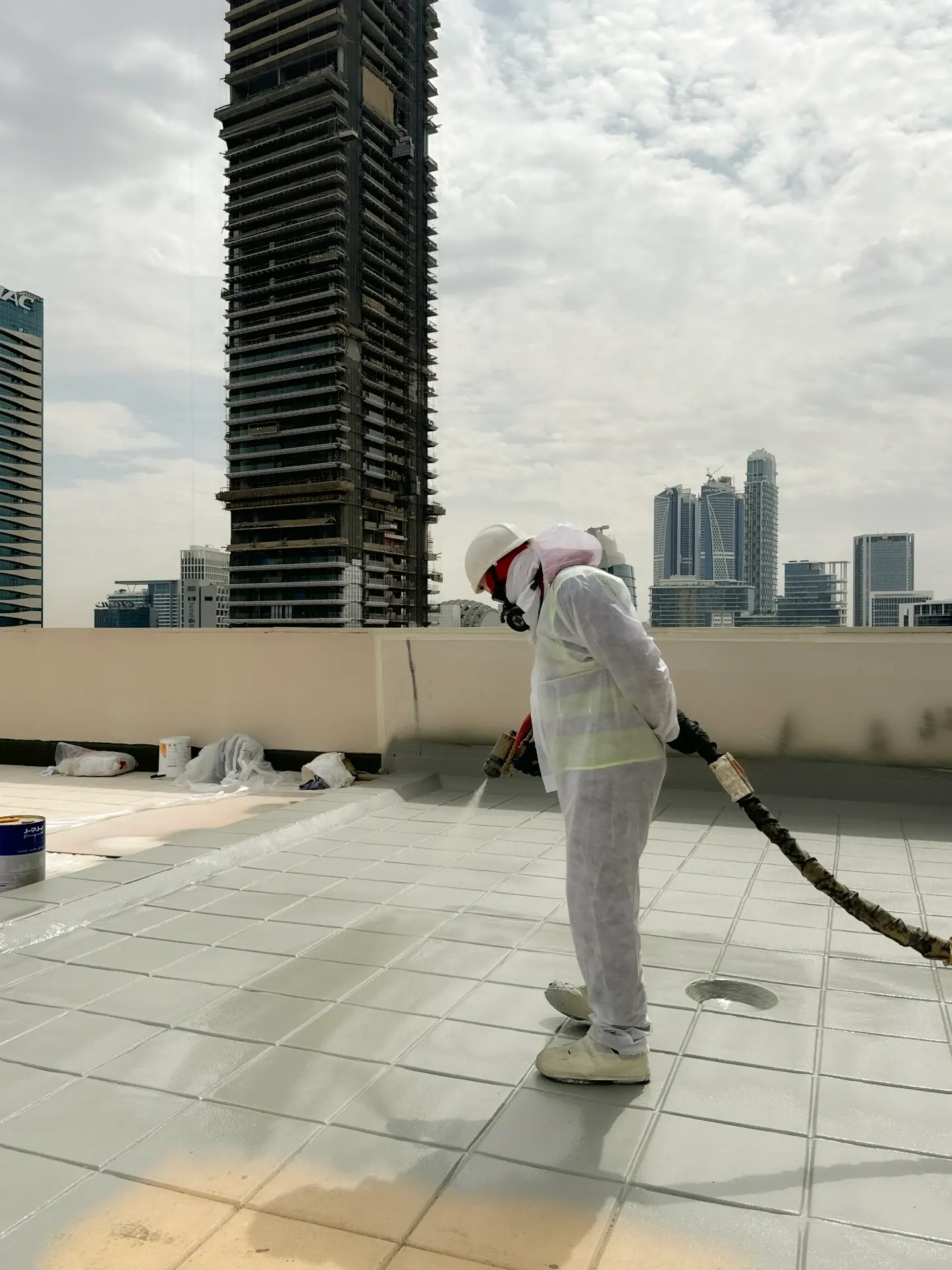
Roof, façade, terrace, basement and wet-area protection, with the treatment selected for the source of ingress.

Halo Shield investigates leaks, moisture and building-envelope defects, then specifies waterproofing and protective coatings for roofs, terraces, façades, basements and wet areas.
Water can travel before a stain appears. Halo Shield assesses the affected surfaces, joints and building interfaces before recommending a protection strategy.
Review leaks, previous repairs, moisture and access to the affected areas.
Identify preparation, repairs, the proposed system and any reinstatement in the written scope.
Confirm the applicable tests, documentation, warranty terms and maintenance requirements.
As featured in







Our clients include Property Owners, Interior Designers, Consultants and Contractors
Start with the issue you need to resolve. Explore the specialist services on the Halo Shield website, or prepare an assessment brief with our team.
Roof, façade, terrace, basement and wet-area protection, with the treatment selected for the source of ingress.
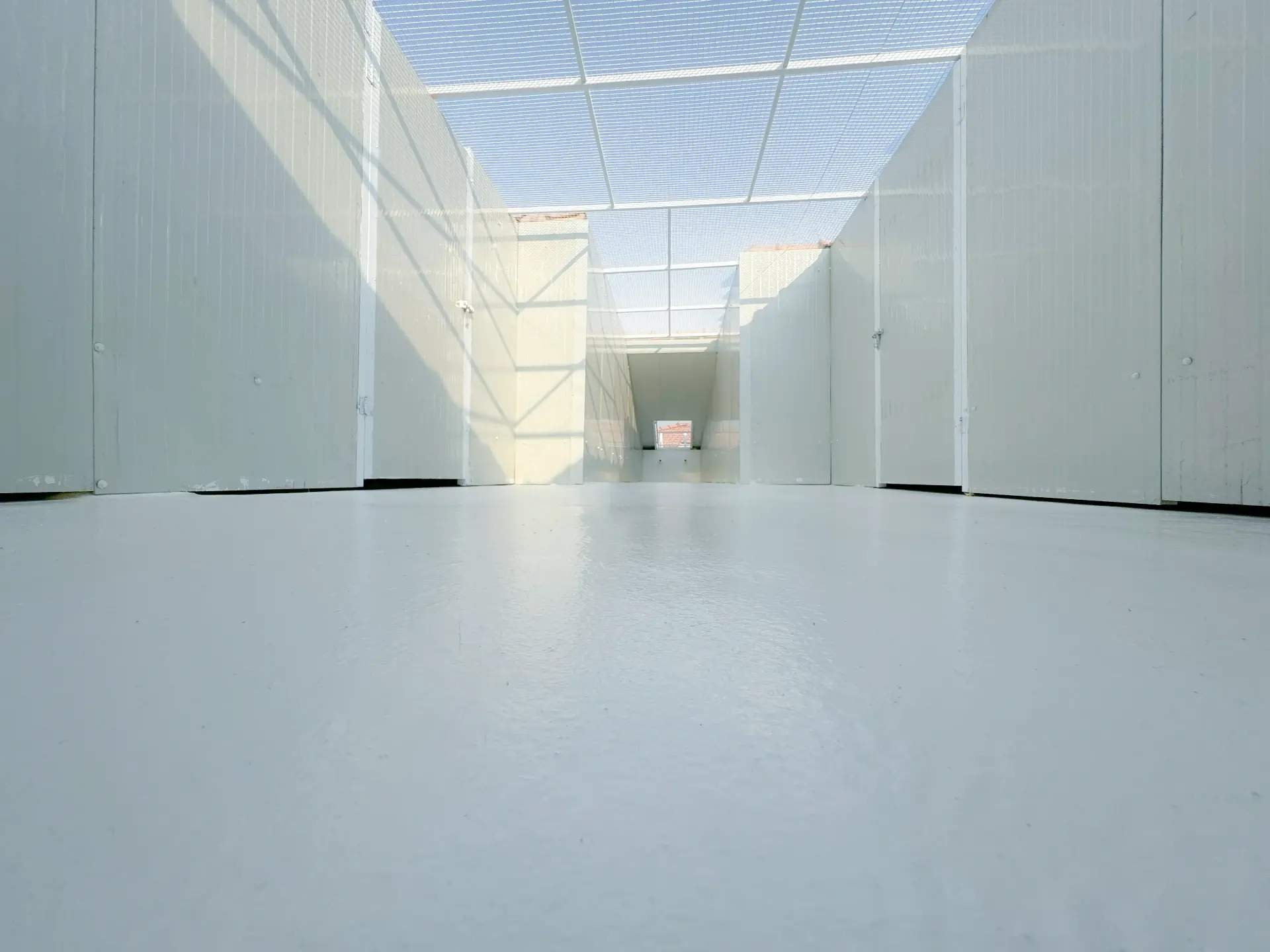
Floor and polyurea systems selected around the substrate, traffic, exposure and intended use.
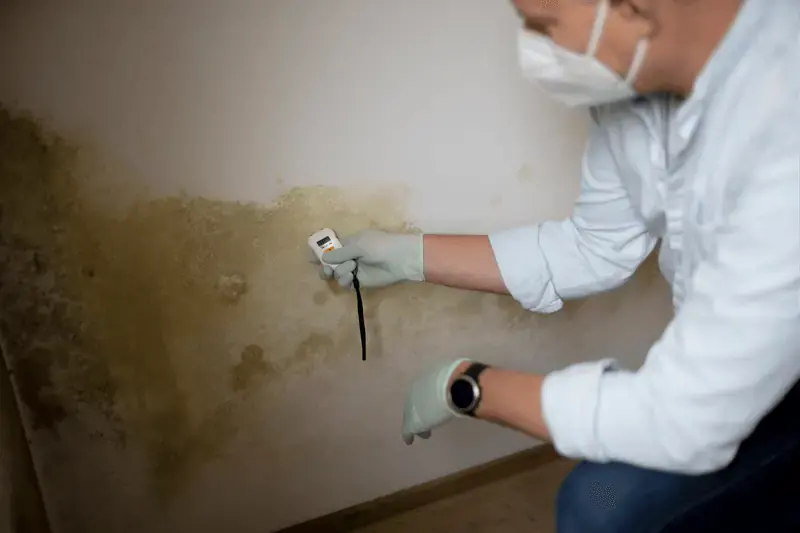
Assessment of moisture, mould and indoor conditions, with the required investigation or treatment agreed for the property.
Envelope and thermal concerns, plus specialist protective coatings with project-specific specification requirements.
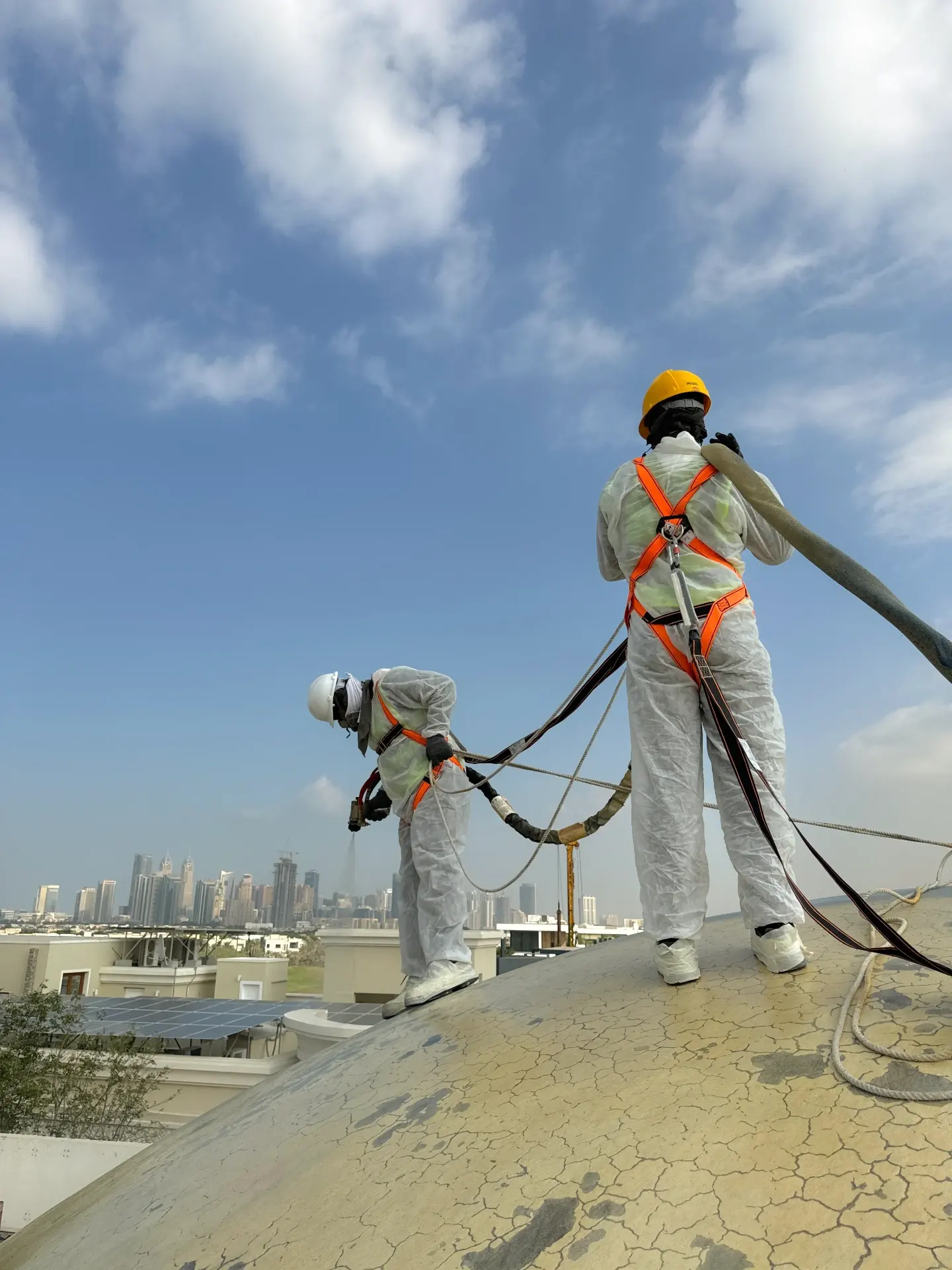
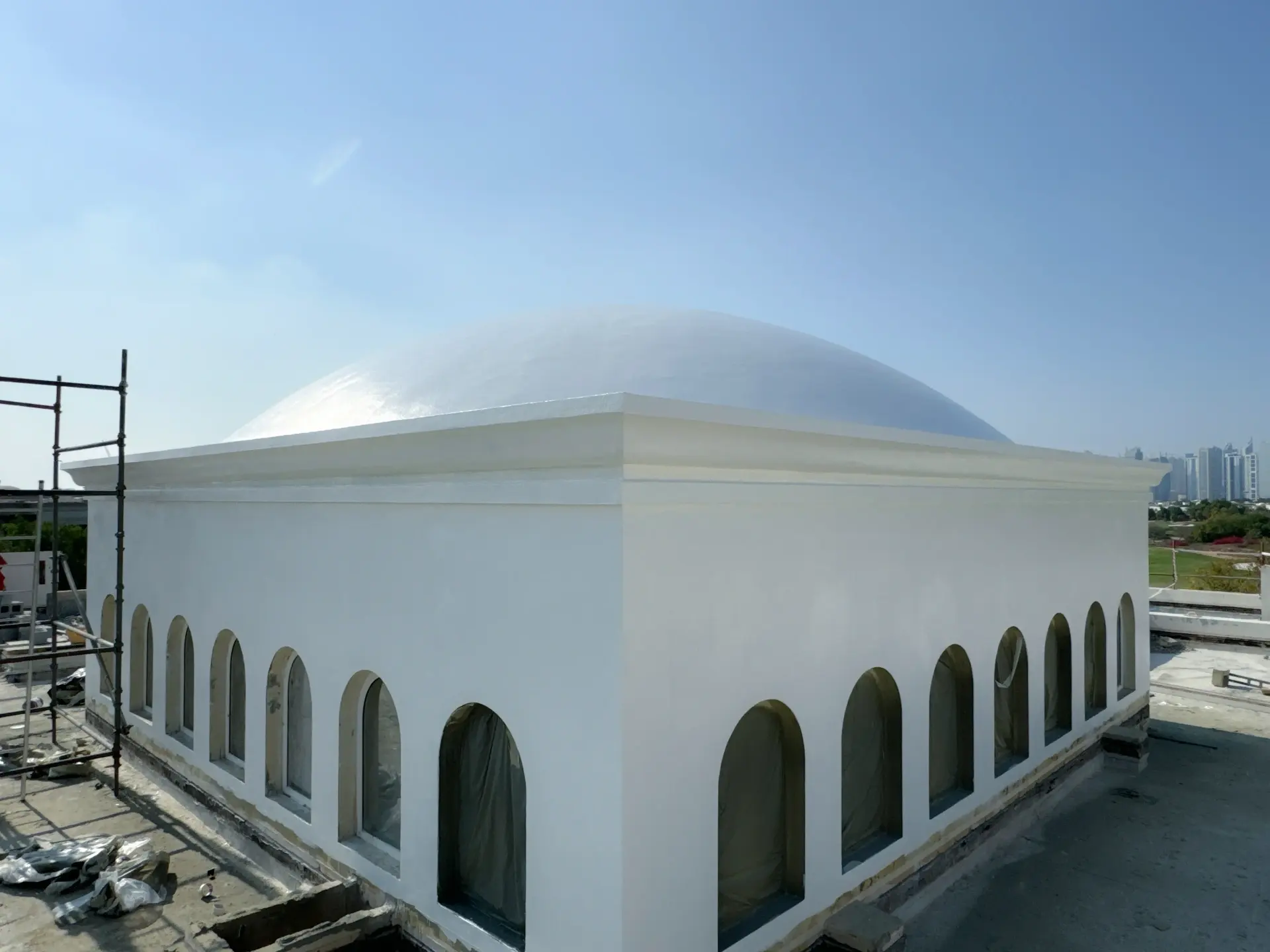
A closer look at the membrane and finish specified for a private villa dome in Emirates Hills.
Private villa · selected project
This private villa dome combines a seamless membrane with a UV-stable topcoat. The project portfolio lists a treatment area of 850 m² in Emirates Hills.
The source of a leak may be away from the visible stain. Review the roof, drainage, joints, penetrations and adjoining surfaces before selecting the treatment.
The right repair starts with understanding the source and the condition of the existing system.
Structures constantly expand and contract under extreme temperature fluctuations.
Moisture exposure, rainfall and drainage conditions influence the protection scope.
Construction gaps and connection points move and become entry points for water.
Inspect existing layers, laps, adhesion and previous repairs before selecting a repair approach.
Water always finds the weakest point.
Assess the source, then define the protection scope.
Ask the same questions of every protection provider, including Halo Shield. A clear specification makes the proposals easier to compare.
Where is the water entering, and what evidence supports the proposed repair?
A structural and envelope assessment informs the proposed protection strategy.
Which surfaces, junctions, repairs and finishes are included?
Confirm the treatment areas and interfaces in the project scope.
Why is this build-up suitable for the substrate, exposure and intended use?
The selected materials, preparation and detail treatment belong in the specification.
Which checks establish that the agreed work is complete?
Agree applicable inspections, testing, records and close-out requirements before installation.
Who issues the warranty, what does it cover and what conditions apply?
Up to 25-year assurance is advertised; actual duration and coverage depend on the issued project terms.
Every project starts with a detailed structural and envelope inspection, carried out by DM-approved structural engineers and specialists.
DM-approved engineers assess movement, joints, gaps, and vulnerabilities across your entire property envelope.
We identify why failures occur — not just where water appears. Understanding the cause is everything.
Bespoke solution using proprietary systems and advanced installation methods tailored to your property.
Application against the agreed scope, with applicable checks, handover records and written warranty terms.
The assessment informs a coordinated protection scope and installation programme.
Confirm preparation, products, details, testing and exclusions before mobilisation.
Engineering assessment, preparation and controlled application form part of a coordinated protection scope for your property.

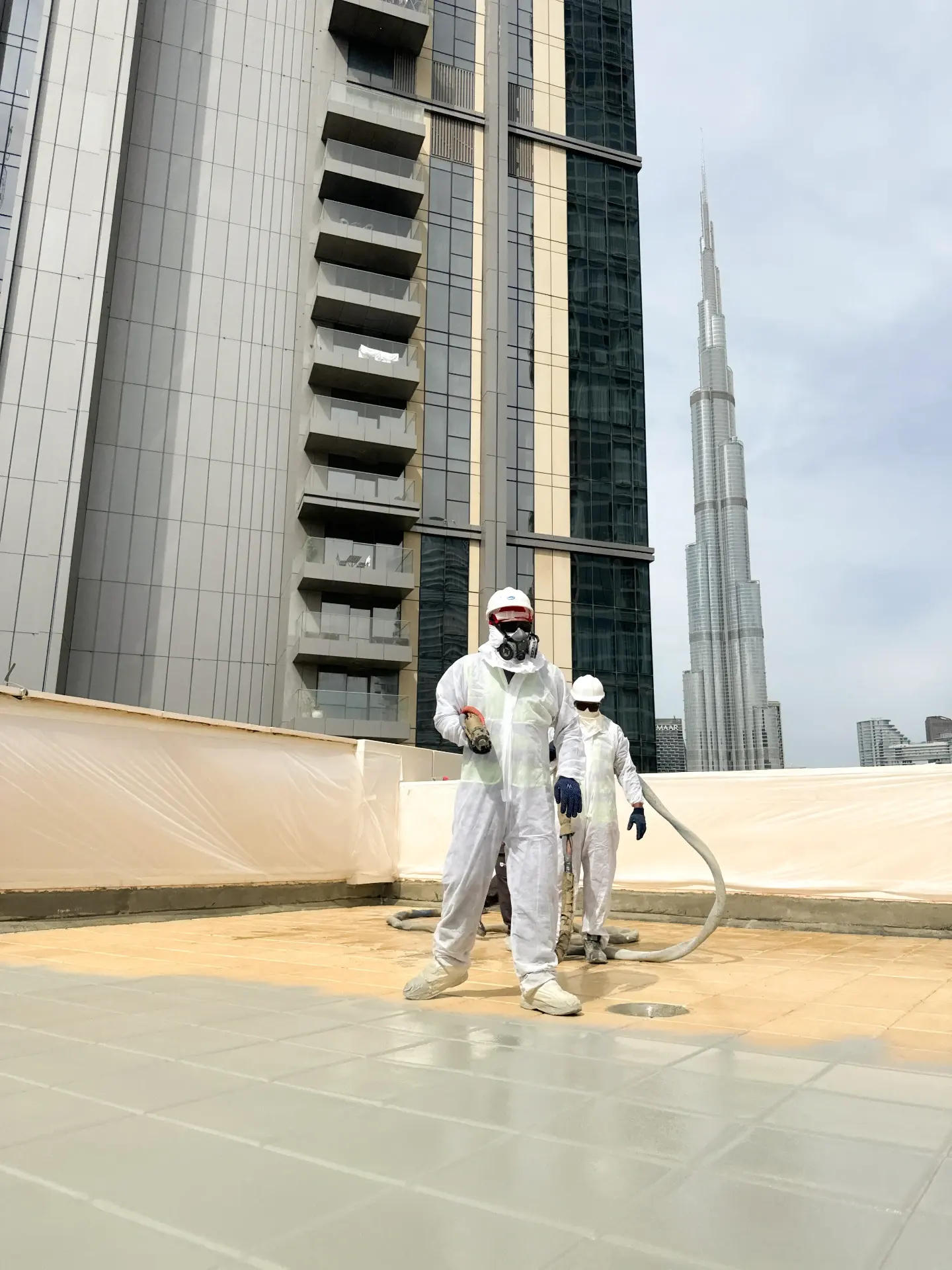
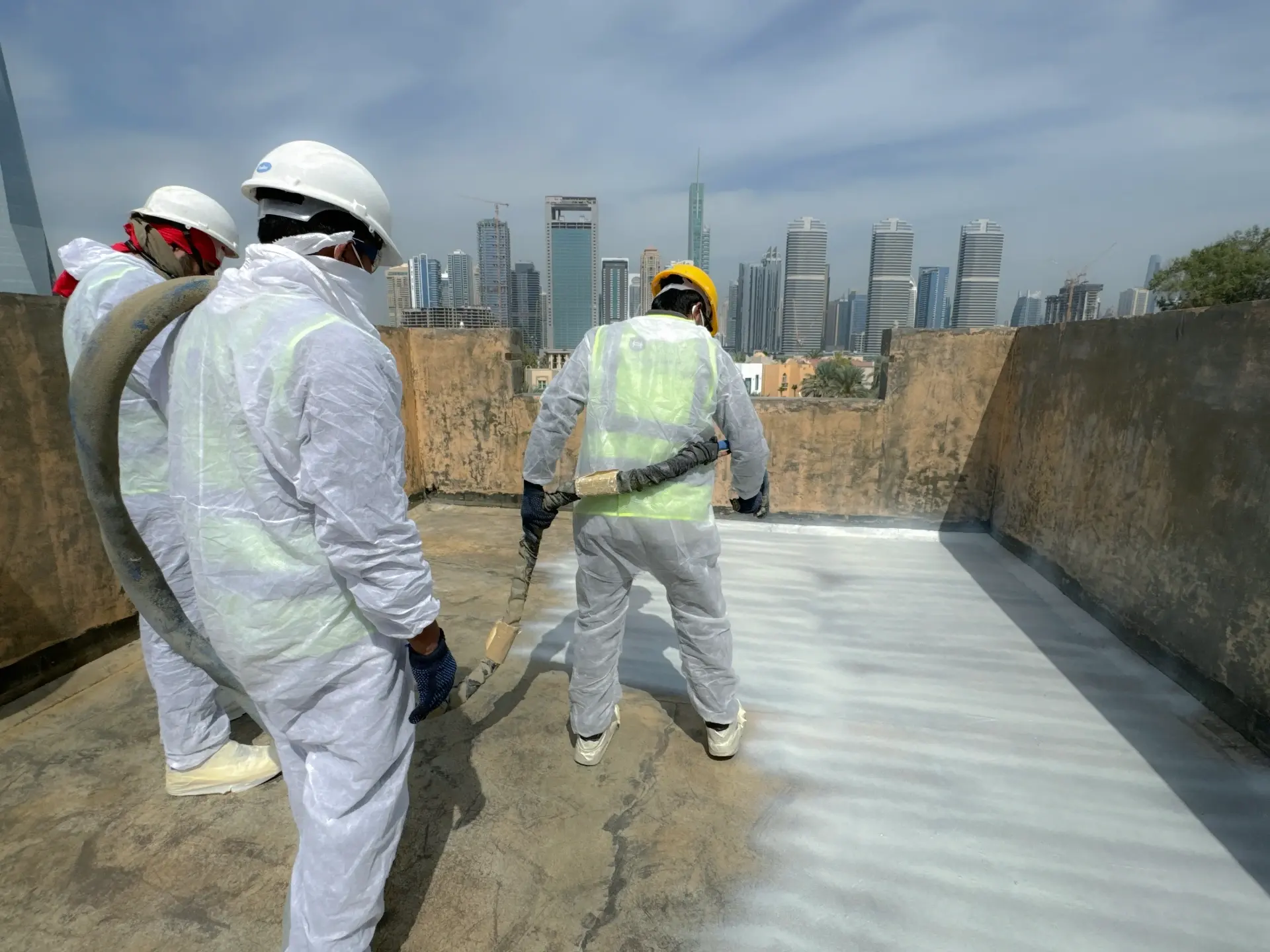
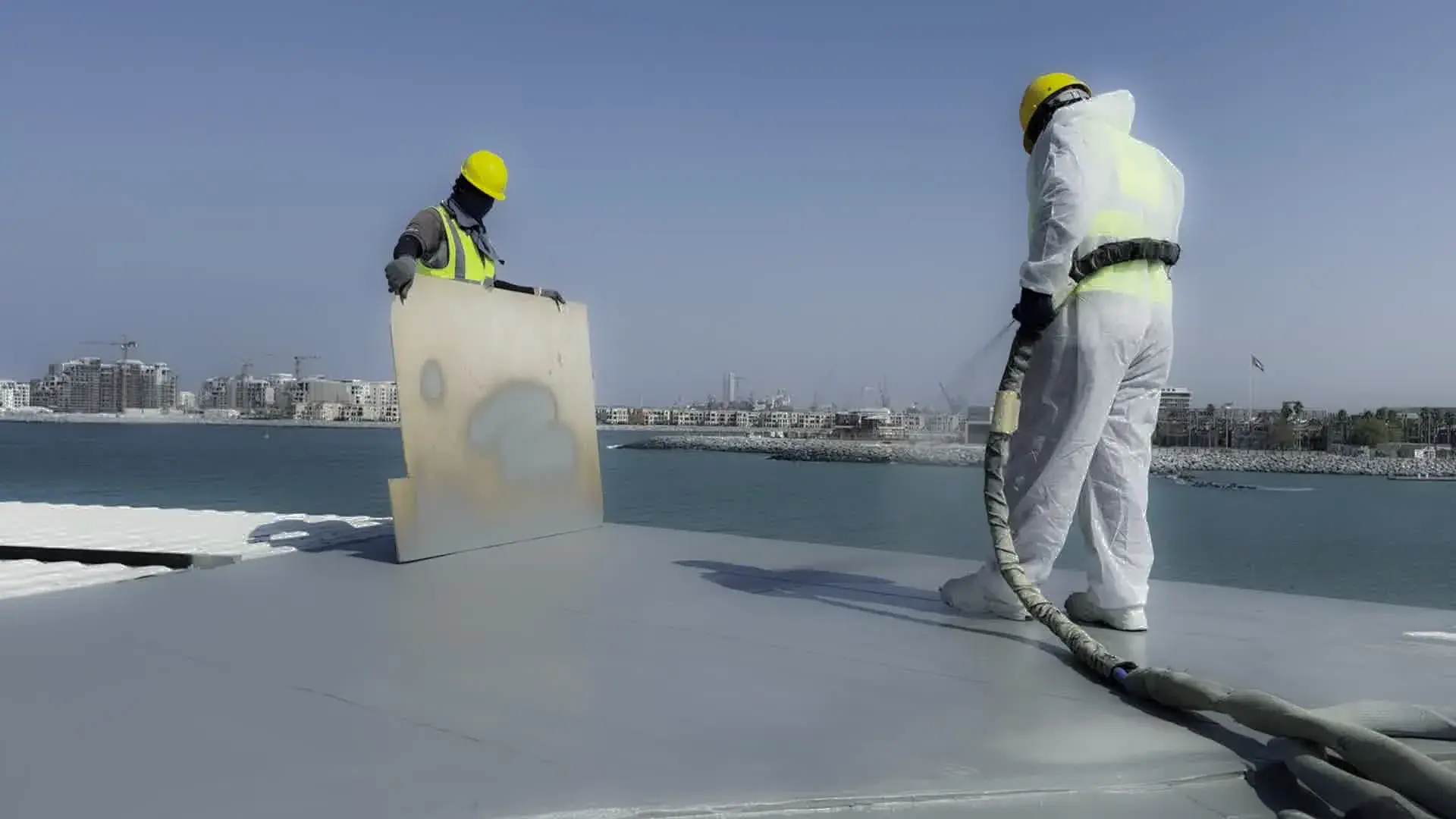
Spray-applied membrane systems specified for the substrate, preparation and exposure conditions.

Reflective finishes selected around roof exposure and the building’s thermal requirements.

Complete concrete repair and reinforcement before waterproofing — addressing root causes, not just symptoms.

State-of-the-art plural-component spray systems ensure exact mixing ratios for optimal coating performance.

Moisture investigation and the appropriate treatment scope for affected indoor areas.

Curing, recoat and return-to-use requirements are agreed for the selected system and site conditions.
The inspection approach and tools are selected around the property, access and the concerns being investigated.
Professional moisture meters for accurate measurement of moisture content in walls, floors, and ceilings.
Flexible inspection cameras to examine hard-to-reach areas behind fixtures and in cavities.
Thermal imaging supports an assessment of temperature patterns; findings are considered alongside site conditions and other checks.
Digital anemometers for measuring air flow, velocity, and HVAC system performance.
Electrical checks included where relevant and agreed within the assessment scope.
Photographs, findings and agreed next steps recorded for the property assessment.
Confirm the accessible areas, inspection limits and specialist investigations required for your property.
Halo Shield's flagship system is a fully seamless, high-performance protection system engineered for the UAE's harsh climate.
A specified protection system.
Preparation, detailing, the selected materials and installation checks work together. Confirm performance requirements against the proposed product information.
Explore the functions below. Your project specification determines the products and layers required.
Discuss the appropriate LuxGuard specification for your property.
Request a LuxGuard™ 360° ConsultationA coordinated scope covering the areas and interfaces your property needs.
Complete overhead protection against heat, UV, and water ingress.
Full envelope defense from moisture and environmental damage.
Below-grade waterproofing and comprehensive moisture control.
Joints and penetrations assessed and detailed for the selected protection system.
Water containment and advanced protection systems.
Long-term concrete protection and structural preservation.
Confirm the treatment areas, interfaces and exclusions in the written scope.
Set the checks in the proposal, before work begins. The appropriate test depends on the surface, system and building constraints.
Agree the substrate survey, preparation and repair scope. Identify moisture or adhesion checks where the chosen system requires them.
Record the specified products, application conditions and detail treatment. Confirm how coating thickness and coverage will be checked.
Agree the appropriate water, leak or lining test and acceptance criteria. The method must suit the structure, drainage and intended use.
Scope drawings or marked photographs, product information, installation photographs, applicable inspection and test results, snag close-out, maintenance instructions and the issued warranty.
Halo Shield advertises up to 25-year protection assurance. The issued project document determines the actual duration, covered areas and conditions.
A quote starts with the measured treatment area, condition and chosen system. Property value alone does not establish the work required.
For an illustrative 100 m² roof, record the roof area separately from upstands and other details. List the condition of existing layers, repair quantities, preparation, membrane and finish, outlets and penetrations, access and testing. An overlay and a full strip-out are different scopes. The inspection determines which is suitable.
This is an example of the information needed to price a scope. It is not a completed-project cost or a Halo price quotation.
Tell us where the problem appears and what needs attention. You can start without drawings or an exact measurement.
Confirm the provider’s scope, technical responsibilities and documents before agreeing the works.
Record how additional work will be priced, approved and added to the programme.
A clear scope and written records support an informed decision.
Ideal for Villas in:
Clear answers for property owners who want long-term protection, not repeated waterproofing repairs.
Halo Shield provides waterproofing as part of a wider property protection service. The team assesses the building envelope, moisture paths, joints, movement and existing repairs before recommending waterproofing or protective coatings for the affected areas.
A repair can fail when the source was not identified, the substrate was not properly prepared, the selected product is unsuitable, or joints, drainage and penetrations were left unresolved. Heat, UV, movement and standing water are exposure conditions to consider in the specification. Assess the existing system before deciding whether a local repair, overlay or replacement is appropriate.
A new villa does not automatically need a replacement waterproofing system. An assessment can identify defects, drainage issues or vulnerable details and establish whether any intervention is needed. Share existing handover reports, repair records and developer warranty information before agreeing additional work.
Previous waterproofing does not automatically require full replacement. Review the source of any recurring leak, the condition and compatibility of existing layers, drainage and nearby interfaces. The assessment should establish whether local repairs, a compatible overlay or removal and replacement are appropriate.
LuxGuard 360° is Halo Shield’s protection system. The proposed build-up should identify preparation, compatible materials, treatment of details and the finish required for the exposure and use. Review product data and project-specific performance requirements rather than assuming that every application has the same layers, curing time or warranty.
Compare measured areas, preparation, repairs, specified materials, detail treatment, access, testing, reinstatement and warranty terms. A low headline rate may cover a different scope. Ask each provider, including Halo Shield, to identify exclusions and provisional allowances so the proposals can be compared fairly.
The programme depends on the treatment area, access, existing layers, repairs, chosen system, weather and testing requirements. Ask for the work zones, access restrictions and curing or return-to-use dates in the proposal. Surface cure alone should not be treated as permission to reopen every treated area.
The price depends on the measured area, the cause of the leak, existing coatings, preparation and repairs, the specified system, access and any reinstatement. Ask for an itemised scope covering joints, drains and penetrations, testing, waste removal and exclusions. Confirm VAT, access equipment and any building fees separately. A property assessment is needed before Halo Shield can confirm a project price.
The applicable duration and coverage must be confirmed in the written project warranty. Ask who issues it, which treated areas and materials it covers, what workmanship protection is included, and which maintenance conditions, exclusions and claim procedures apply. The advertised maximum should not be assumed to apply to every property or treatment.
Send the Dubai building or community, property type, photographs of the affected area, when the leak or dampness appears, and details of previous repairs. Approximate area, roof or terrace access information and any inspection reports help define the visit. You can start an enquiry without drawings or an exact measurement.
The first step is a 360° Structural Protection Assessment. It gives you clarity on risks, root causes, and the long-term protection strategy for your property.
Book a private property assessment and let our experts inspect your waterproofing risk, explain the right protection strategy, and provide clear next steps.