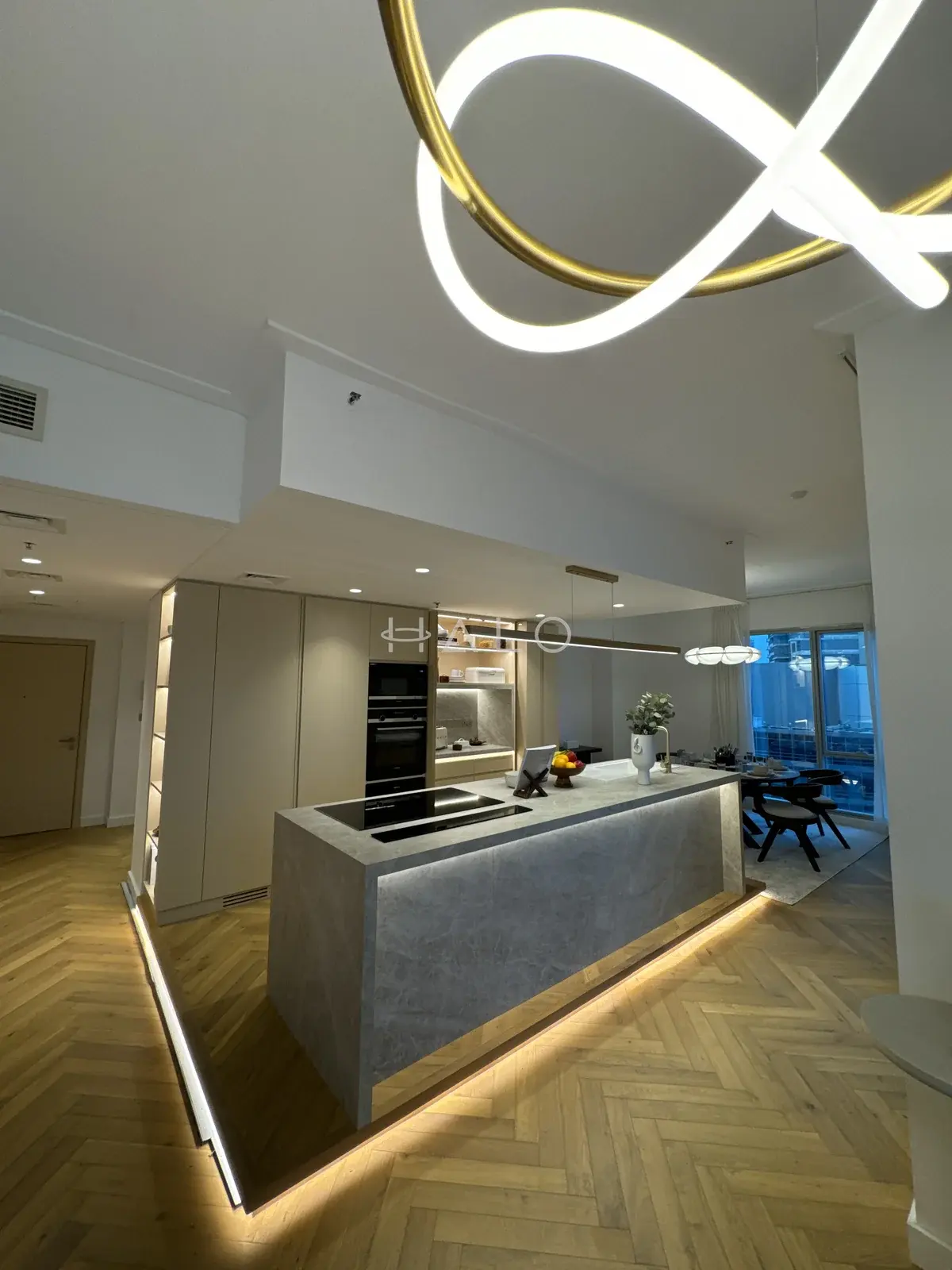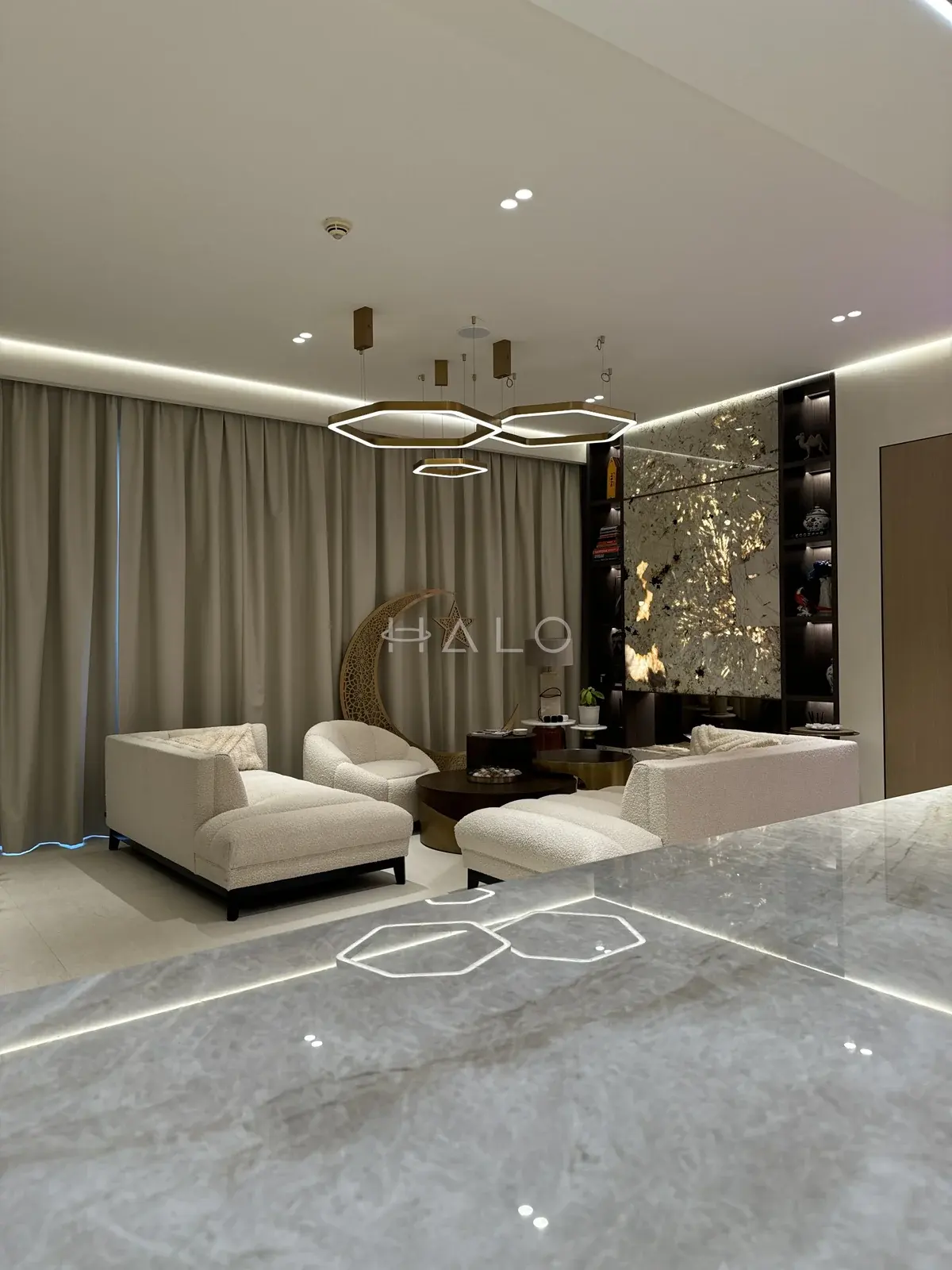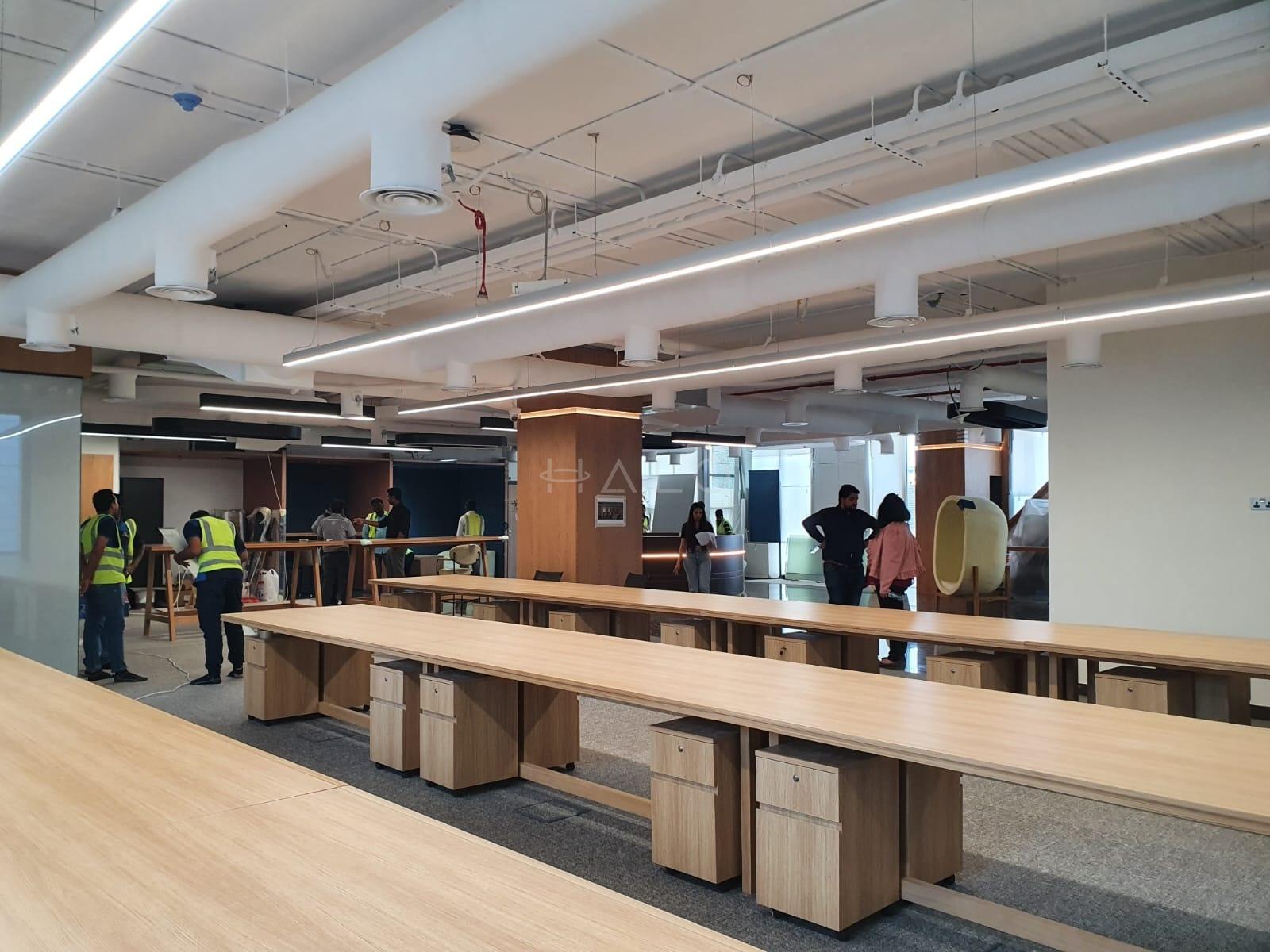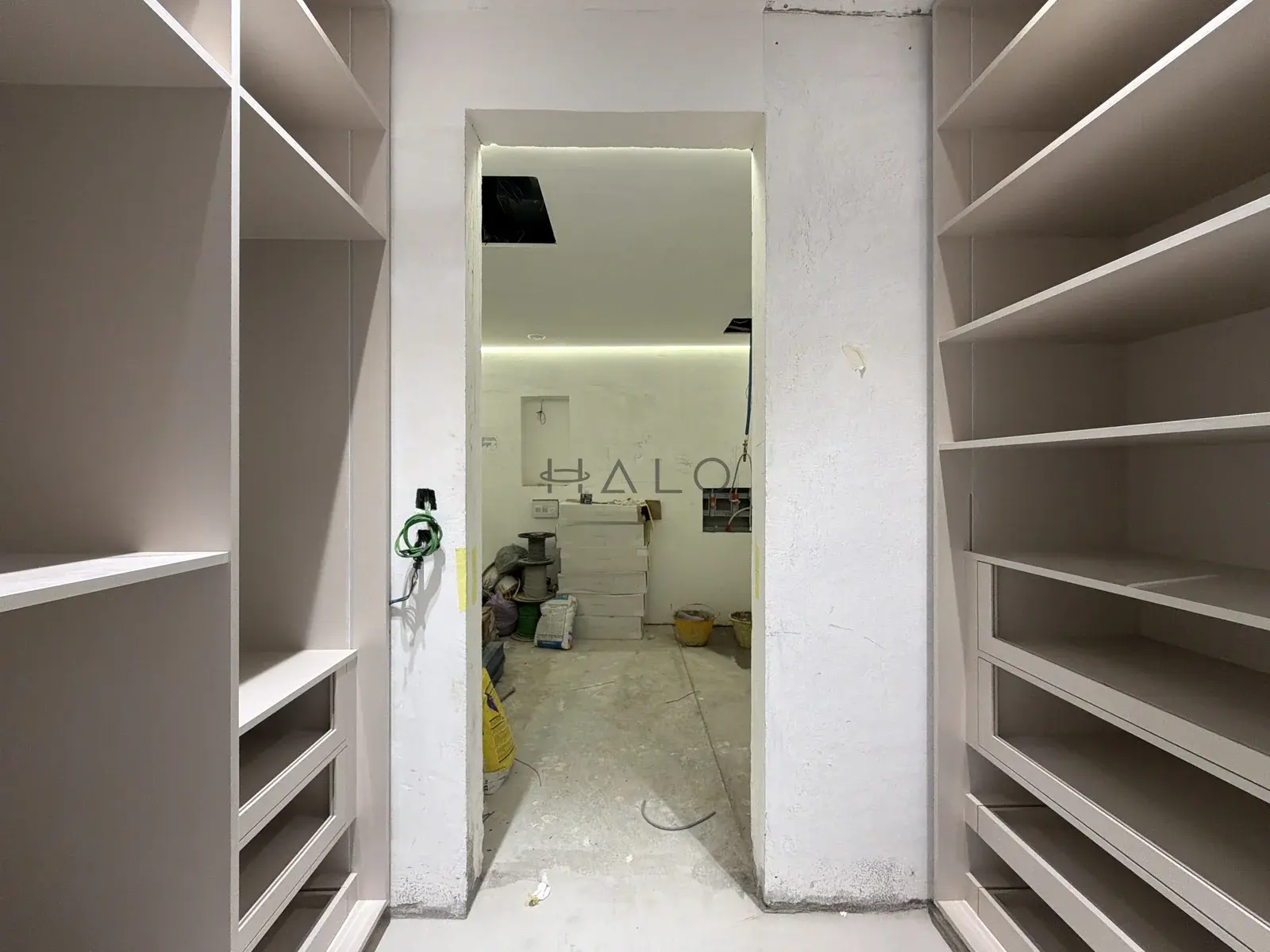
A joinery production package should explain how an agreed design will become a specific piece of fitted work. Start by identifying what the concept is asking for, then resolve the decisions the workshop cannot safely infer from a picture. Keep the chosen appearance connected to the measured room and the intended use throughout that process.
Halo’s bespoke joinery service in Dubai works from designers’ concepts and drawings, with manufacture in its own workshop. If you are bringing a concept to the team, label which parts are settled and where you want technical development. A clear starting brief helps the designer and joiner recognise the decisions still belonging to each.
Explain what you mean by the reference
Annotate the concept image before asking for production drawings. You may like its proportions and recessed handles while wanting a different internal layout. Say so. Otherwise, a reference selected for one detail can become an instruction to reproduce the whole piece.
Identify the intended surface separately from its colour. A photograph may suggest a timber appearance without establishing the material, grain arrangement or finish. Ask for suitable options and physical samples, then record the accepted direction with the relevant piece.
For a built-in display wall, describe what it needs to hold and which parts should conceal storage. For a wardrobe, provide the storage brief. These are client and designer inputs to develop with the joiner; the workshop should receive the resulting decisions, rather than a set of unexplained inspiration images.
Give each piece a reference before developing the details
Mark every proposed item on the room plan and keep the reference on its elevations and samples. Distinguish repeated units from pieces that only look alike. A cabinet against a wall and one ending beside a doorway may need different end treatments even when their fronts match.
Ask the team to identify the survey information behind the developing design. If a wall finish or floor level is still changing, keep that dependency visible. Agree who will supply the final information and which parts of the design can progress while it remains open.
Next, bring in the people responsible for anything the joinery will enclose or meet. Lighting, equipment and adjacent stonework need their relevant specialist inputs. Have the team resolve those interfaces in the coordinated design before treating the cabinet as an isolated manufacturing item.
Assemble an index the receiving team can follow
The package index can be short. Its purpose is to make the connection between each item and the documents defining it easy to follow.
| Package entry | What it should identify |
|---|---|
| Item and location | The piece reference and its position on the current room plan. |
| Developed design | The relevant drawing revisions, including sections needed to explain construction and interfaces. |
| Agreed appearance | Physical sample references and any accepted mock-up or visible grain arrangement. |
| Specialist inputs | Equipment information and coordinated details received from the responsible parties. |
| Decisions still open | The question, person responsible and effect on the proposed manufacturing release. |
Ask the joiner which additional workshop documents they prepare internally. Cutting information and fabrication methods belong with the manufacturer. The client-facing package should still leave you able to identify what design and finish have been authorised.
Review changes across the whole item
A revision to the outside can affect the inside. If you increase a cabinet’s depth, ask the team to revisit its relationship with the room and the selected hardware. If a new finish replaces the accepted sample, confirm which visible faces and edges the change covers.
Keep a decision record that names the affected item and superseded reference. A message saying that a colour has changed is incomplete if nobody can tell which pieces it applies to. Have the project lead coordinate the revised instruction before the workshop relies on it.
Once the design is developed, use Halo’s joinery shop-drawing review checklist for the detailed approval meeting. That is the point to review the finished drawing set, rather than using the production release to settle an unfinished concept.
Make the handover explicit
Request a package issue that identifies the items ready for manufacture and those still awaiting information. Where release is conditional, ask the manufacturer which operations can proceed and which must wait. Keep that response with the current index.
Bring the concept images, room plan and labelled design questions when discussing a joinery commission with Halo. Include the designer and relevant specialists in the handover so the workshop receives one coordinated account of what it is being asked to make.