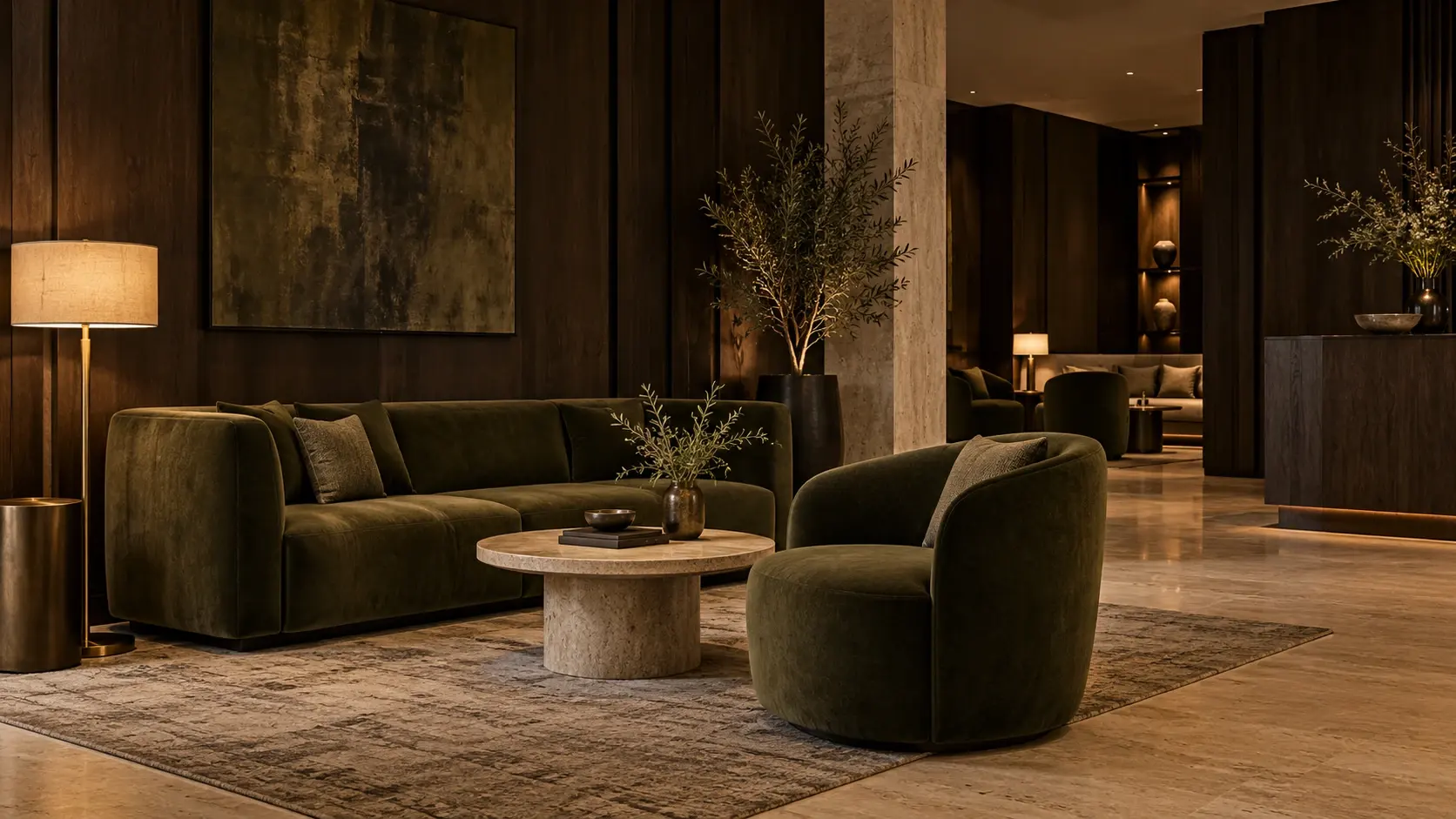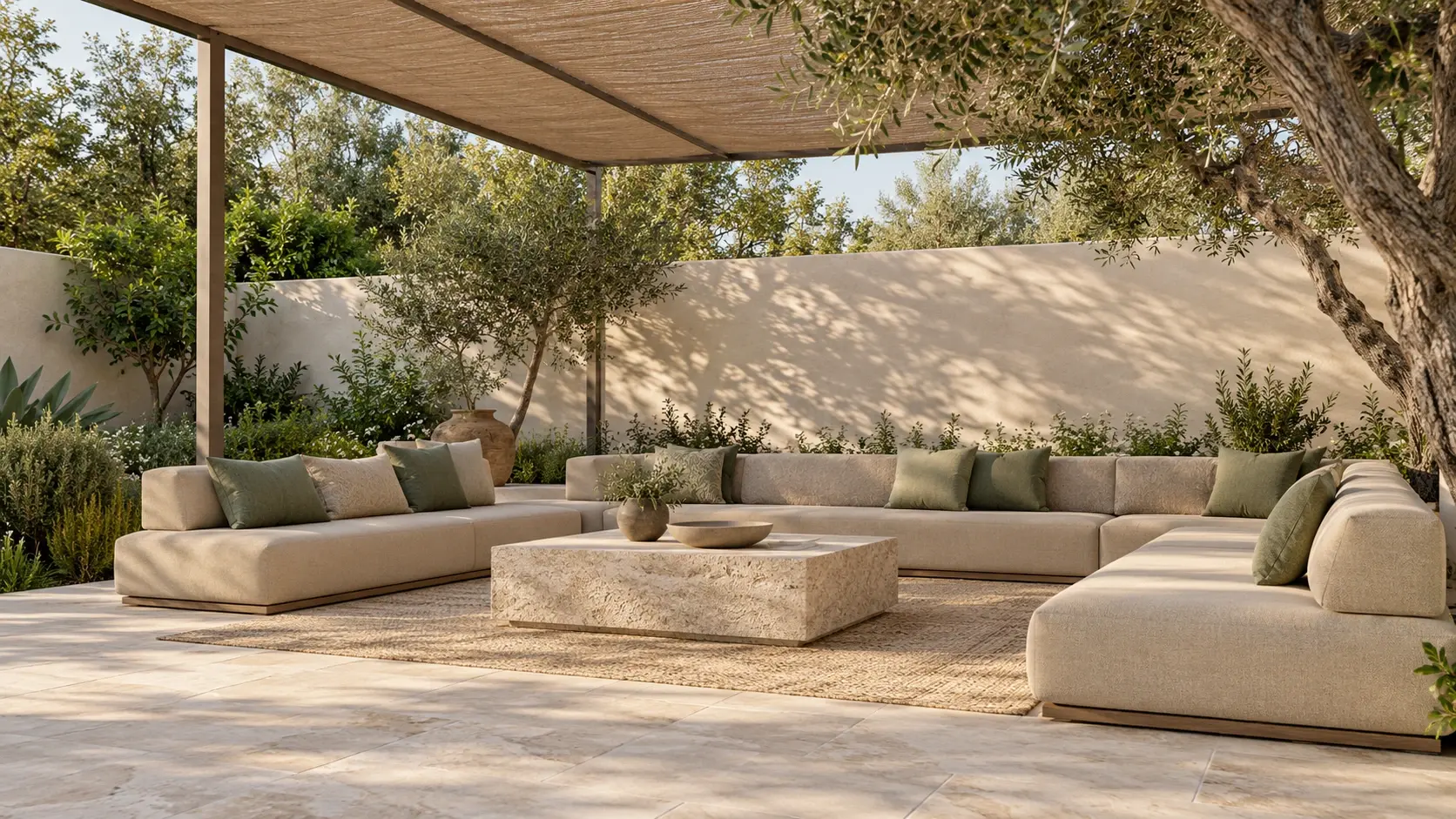
In Dubai, the quality of a paint job is decided before a single brushstroke is applied. The substrate beneath the paint, the primer specification, the moisture readings in the wall, and the way existing coatings are treated all determine whether a finish lasts three years or thirteen. The paint product itself matters, but two contractors applying identical materials to the same wall will produce radically different results if one has properly addressed adhesion, surface integrity, and climate-appropriate priming while the other has not.
What Actually Determines a Paint Finish in Dubai
We are Halo Interiors LLC, and we have been delivering painting and interior fit-out projects across Dubai since 1996. With more than 1,200 projects completed, Dubai Municipality approval, and DEWA certification, our team brings a level of specification discipline that goes well beyond selecting a tin of paint. Every project we assess begins with a qualified site survey, not a price quote, because the survey is what makes the price meaningful.
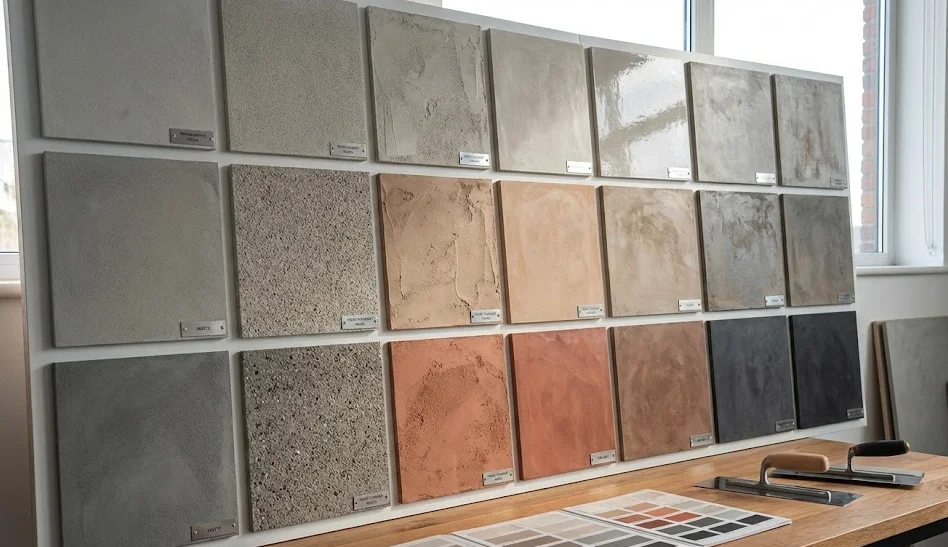
This guide covers the full range of painting services available for Dubai properties, from standard interior and exterior repainting through to specialist decorative wall and floor finishes. The specialist tier, including microcement, marmorino, limewash, and Venetian plaster, is delivered through our dedicated decorative finishes division, DecoPaint. If you are considering a decorative finish and want to see physical samples before committing, you can request them from the DecoPaint studio.
Why Surface Preparation Decides Every Dubai Painting Project
Paint is the final ten per cent of the job. The substrate beneath it, the primer specification, the moisture readings in the wall, and the quality of the fill work determine whether a finish holds for a decade or begins failing within months. Treating paint selection as the primary decision is the single most common mistake we see on Dubai properties, and it is the reason so many repaints require a full remediation rather than a refresh.
Substrate Failures Common to Dubai Properties
Dubai's built environment presents a specific set of substrate problems that do not appear with the same frequency elsewhere. Hollow render is widespread, particularly in older villas and mid-rise apartments where thermal cycling has caused the render coat to separate from the masonry behind it. Painting over hollow render without mechanical intervention means the entire top coat is bonded to a layer that is already detaching. On coastal properties across Palm Jumeirah, Dubai Marina, and JBR, salt crystallisation is a distinct failure mechanism: salt drawn through the wall by moisture evaporation expands as it crystallises just beneath the surface, lifting and blistering paint from the inside outward. No amount of surface repainting resolves this without addressing the source. Hairline cracks in gypsum board, caused by building movement and thermal expansion, will telegraph through any coating applied without correct filling and flexible priming. Previous paint layers applied over damp substrate are perhaps the most common failure we encounter on renovation projects, presenting as broad areas of staining and delamination that owners often mistake for a product quality issue.
The Preparation Sequence We Follow
Our process begins with a full inspection of every wall and ceiling surface before materials are specified. We tap-test rendered walls to identify hollow sections and use moisture meters to establish baseline readings across all substrate types. Failed render sections are ground out mechanically rather than painted over or patched cosmetically. Cracks are filled, allowed to cure, and sanded flush before any primer is applied. We use alkali-resistant primers on all masonry and cement-based surfaces, which is non-negotiable in Dubai's high-pH substrate environment. A final moisture-content check confirms that no wall exceeds safe thresholds before the top coat is applied. Surface preparation is the critical determinant of coating adhesion and long-term durability, and our sequence is designed so that every step is verified before the next begins.
Why Cutting Preparation Is a False Economy
When preparation is skipped or compressed to reduce cost or programme time, the visible failures that follow cannot be resolved with a touch-up coat. Peeling, blistering, and staining require a full strip-back to bare substrate, new filling and priming, and complete re-application. The cost of that remediation typically exceeds what a properly prepared first job would have cost. We have been called to assess properties where a low-cost repaint had failed within a single humid summer season precisely because salt crystallisation and damp were painted over rather than treated. The investment in preparation is not an optional premium; it is what determines whether the project is a one-time cost or a recurring one.
One Team, No Handover Gaps
Our 75 employed carpenters and painters at our 15,000 sq ft Al Quoz facility carry out all preparation and application work without any subcontracting. The same team that identifies substrate failures during the initial inspection is the team that grinds, fills, primes, and applies the finish coat. There are no handover points where accountability transfers between parties, which is where quality losses typically occur when preparation is performed by one contractor and painting by another. For a detailed view of how our preparation standards translate into finished results, our completed project portfolio illustrates the range of Dubai properties we have worked across, from coastal villas to city-centre apartments.
Dubai Conditions That Affect Every Painting Specification
Coastal communities place the most demanding conditions on any paint specification. In locations such as Palm Jumeirah, Dubai Marina, JBR, and the Emirates Hills waterfront, salt-laden humid air works continuously against exterior paint films. Salt crystals carried in the air penetrate porous masonry and, when moisture cycles through the substrate, they expand and contract beneath the surface. This process, known as efflorescence, pushes salts through the paint film and causes it to bubble, flake, and delaminate. The correct specification response is a moisture-vapour-permeable exterior coating that allows substrate moisture to escape outward without lifting the film from below. Standard masonry emulsions lack this property and will fail prematurely in coastal exposures regardless of how well they are applied.
UV exposure compounds the challenge for every exterior elevation across Dubai, not only in coastal zones. Year-round intense solar radiation degrades the binders in standard exterior emulsions significantly faster than in temperate climates, causing chalking and colour fade within a short service life. South- and west-facing facades carry the highest radiation load and demand UV-stable, fade-resistant formulations specifically engineered to retain their binder integrity under sustained solar stress. Choosing an exterior coating for Dubai is a technical decision, not simply an aesthetic one.
Summer heat introduces a further practical constraint on exterior painting programmes. Rendered and masonry wall surfaces in Dubai absorb and retain heat to a degree that the surface temperature during June to September substantially exceeds the ambient air reading. Applying paint to an overheated substrate causes solvent and moisture to flash off too rapidly, preventing correct film formation and creating the conditions for blistering and adhesion failure. We schedule all exterior work outside peak summer months to protect both the application quality and the long-term performance of the coating. Applying the right product within the correct temperature window matters as much as the product selection itself.
For occupied properties, the priority shifts to indoor air quality. Where families remain in residence during repainting, solvent-based products present a genuine health concern through volatile organic compound (VOC) off-gassing. Our DecoPaint division uses only low-VOC water-based primers and sealers as standard on every interior project, providing safe working conditions for residents, children, and pets throughout the process.
Scheduling is the final variable that occupied villa and apartment projects require careful thought around. We sequence work room by room, completing and ventilating each space before moving to the next, so residents are never displaced from the entire property simultaneously. During Ramadan, we adjust working hours and noise-generating preparation activities accordingly, and we plan weekend access around resident preferences from the outset. Phased sequencing of this kind requires precise coordination but it is the only responsible way to deliver a quality result inside a home that remains lived in throughout.
Standard Interior and Exterior Painting in Dubai
A standard interior repaint with our team follows a defined sequence that protects the finished result at every stage. We begin with full protection of floors, furniture, and fixed fixtures, followed by careful masking of all edges. Primer application runs to one or two coats depending on surface porosity and the extent of colour change; a deep-colour changeover or a previously unpainted surface always warrants the second primer coat to ensure uniform adhesion. Two finish coats of interior emulsion follow, with edge detailing to cornices, skirting boards, and door frames handled by cut-in brush work rather than roller application. That distinction matters: a roller pulled past a cornice leaves a visible ridge, whereas a skilled painter cuts in cleanly against the plaster profile for a result that reads as precise under raking light.
For exterior repaints, we start with pressure washing to remove accumulated dust, chalking, and surface contamination before any coating is applied. Render cracks are filled and allowed to cure fully, then an alkaline-resistant primer is applied across the masonry substrate. Two coats of weatherproof exterior emulsion complete the system. Balcony soffits and parapet tops receive particular attention during both preparation and application. These surfaces are where water ponds during intense UAE rainfall events; without adequate film build and correctly specified product, they are consistently the first areas to blister or delaminate on a Dubai elevation.
Project sequencing is shaped by whether the property is occupied or vacant. For occupied villas, we work room by room, keeping disruption contained to one area at a time and allowing residents to continue using the rest of the property. For vacant properties, a floor-by-floor sequence allows the crew to work at maximum efficiency. Within each space, the order is fixed: ceilings before walls, walls before woodwork. Painting woodwork last means trims and skirting boards are cut in against a fully dry wall colour, producing a clean boundary without bleed. Every project closes with a formal walkthrough alongside the client, addressing any snags before we consider the work complete.
Colour direction is an integrated part of our briefing process rather than an afterthought. Our team assists with palette selection aligned to the existing or planned interior design scheme, drawing on the full range of styles represented across our work: contemporary, neoclassical, Japandi, Arabian, Mediterranean, and others. Colour decisions made in isolation from the architecture, joinery, and lighting in a space frequently look correct on a swatch and wrong on the wall; we address that by reviewing selections in context.
Completed standard and decorative paint projects are documented in our Dubai interior and exterior painting portfolio, providing a practical visual reference across property types and design styles before you commit to a specification.
Specialist Decorative Finishes in Dubai via DecoPaint
Where a standard repaint reaches its ceiling, our decorative paint services at the specialist tier begin. DecoPaint is Halo's dedicated decorative finishes division, established in 2010 and now with over 500 completed projects and 15 or more artisanal finishes delivered across all seven emirates. Every completed project carries a 5-year written warranty, and every surface is applied by our own in-house crew — no subcontractors, no franchised applicators.
The Four Finishes That Define the Specialist Tier in Dubai
Microcement is a continuous, jointless coating composed of cement, water-based resins, additives, and mineral pigments. It is applied directly over existing floors, walls, stairs, and wet-room surfaces without tile removal, making it particularly practical for occupied Dubai apartments and villas undergoing phased renovation. The sealed result carries a powdery, monolithic stone quality that suits open-plan living spaces and bathrooms with equal effect. Indicative pricing for microcement floors and surfaces runs from AED 280 to AED 420 per square metre, with position in that band determined by substrate condition, panel complexity, and site access.
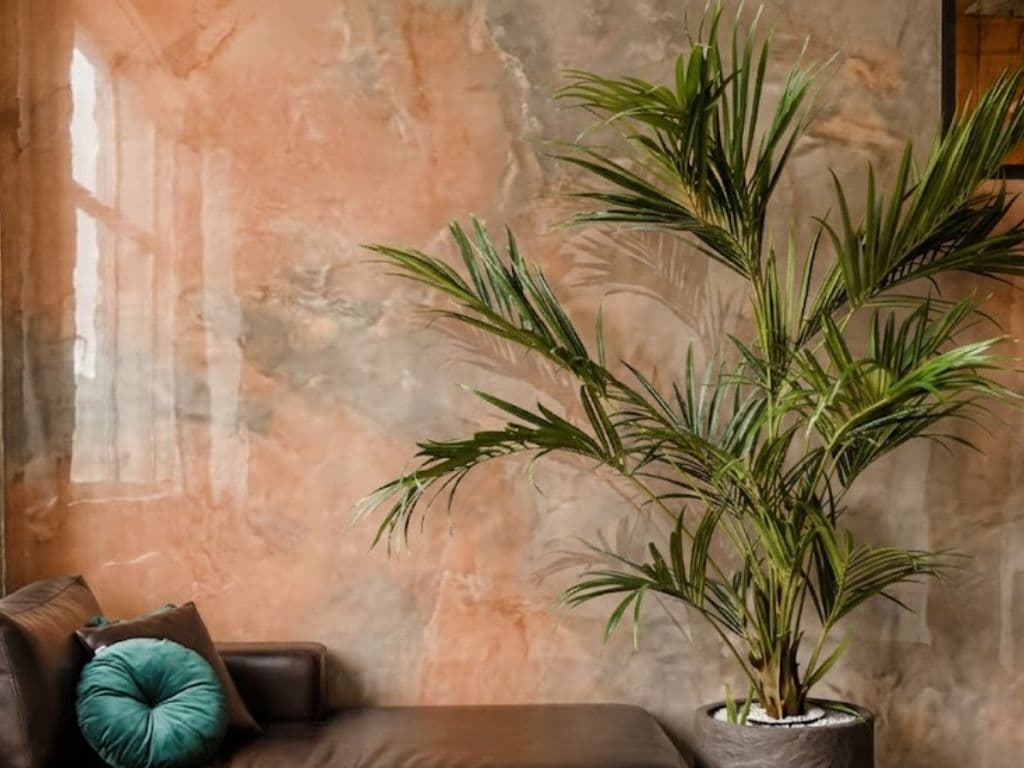
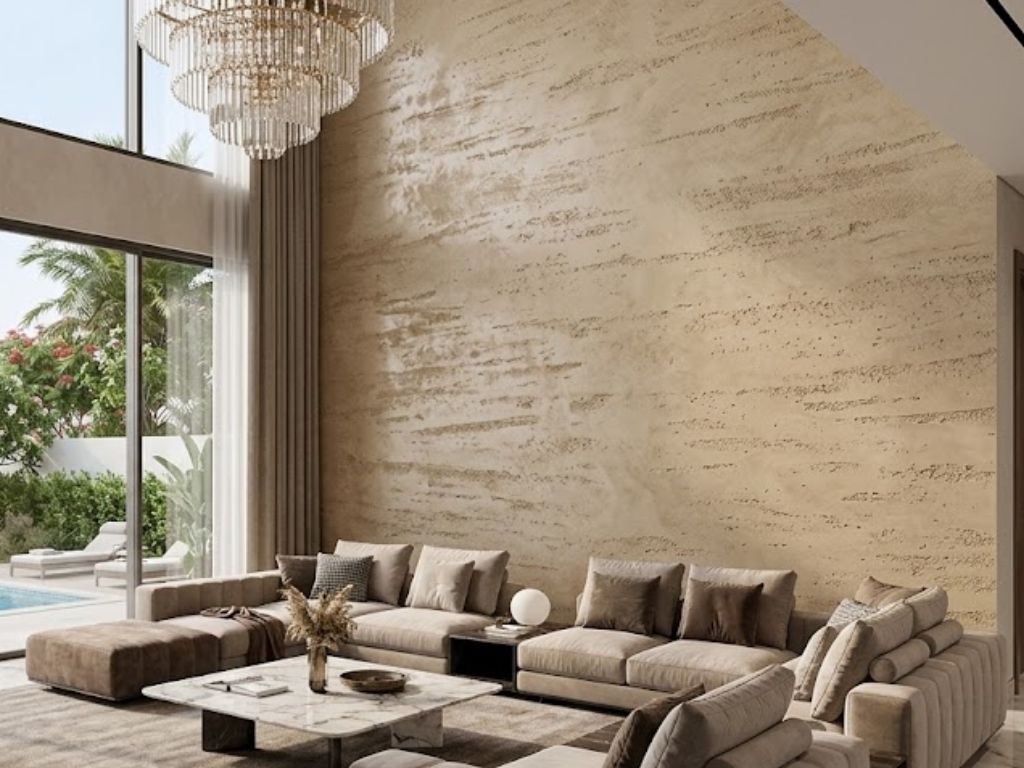
Marmorino is a traditional Italian lime plaster incorporating ground white marble. Applied by trowel across multiple coats, it produces an aged, weathered-stone surface with a soft matte-to-satin finish. In Dubai villa and apartment projects, marmorino wall finishes are most frequently specified for entrance lobbies, feature walls in reception rooms, and architectural columns where the material's depth and tonal variation read clearly at scale.
Limewash is applied in layered coats by brush, building up the soft, chalky, cloud-like quality associated with aged Mediterranean interiors. Its breathable, hygroscopic nature makes it well-suited to air-conditioned Dubai spaces, where it reduces the surface condensation that can compromise conventional paint films over time. Limewash finishes are frequently chosen for living room accent walls and exterior courtyard elevations in villa projects.
Venetian plaster is a burnished lime plaster technique requiring two to four coats and up to five days on site. The hand-burnishing process creates a marble-like luminosity that no paint product replicates. It is among the most technically demanding finishes we apply, and consistency across a single wall panel depends entirely on the applicator maintaining the same trowel pressure, timing between coats, and burnishing action throughout.
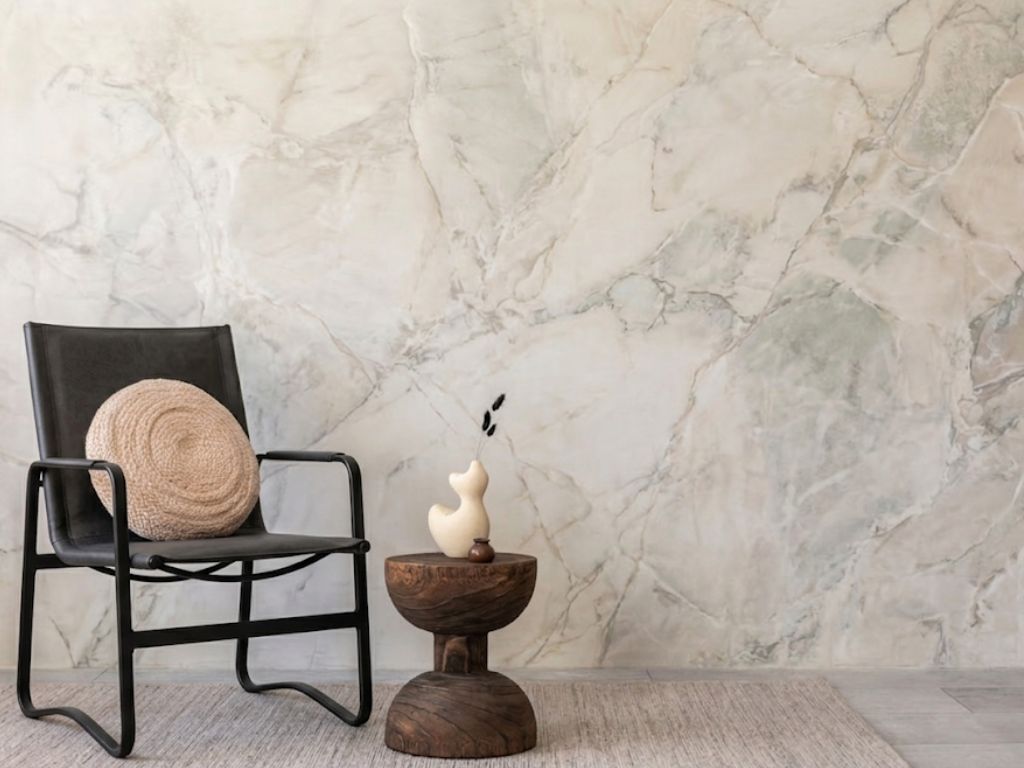
Wall finishes including marmorino and limewash are priced from AED 180 to AED 320 per square metre, with the same variables — substrate condition, panel geometry, and access — determining where a project sits within that band. To see completed examples across all four finish categories, view the DecoPaint portfolio.
Why the No-Subcontracting Model Matters for These Finishes
Multi-layer mineral finishes are unforgiving of inconsistency. Any variation in technique between applicators working on the same surface produces visible tonal differences in the cured finish. Every DecoPaint applicator carries a minimum three years of hands-on, trowel-based experience before working on a client site. This is not a preference; it is the operational requirement for delivering results that hold under warranty.
All primers and sealers used across the DecoPaint range are low-VOC and water-based, making them safe for occupied Dubai homes including properties with children and pets. As wellness-oriented residential design becomes an increasingly defined priority in the Dubai luxury villa segment, specifying finishes that contribute to indoor air quality rather than compromising it is no longer a secondary consideration. It is a primary one.
Commercial Painting in Dubai Offices, Clinics and Retail Spaces
Commercial painting in Dubai operates under a different set of demands than residential work. Programmes are fixed around trading hours, tenancy agreements, and landlord access windows, which means our teams routinely work nights, weekends, and phased shifts to deliver finished spaces without disrupting active operations. Dust containment is not optional in these environments; a clinic cannot tolerate airborne particulate near treatment rooms, and a restaurant cannot pause service for surface preparation. We seal off working zones, use negative-pressure dust barriers where required, and sequence each phase to hand back functional areas progressively rather than shutting down an entire floor.
Sector-Specific Surface and Finish Demands
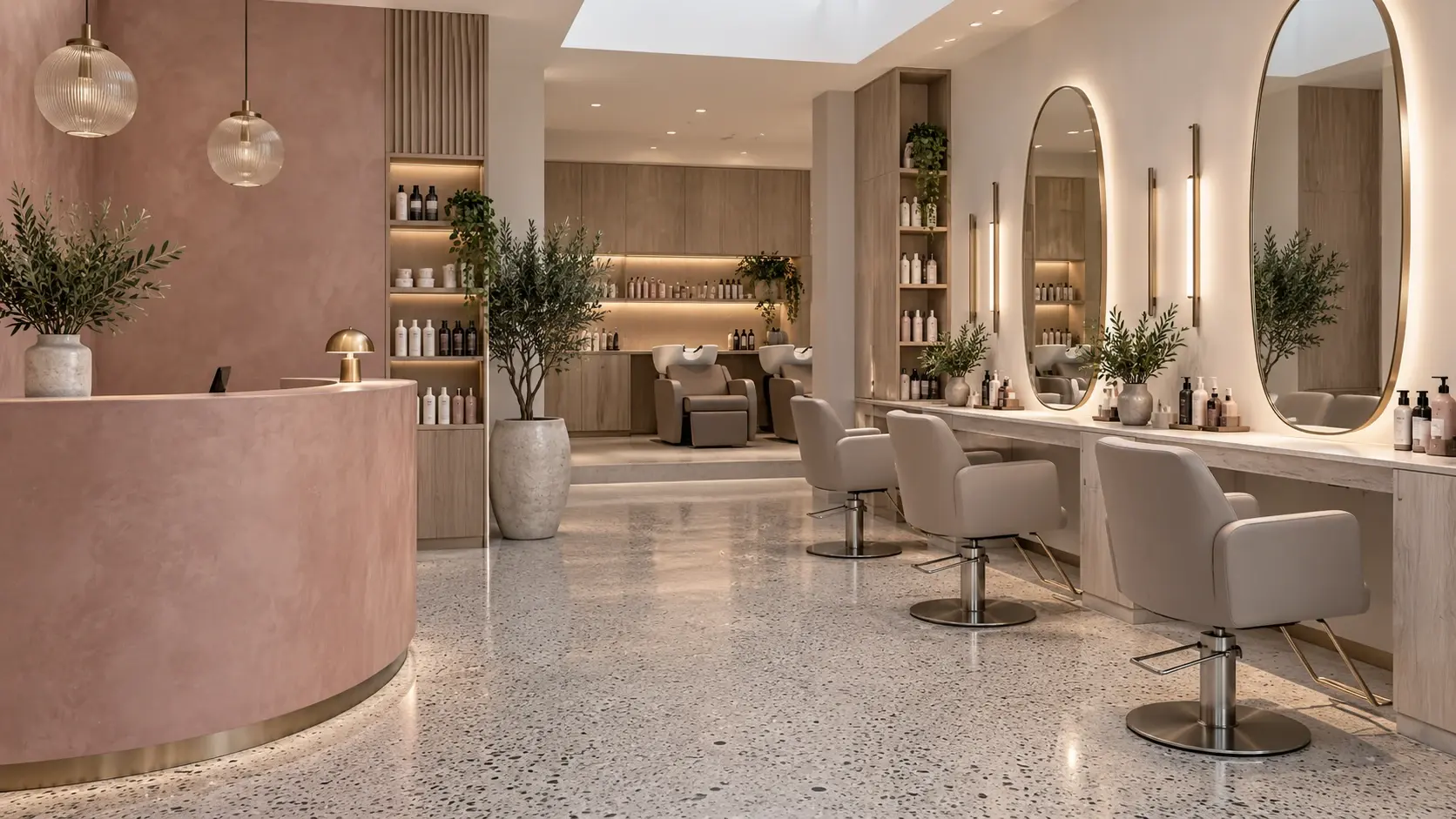
Each commercial sector carries distinct finish requirements that a standard painting contractor is unlikely to anticipate. Offices require durable, cleanable wall surfaces that can carry a brand colour palette without looking flat or institutional. Clinics demand scrubbable, moisture-resistant finishes with low chemical off-gassing, given the air quality sensitivities of healthcare environments. Gyms require coatings that withstand high humidity, condensation, and physical impact, particularly at lower wall zones and floor transitions. Salons present a chemical exposure challenge: haircare and treatment products are corrosive to under-specified finishes, and repainting every eighteen months is simply not a workable model for a trading business. Retail and F&B spaces need finishes that reinforce a considered brand environment while standing up to constant foot traffic, cleaning regimes, and the thermal cycling that comes with heavily air-conditioned interiors.
Integration Within the Fit-Out Programme
Where painting is subcontracted out as a separate line item, it almost always creates programme risk. A painter arriving after MEP works are incomplete will either wait, raising costs, or apply finishes over unresolved substrates, creating rework. Our turnkey model eliminates that friction. Painting is formally sequenced within the broader fit-out critical path: substrate preparation follows structural works, priming follows MEP first-fix, final coats follow joinery installation, and touch-ups are completed immediately before furniture and equipment placement. Nothing is handed off to an external party who does not share accountability for the overall handover date.
Our in-house MEP and structural engineers add a quality gate that no standalone painting contractor can offer. During surface preparation, they routinely identify hollow substrates, rising damp, inadequately cured render, and MEP penetrations that require fire-rated sealing before decoration can proceed. Catching those issues before the first coat goes on is the difference between a clean handover and a defect list that reopens a completed space.
Proven at Institutional Scale
Our track record across hotel, retail, and corporate environments in Dubai reflects the operational discipline that commercial painting requires: strict brand specifications, non-negotiable health and safety standards, and zero tolerance for programme slippage in revenue-generating environments. These engagements are delivered under the same in-house model as our villa and apartment projects, with our Al Quoz-based team of painters and the full support of our fit-out, joinery, and engineering capability behind every scope. For businesses and developers planning a commercial fit-out or refurbishment, our full project portfolio illustrates the breadth of environments we work across. To discuss programme requirements and arrange a site visit, contact our team directly or reach us via WhatsApp on +971 55 969 3009.
What to Check Before Hiring a Painting Contractor in Dubai
Choosing the right contractor matters as much as choosing the right paint. Before signing any agreement, there are five concrete checks every Dubai property owner should complete.
Dubai Municipality Approval
DM approval is the baseline legal credential for any contractor performing structural or finishing work on Dubai property. It is not a technicality; it is an operating condition. Ask to see current DM approval documentation before any contract is signed. An expired or absent registration disqualifies a contractor immediately, regardless of how competitive their quote appears. We hold current DM approval, and we present that documentation without hesitation.
DEWA Certification
Many clients assume DEWA certification applies only to electricians. In practice, painting scope frequently intersects with electrical infrastructure, particularly around light fitting surrounds, panel rooms, and service risers. Where that overlap exists, the contractor must hold current DEWA certification. We do, which removes a common but overlooked compliance gap on combined fit-out and repainting projects.
Warranty Terms
A verbal warranty is unenforceable. Confirm in writing what is covered (labour, materials, or both), the duration, and which specific failure modes are addressed, including peeling, adhesion failure, and colour fade. Our DecoPaint division offers a verified five-year warranty on all decorative finishes, with documented terms, not a verbal assurance.
Subcontracting Policy
Ask directly whether the applicators who arrive on site are employed by the contractor or sourced as third-party labour. Subcontracted painters carry no continuity obligation. Crews can change mid-project, and on specialist finishes such as marmorino, limewash, or microcement, technique consistency is everything. All DecoPaint applicators are directly employed, with a minimum of three years of hands-on trowel experience, and we do not subcontract.
Portfolio and References
Request documented evidence of completed projects of comparable scope and finish type within Dubai. Generic before-and-after photographs without context are insufficient. Our completed projects are available in Halo's documented project portfolio, giving you verifiable, location-specific evidence before a conversation even begins.
Painting Services in Dubai: Frequently Asked Questions
How long does interior painting take in a Dubai villa or apartment?
A standard three-bedroom apartment typically takes three to five working days for full interior preparation and a two-coat finish. A five-bedroom villa ranges from seven to fourteen days, depending on ceiling heights, surface condition, and whether the property is occupied. Occupied properties take longer because work is sequenced room by room, with daily protection, clean-up, and ventilation requirements added to each session. Properties requiring significant substrate repair or skim work before painting should allow additional time beyond these ranges.
What does painting cost in Dubai?
Standard interior emulsion repainting is priced per square metre of wall area, and the figure varies with surface condition, the number of coats required, and ceiling height. For specialist decorative finishes, our DecoPaint division works to verified AED price bands: microcement floors and surfaces are priced at AED 280 to 420 per square metre, and wall finishes such as marmorino and limewash range from AED 180 to 320 per square metre. These figures reflect the multi-layer application process, the skill level of in-house applicators, and the five-year warranty included with every DecoPaint project. A site visit is required before any fixed quotation is issued, as no accurate pricing can be produced without inspecting the substrate and measuring the scope.
Do I need a DM-approved contractor for painting in Dubai?
For cosmetic interior repainting of a residential tenancy, DM approval is not always a legal prerequisite. However, for any work on a villa held under a title deed, any commercial property, or where painting forms part of a broader fit-out or renovation scope, engaging a DM-approved contractor is strongly advisable and in some cases required by the approving authority. Halo holds current Dubai Municipality approval, which means all documentation required for permit applications and authority submissions is in order before work begins. When evaluating any contractor, asking to see their current DM approval status is a straightforward verification step that protects your position as a property owner.
Can painting work be done while I am living in the property?
Yes, provided the product specification and sequencing are correct. Low-VOC, water-based primers and top coats produce negligible odour, dry rapidly, and are safe for occupied homes; these are the standard specification across all Halo and DecoPaint projects. Work proceeds room by room, so residents continue using unaffected areas throughout the project. Protective sheeting, daily clean-down, and controlled ventilation are part of our standard site management on every occupied property.
What is the difference between standard paint and decorative finishes such as microcement or Venetian plaster?
Standard emulsion applies as a uniform film coat, producing a flat, matt, or sheen surface. Decorative finishes, including microcement, Venetian plaster, marmorino, and limewash, are multi-layer mineral and lime-based systems applied by trowel or brush in overlapping passes, with each layer contributing to the final depth and texture. The result is light-reactive variation and material character that a standard paint film cannot replicate. These finishes are also more durable over time when correctly applied, which is why our DecoPaint applicators carry a minimum of three years' hands-on experience and all work is delivered in-house with no subcontracting. You can view the full range of specialist wall and floor finishes in the DecoPaint portfolio, or request physical samples before committing to a finish.
The Right Painting Specification for Your Dubai Property
Specification and preparation determine whether a Dubai paint job lasts three years or ten. Choose the wrong primer, skip the alkali-resistance coat, or apply finish to a substrate with elevated moisture readings, and the finish will fail regardless of the product applied over it. Get the specification right and every subsequent coat performs as intended across Dubai's demanding conditions.
The tier structure we have outlined throughout this guide reflects how we approach every brief. Standard interior and exterior repainting serves refreshes, pre-sale preparation, and tenancy turnarounds. Specialist decorative finishes via our DecoPaint division address feature walls, microcement floors, and high-specification residential and commercial interiors where standard emulsion processes are insufficient. Both tiers demand the same rigour at the preparation stage; only the finish system changes.
Halo brings 30 years of Dubai operation, DM Approved and DEWA Certified credentials, a portfolio exceeding 1,200 projects, and 75 in-house painters working from our Al Quoz facility, all under one accountable team.