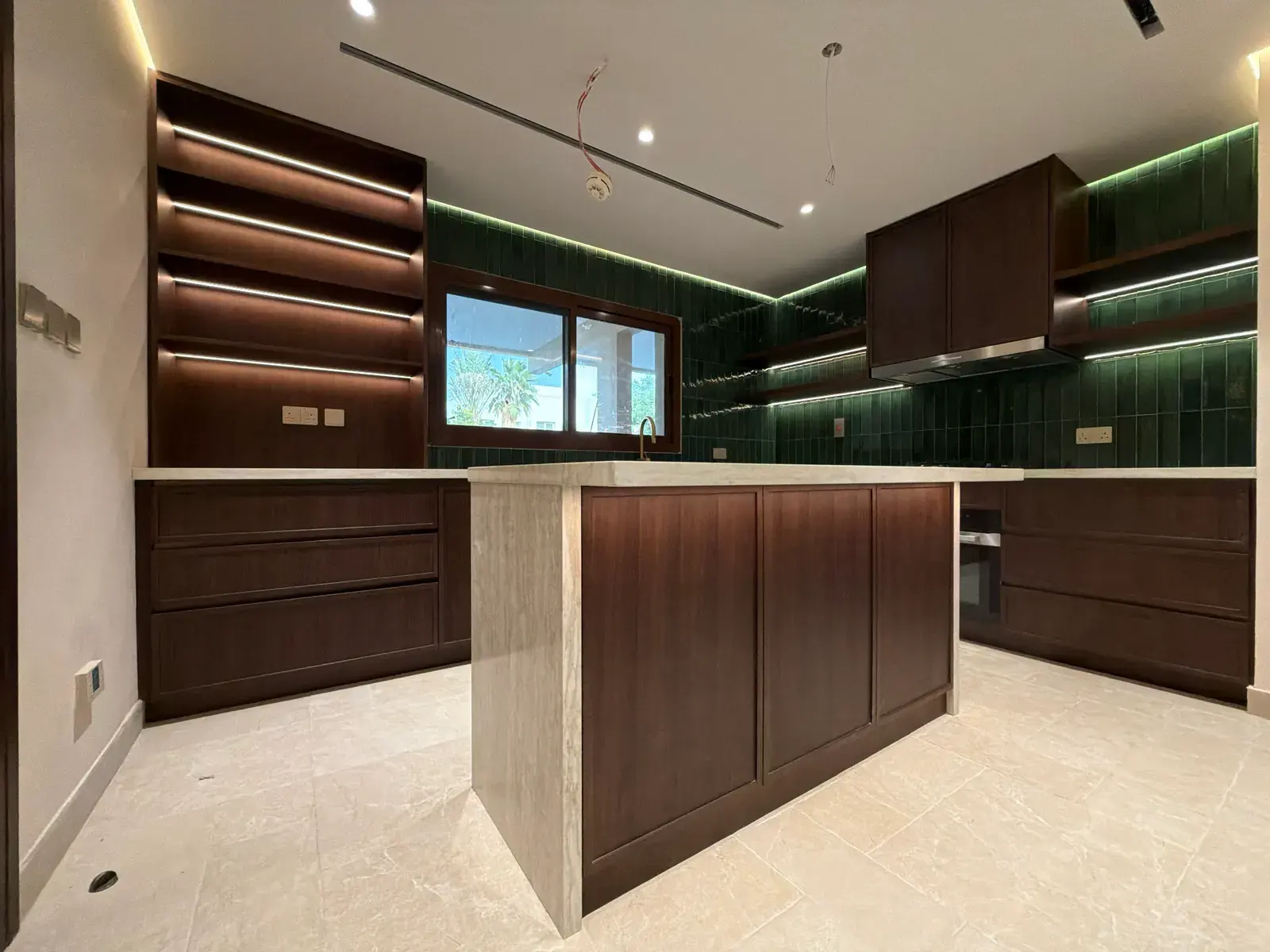
Renovating your home in Dubai is an exciting opportunity, but finding the right professional to bring your vision to life can feel overwhelming. The city's booming real estate market means there is no shortage of contractors, yet not all of them deliver the quality, transparency, and reliability you deserve. One wrong hire can lead to costly delays, budget overruns, and workmanship you will spend years regretting.
Knowing how to identify and hire a skilled house renovation contractor is the difference between a smooth, successful project and a stressful nightmare. Whether you are upgrading a villa in Jumeirah or refreshing an apartment in Downtown Dubai, the hiring process requires careful research, clear communication, and a solid understanding of what to look for.
In this guide, you will learn exactly how to navigate the contractor selection process in Dubai. From verifying licences and checking portfolios to negotiating contracts and setting realistic timelines, we will walk you through every critical step. By the end, you will have the confidence and knowledge to hire the right professional for your renovation project.
The Real Risks of Hiring the Wrong Renovation Contractor in Dubai
Hiring the wrong house renovation contractor in Dubai does not simply result in a disappointing finish. It can mean stop-work orders, six-figure rework costs, and a handover that leaves your property with undocumented defects that surface only when you try to sell or lease. We have been operating in Dubai since 1996, and across more than 1,200 projects delivered as a DM Approved, DEWA Certified contractor, we have seen every category of failure that this guide is designed to help you avoid.
Vague scope documents are the most common source of cost overruns. When a contractor provides a verbal quote or a single-line summary rather than an itemised scope of works, every undocumented gap becomes grounds for a variation order mid-project. Those variations compound quickly. What begins as a 10% contingency can double the original contract value before practical completion, and the homeowner has no contractual basis to challenge the charges. An itemised scope agreed before signing is what gives you that basis; producing one after the contract is awarded is too late.
Permit delays and stop-work orders are a direct consequence of using the wrong licence class. Dubai Municipality requires that structural changes, wall demolition, MEP modifications and external facade alterations all carry both a developer or community NOC and a DM permit before work commences, and NOC approval alone can take several weeks. A contractor who lacks DM registration, or holds only a minor-works classification, cannot legally execute structural or MEP scope. The consequences fall on the property owner rather than the contractor: work is halted, inspections fail, and insurers can decline claims arising from unpermitted works. The licence class matters as much as licence existence.
Subcontracted labour without active site supervision produces rework and finish inconsistencies. When a contractor outsources all trades to third parties, accountability for quality failures dissolves. The principal contractor attributes defects to the subcontractor; the subcontractor is no longer on site. Recognising the signs of this structure before you sign is essential: vague staffing answers, no named site supervisor, and an inability to show you an employed workforce are all indicators that execution will be managed at arm's length.
Poor handover snagging leaves defects unresolved and unrecorded. Without a structured snagging process built into the project programme, quality gaps surface only after the contractor has demobilised. A formal DM completion certificate, issued after final inspection, is the required close-out document for any permitted works. Contractors who skip this step leave homeowners with no regulatory sign-off and no documented defects liability period to enforce.
In Dubai, even minor works must comply with building codes, and major works involve a multi-step authority approval chain. This guide draws on three decades of in-house execution experience to give you the framework to assess any contractor before you commit.
How to Verify a Dubai Contractor's Licences and Credentials
Before a contract is signed or a single wall is touched, credential verification is the most important step a Dubai property owner can take. The consequences of skipping it range from stop-work orders issued by Dubai Municipality to electrical installations that cannot be energised because they fail DEWA inspection.
Step 1: Confirm the DED Trade Licence Covers the Right Activity
Request a physical or digitally verified copy of the contractor's current trade licence issued by the Department of Economic Development (DED). Do not accept a scanned image from a prior year; licences must be renewed annually, and an expired licence carries no legal standing. The critical detail is the listed activity category. A licence restricted to "general trading," "supply," or "import/export" does not authorise the holder to execute renovation or fit-out works on your property. The activity description must explicitly reference interior contracting, fit-out, or renovation works. You can verify business licences directly on the UAE Government's official portal by cross-referencing the company's registration number in real time, which takes under two minutes and removes any ambiguity about the document's authenticity.
Step 2: Verify Dubai Municipality Approval
A DED trade licence and a Dubai Municipality contractor approval are separate credentials, and both matter. Dubai Municipality maintains its own registry of approved contractors authorised to execute structural and civil works and to submit permit applications directly to the municipality. If your contractor is not DM-approved, they cannot file building permit applications in their own name. This creates a legally precarious situation: works proceed without proper permits, and your property cannot receive a completion certificate. For any scope involving structural changes, wet areas, or modifications to building fabric, DM approval is non-negotiable.
Step 3: Confirm DEWA Certification for MEP Scope
Any renovation contract covering electrical, plumbing, or HVAC works requires the contractor to hold current DEWA certification. Electrical installations completed by an uncertified party will fail DEWA inspection and cannot be connected to the network or energised. Ask the contractor for their DEWA contractor registration number and confirm it is active before works begin. This single check protects you from the cost and delay of ripping out non-compliant electrical work and redoing it with a certified team.
Step 4: Require Insurance Documentation
Professional indemnity insurance and contractors' all-risk (CAR) insurance are both required before any worker enters your site. Professional indemnity covers design and advisory errors; CAR insurance covers physical damage to works in progress, your property, and third-party liability. Request original policy documents and confirm the coverage period spans the full project duration, including the defects liability period after handover.
At Halo Interiors LLC, we hold both DM Approval and DEWA Certification, and our in-house MEP engineers and structural draftsmen manage permit submissions directly with the relevant authorities. This eliminates the delays and compliance gaps that arise when a contractor must outsource these functions to third parties. You can review our approvals process in detail on our Dubai authority approvals service page.
Dubai-Specific Approvals Every Renovation Project Requires
Once you have verified your contractor's credentials, the next critical step is understanding the approval landscape that governs renovation work in Dubai. This city operates under a layered, multi-authority framework, and no reputable house renovation contractor will begin structural or MEP work without the correct permits in place.
Dubai Municipality Building Permit
A DM building permit is mandatory before any structural modification, change of use, MEP alteration, or facade change begins. The submission must include architectural drawings stamped by a DM-registered engineer, and the contractor, not the homeowner, is responsible for preparing and lodging these documents correctly. Triggers for a mandatory permit include breaking or shifting internal walls, relocating bathroom drain points, adding mezzanines or partitions, and any window or facade alteration. Errors in the submission process can result in fines and mandatory demolition of non-compliant work, creating costs that far exceed the original renovation budget.
DEWA Fit-Out and Connection Approvals
Any new electrical distribution board, rewiring, or HVAC installation requires DEWA sign-off before the system can be energised. This is a separate approval track from the DM building permit; both run in parallel for MEP-heavy renovations. A DEWA-certified contractor handles the submission directly, as homeowners cannot self-submit. Skipping this step can result in utility disconnection and the inability to commission the completed systems legally.
Developer NOC Requirements
In master-planned communities, a No Objection Certificate from the developer or owners' association is required before any contractor can access the site. Without it, security personnel will deny entry and the work is unlawful from the outset. Dubai Municipality also operates an electronic NOC service covering projects that may affect drainage and irrigation networks, which adds a further layer for certain scopes.
Community-Specific Rules
Each master developer in Palm Jumeirah, Emirates Hills, Dubai Hills Estate, Arabian Ranches, and Dubai Creek Harbour publishes its own fit-out and renovation guidelines. These cover permitted working hours, noise restrictions, materials-handling procedures, and approved contractor registration requirements. Villa owners in gated communities face dual requirements: a master developer NOC and community management approval, even for exterior elements such as garden pergolas or driveway tiling.
Consequences of Skipping Approvals
Stop-work orders issued by DM inspectors, fines, voided property insurance, and blocked resale or remortgaging are the documented consequences of proceeding without approvals. Buyers and conveyancing agents routinely request permit records during property transactions; unapproved structural alterations create title complications that can derail a sale entirely.
Our team manages DM submissions, DEWA applications, and developer NOC coordination on behalf of clients through our dedicated authority approvals service for Dubai renovation projects. This removes the risk of sequencing errors and ensures that every approval is secured before any physical work begins on site.
What a Proper Scope of Works Document Must Contain in the UAE
With approvals confirmed and your contractor's credentials verified, the scope of works document becomes the single most important piece of paper in your renovation. A vague or incomplete scope is the primary source of cost overruns, contractor disputes, and stalled projects in Dubai. Insist on a document that contains every element below before you sign anything.
Project Description: Room-by-Room Specifications
The project description must break down every item of work by room and by trade, with precise material specifications. "Install bathroom tiling" is commercially unenforceable. "Supply and install 600x1200mm rectified porcelain tile in a stacked vertical layout to all wet walls, finished with matching trim profile, to a specified colour reference and named supplier" is what protects you. Every finish, fitting, and fixture should carry a brand reference, model number, colour code, and dimension. This level of detail means there is no ambiguity about what "complete" looks like when the team leaves site.

Bill of Quantities: Itemised, Not Lump Sum
A BOQ separates scope of work from pricing by itemising every material and labour component at a unit rate. Reject any contractor who presents a single lump-sum figure. Without an itemised BOQ baseline, you cannot audit a variation order, challenge a quantity discrepancy, or verify that materials substituted on-site match what you paid for. The BOQ also establishes the rate schedule applied when variations arise: without that itemised foundation, there is no agreed basis to price a change, and disputes become a matter of negotiation rather than contract.
Drawings Package: Version-Controlled and Cross-Referenced
The scope document must reference every drawing that governs the works, including architectural layouts, MEP schematics, joinery shop drawings, and finish schedules. Each drawing reference should carry a revision date and version number. This is not administrative formality; in UAE construction practice, variation orders can only be measured against approved, dated drawings. A contractor working from an undated or superseded drawing creates a dispute that is extremely difficult to resolve without a proper version trail. All joinery shop drawings, in particular, should be issued and signed off before fabrication begins, not revised mid-production.
Exclusions List: Define the Boundary Clearly
A formal exclusions list is standard in UAE construction contracts and equally essential in residential renovation. It must explicitly state what falls outside the contractor's scope: client-supplied fixtures, authority fee payments, specialist testing and commissioning, hazardous material remediation, and any items the owner is procuring directly. Without this list, contractors can legitimately claim that excluded items were assumed to be included, and homeowners can find themselves funding work they believed was the contractor's responsibility. A clear exclusions annex prevents the assumed-scope disputes that arise when neither party documented the boundary.
Programme of Works: Milestones Tied to Payments
The programme must show specific milestone dates, not an open-ended start-and-finish window. Each milestone should correspond directly to a payment release. This structure gives you leverage: payment is triggered by verified completion of a defined stage, not by the contractor's assurance that progress is on track. A programme without milestones is simply a timeline; it gives you no contractual mechanism to withhold payment when work is delayed or incomplete.
Turnkey Scope: Everything Under One Document
When we deliver a villa or apartment renovation in Dubai, the scope document covers design, procurement, authority approvals, and full execution within a single contractual framework. There is no fragmented responsibility between separate design, joinery, and MEP contractors. Our villa renovation service and apartment renovation service both operate on this model, meaning every item above sits within one document, one team, and one accountable relationship.
Payment Milestone Structures, Retention, and Variation Orders in Dubai
A well-structured payment schedule is one of the clearest indicators of a professional Dubai renovation contract. Payments should be tied to verified, inspected deliverables rather than calendar dates or a contractor's cash-flow requests. When money moves before work is confirmed, your financial leverage disappears at each stage.
Mobilisation Deposit and Advance Payment
A mobilisation deposit is standard practice. In Dubai residential renovation contracts, this typically falls in the range of 10 to 20 per cent of the total contract value, covering permit applications, long-lead material procurement, and trade mobilisation. If a contractor requests more than 30 per cent upfront before any verifiable site activity has commenced, treat it as a significant warning sign. The advance should correspond to documented deliverables in the Bill of Quantities, not simply to the contractor's preference.
Progress Milestones and Retention
Structure the remaining payments around defined completion stages: structural works, MEP first fix, fit-out completion, and snagging sign-off. Each release should follow a physical site verification, not a date on the calendar. Retain 5 to 10 per cent of the total contract value until the defects liability period expires, which in Dubai is typically 12 months post-handover. This retention sum is your primary financial lever to ensure the contractor returns and remedies post-handover defects without dispute. A contract that requires full payment at practical completion, with no withheld sum, removes that leverage entirely. The final payment must be tied to a signed snagging completion certificate, not to the contractor's invoice date.
Variation Orders: Written, Costed, and Pre-Approved
Variation orders are a near-universal feature of Dubai renovation projects, particularly where waterproofing, electrical upgrades, or structural adjustments surface mid-build. Every scope change, regardless of how minor it appears, must be issued as a written VO with a confirmed cost and agreed time impact before any additional work proceeds. Verbal approvals create disputes that are extremely difficult to resolve and represent the single most common cause of budget overruns on Dubai fit-out projects. The UAE 2025 Civil Transactions Law has updated the legal framework governing construction contracts, making a clearly documented VO process more important than ever for contracts signed or renewed from 2025 onward.
Never release the retained sum without completing a thorough snagging walkthrough and obtaining written confirmation, whether from an independent inspector or your own documented checklist, that identified defects have been remedied. Our property inspection service in Dubai provides precisely this independent verification.
Why In-House Execution Beats Subcontracted Labour on Dubai Renovations
Some Dubai homeowners are surprised to learn that the contractor who signs their agreement may never personally employ a single tradesperson. A common practice in the fit-out market involves winning a project on price, then immediately passing every trade category to third-party subcontractors selected on availability and cost rather than demonstrated capability. When that happens, responsibility for quality and programme fragments across multiple parties with no single accountable supervisor. Site decisions get delayed while subcontractors escalate issues up separate chains of command, and when finishes do not meet specification, each party points at the one before them.
One Team, One Standard of Finish
The quality argument for in-house execution is straightforward. When carpenters, painters, tilers, and MEP technicians all report to the same site manager under the same employer, finish standards are enforced uniformly from day one. There is no ambiguity about who is responsible when a tile joint does not align with a joinery reveal, or when a paint specification needs to match a custom cabinet colour. Disputes that would otherwise require commercial negotiation between separate subcontracting entities are resolved internally, quickly, and without programme loss.
In Dubai, rework carries a specific penalty. Any non-compliant installation requires re-inspection by Dubai Municipality or DEWA before the project can proceed, and re-submission through the authority portals adds time and cost that no variation order can easily recover.
What In-House Means at Halo
Our model is built around direct employment across every trade. We operate a 15,000 sq ft joinery facility in Al Quoz staffed by 75 skilled carpenters and painters, all on our payroll, not sourced from a subcontractor pool. Our in-house team also includes MEP engineers, structural engineers, draftsmen, and architects. Every discipline that touches a Dubai renovation project is represented internally, which means authority submissions, engineering drawings, site execution, and final completion certificates are coordinated within one organisation rather than negotiated across several.
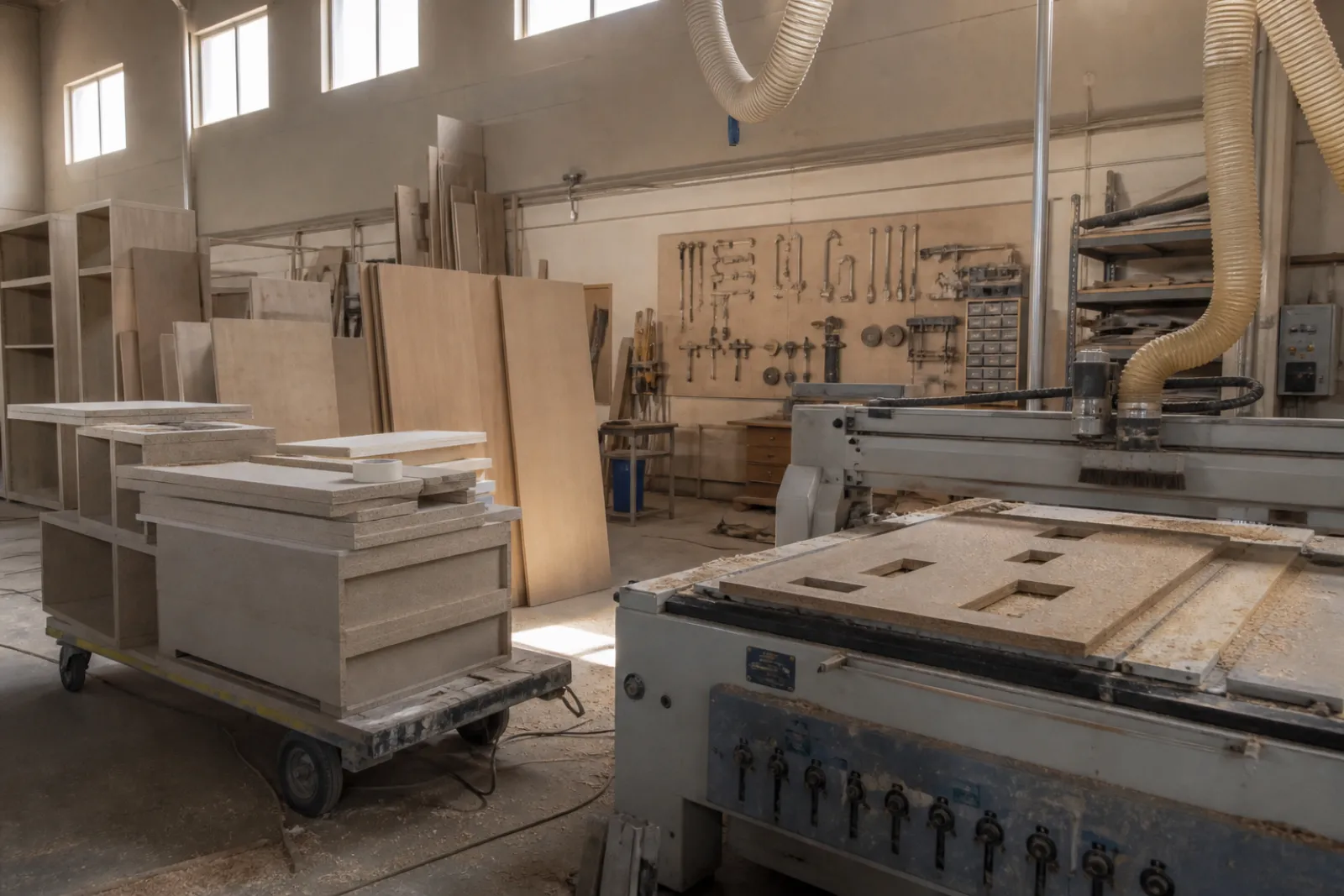
The institutional knowledge this model creates is difficult to replicate through subcontracting. Our craftsmen carry 25 or more years of joinery experience, including third-generation specialists who have worked through the full evolution of Dubai's authority approval system. They know the material supply chain, the documentation requirements of each regulatory body, and the specific fit-out rules that apply in communities such as Palm Jumeirah, Emirates Hills, and Dubai Hills. A rotating subcontractor, brought in at tender stage and replaced on the next project, simply does not accumulate that depth of working knowledge.
You can review the range and quality of projects we have delivered across Dubai to assess directly what in-house execution produces at scale. The difference between a fragmented subcontracted model and a unified in-house team is visible in the consistency of finish across trades, and in the absence of the delays, disputes, and rework costs that characterise projects where accountability is split from the start.
Handover Snagging: What to Check Before Signing Off in Dubai
Snagging is not a formality, and it is not optional. It is the formal process of identifying and documenting defects, incomplete works, and non-conformances before practical completion is declared and the final payment, including any retained sum, is released. Your leverage as a client is strongest at this precise moment. Once you sign the handover documents, your ability to compel rectification at no additional cost diminishes considerably, and any legal dispute will require documented evidence that defects existed prior to sign-off.
Structural and Finishing Checks
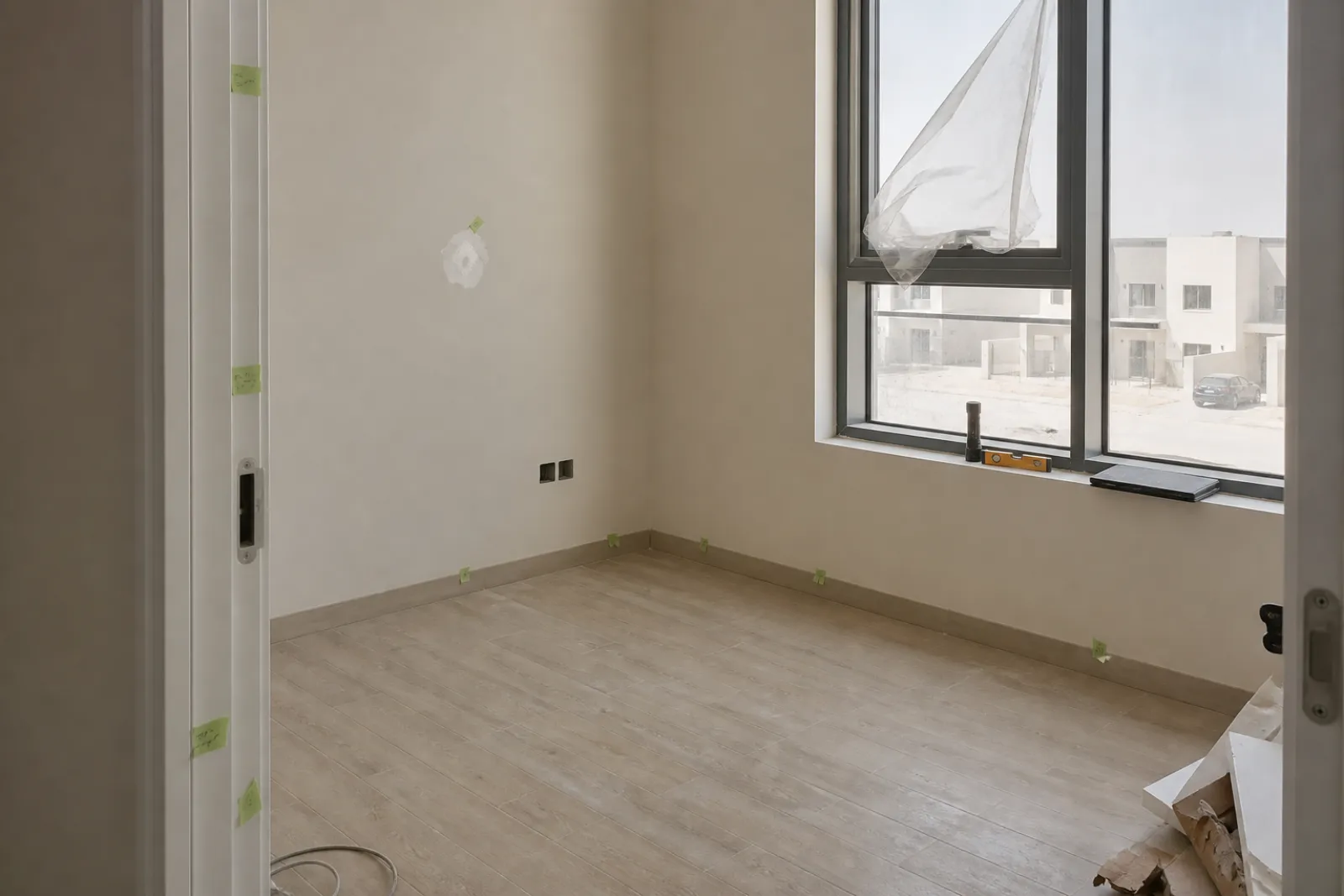
Work through the property systematically before accepting completion. Check wall and ceiling surfaces for plumb deviation, visible cracking, and paint uniformity; patches, brush marks, and sheen inconsistencies are all legitimate snag items. Inspect tile grout lines for consistency in width and colour, and test for lippage across tile joints, particularly on floors where the substrate preparation determines the result. Door and window frames must be checked for alignment, smooth operation, and correct clearance gaps. Joinery fitment tolerances matter equally: cabinet doors should sit flush, drawer runners should operate without resistance, and any bespoke joinery should be assessed against the specification drawings agreed at contract stage.
MEP Testing
Every socket and switch must be tested under load, not simply switched on. Walk each lighting circuit individually and confirm all dimmer or scene-setting sequences function correctly. Test water pressure at every outlet, confirm that hot and cold supplies are correctly segregated at all taps and shower valves, and check under-basin and under-sink areas for residual moisture or incomplete silicone sealing. Air-conditioning performance should be assessed by running each unit to its set point and verifying airflow direction and volume at each diffuser. If home automation has been installed, run every programmed sequence, including blinds, audio-visual, and climate control, before sign-off.
Authority Certificates
Before releasing retention, confirm that the DEWA energisation certificate has been issued and that any Dubai Municipality completion certificates required for the scope of works are in hand. These are legal documents, not administrative formalities. You will require them for re-mortgage applications, property resale, and insurance coverage. A contractor who cannot produce them has not formally completed the project, regardless of how the finished space looks.
Independent Inspection Before Retention Release
The recommended sequence is: practical completion notice issued, independent inspection carried out, written defects report delivered to the contractor, rectification window agreed, re-inspection to confirm close-out, and retention released only upon satisfactory completion. Commissioning an inspector who has no commercial relationship with the contractor carrying out the works is the most reliable way to produce a report that will hold up if the defects liability period needs to be invoked.
Our inspection team at Halo has completed 10,000+ property inspections across Dubai and provides a written defects report independent of the contractor carrying out the works. A structured photo-based report supports formal rectification requests and protects your position throughout the defects liability period, which is contractually set at 12 months in standard Dubai practice.
Pre-Contract Checklist: What to Verify Before You Sign
Everything covered in the preceding sections builds toward a single decision point: signing or walking away. Use this checklist as your final filter before committing any funds.
Licences and Regulatory Standing
- DED trade licence: Confirm it is current, unexpired, and specifically lists fit-out or renovation activities within its permitted scope
- Dubai Municipality approval: Verify the contractor holds DM-approved status and can submit permit applications directly, without routing through a third party
- DEWA certification: Required for any electrical or MEP scope; request the certification number and confirm it is active
Insurance and Legal Protections
- Professional indemnity insurance: Copies in hand before mobilisation, not after
- Contractor's All Risks (CAR) insurance: Covers on-site damage and injuries; non-negotiable regardless of project scale
- Developer NOC: Either received or formally committed to before work commences, particularly for gated communities and developer-managed buildings
Contract Documents
- Scope of works: Room-by-room breakdown, itemised BOQ, drawings package, explicit exclusions list, and a sequenced programme of works all present
- Payment schedule: Milestone-based, not calendar-based; advance capped at 30% of contract value
- Retention clause: 5 to 10% withheld for a minimum 12-month defects liability period
- Variation order protocol: Written VOs with agreed cost and time impact confirmed before any additional work proceeds
- Snagging process: Formally defined in the contract; completion certificate required before final payment is released
Execution and Track Record
- Labour model: Ask directly which trades will be executed by the contractor's own employees; undisclosed subcontracting creates accountability gaps
- Project portfolio: Request a verifiable portfolio with contactable references, not a curated social media feed
Our team at Halo Interiors is DM-approved, DEWA certified, and carries full professional indemnity and CAR insurance on every project. If you would like to review how we structure contracts before committing, contact our team for a free site visit or reach us directly on WhatsApp at +971 55 969 3009.
Frequently Asked Questions About Hiring a Renovation Contractor in Dubai
How do I check if a contractor is Dubai Municipality approved?
Search the contractor's trade licence number on the Dubai DED (Department of Economy and Tourism) portal and request their DM approval certificate directly. A DM-approved contractor can submit permit applications to Dubai Municipality without routing paperwork through a third-party consultant, which reduces both cost and processing time. If a contractor cannot produce this certificate on request, treat it as a disqualifying factor. We are DM approved and manage all permit submissions in-house as part of our authority approvals service in Dubai.
What is a reasonable payment structure for a Dubai renovation?
Standard practice begins with a mobilisation deposit of 10 to 20 percent, followed by milestone releases tied to structural completion, first fix, fit-out completion, and practical completion. A retention of 5 to 10 percent of the total contract value should be withheld for 12 months after handover to cover any defects that emerge from workmanship. Contractors who demand more than 30 percent upfront before any measurable work is complete present a contractual risk. A well-run contractor will have no objection to a milestone-based schedule because their cash flow is managed against deliverables, not dates.
Do I need a developer NOC for renovations in Dubai?
Yes. If your property sits within a master-planned community, including Palm Jumeirah, Emirates Hills, Dubai Hills Estate, Arabian Ranches, or Dubai Creek Harbour, you must obtain a no-objection certificate from the master developer before any works begin. Each developer operates its own NOC process, with varying requirements around façade changes, balcony enclosures, structural modifications, and even permitted working hours. Your contractor should manage this process as part of their authority approvals scope. Leaving it to the client significantly increases the risk of delays, because most developers require the contractor's documents, not just the owner's request.
What is a variation order and why does it matter?
A variation order is a written instruction that formally documents a change to the agreed scope of works. Any change, whether a material upgrade, an additional room, a layout alteration, or a specification substitution, must be captured as a VO with an agreed cost and a confirmed time impact before the work proceeds. Verbal approvals carry no contractual weight and are the most common source of post-project billing disputes in Dubai. A professional contractor will issue a VO proactively and will not proceed with out-of-scope work without a signed copy in hand. If a contractor is reluctant to formalise changes in writing, that reluctance should be treated as a serious warning.
How long should a renovation defects liability period last in Dubai?
Twelve months is the standard defects liability period in the UAE construction sector, set by contract rather than by statute. During this window, the retention amount, typically 5 to 10 percent of the total contract value, remains withheld. The contractor is obligated to return and rectify any defect arising from their workmanship at no additional charge. Structural defects are treated separately: under Article 880 of the UAE Civil Code, the contractor and supervising engineer carry a ten-year liability for defects threatening the building's stability or safety, and this cannot be contracted out. Do not release retention before a professional property inspection confirms that every item on the snag list has been resolved. A contractor who resists a formal snagging process at handover, or applies pressure to release retention early, is not operating to the standard that a regulated Dubai renovation project demands.
Work with a Dubai Renovation Contractor You Can Verify
Regulatory compliance, in-house execution, a detailed scope of works, and a structured payment contract are not optional precautions. They are the minimum standard for any Dubai renovation project that completes on time, on budget, and to a finish that passes a formal snagging inspection. Every section of this guide has pointed toward that conclusion, and the checklist that precedes it gives you the tools to hold any contractor to it.
We have been delivering renovation and fit-out projects in Dubai since 1996, across 1,200+ completed projects and 10,000+ property inspections. Our team is DM approved and DEWA certified, holds a 4.9 Google rating, and operates an in-house joinery factory spanning 15,000 sq ft in Al Quoz, staffed by 75 skilled carpenters and painters. Our in-house MEP engineers, structural engineers, draftsmen, and architects work under the same roof and on the same contract, not as subcontractors assembled per project. That structure is what allows us to stand behind both the design and the execution.